

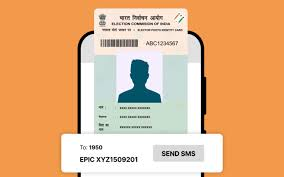
The 2002 voter list holds historical importance in many countries where elections were conducted during that period. Electoral rolls, also known as voter lists, are official records that include the names of eligible citizens who are allowed to vote in elections. These lists play a critical role in ensuring transparency, fairness, and credibility in democratic processes.
In this article, we will explore what the 2002 voter list is, why it is important, how you can check or download it, and the common uses of old voter records.
What is the 2002 Voter List?
The 2002 voter list refers to the electoral roll that was prepared and used for elections held around the year 2002. It includes details such as:
- Voter’s full name
- Father’s or spouse’s name
- Age or date of birth
- Address or constituency
- Voter identification number (if available)
These records were typically maintained by election authorities in each country and updated periodically before elections.
Importance of the 2002 Voter List
Although it is an old record, the 2002 voter list still holds value for several reasons.
Historical Reference
It helps researchers, historians, and analysts understand voter demographics and political participation at that time.
Legal and Documentation Use
Old voter lists can be used as supporting documents in legal cases, especially for identity or residency verification.
Genealogy and Family Records
People often use old electoral rolls to trace family members or confirm ancestral addresses.
Political Analysis
Political experts may study past voter lists to compare changes in population and voting patterns over time.
Who Maintains Voter Lists?
Voter lists are maintained by official election bodies in each country. For example:
- In Pakistan: Election Commission
- In India: Election Commission of India
- In the UK: Electoral Registration Office
These authorities are responsible for updating, verifying, and publishing voter data.
How to Check the 2002 Voter List
Finding a voter list from 2002 can be slightly challenging because many countries have digitized only recent records. However, there are still ways to access older data.
1. Visit Official Election Websites
Some election authorities provide archived electoral rolls on their official websites. You can search for “archived voter list 2002” along with your country name.
2. Contact Local Election Offices
Local government or election offices may have physical or digital records of old voter lists.
3. Check Government Archives
National or regional archives sometimes store historical electoral data.
4. Use Public Record Libraries
Libraries and research institutions may keep copies of old voter rolls.
How to Download the 2002 Voter List
If the voter list is available online, downloading it is simple.
Steps to Download:
- Go to the official election authority website
- Navigate to the “Electoral Roll” or “Archives” section
- Select the year (2002)
- Choose your district or constituency
- Download the file (usually in PDF format)
If the list is not available online, you may need to request it manually from the concerned office.
Information Included in the 2002 Voter List
The structure of voter lists may vary slightly by country, but most include:
- Serial number
- Voter name
- Relative’s name (father/spouse)
- Gender
- Age
- Address
- Constituency details
Some lists may also include polling station information.
Common Uses of Old Voter Lists
Even though the 2002 voter list is outdated for voting purposes, it still serves many practical uses.
Identity Verification
It can act as proof of residence or identity in certain situations.
Property Disputes
Old voter records may help establish ownership or residency in property-related cases.
Academic Research
Researchers use voter lists to study social and political trends.
Data Comparison
Comparing old and new voter lists helps understand population growth and migration.
Challenges in Accessing the 2002 Voter List
Limited Online Availability
Many countries have only digitized recent voter lists.
Data Privacy Restrictions
Some governments restrict access to older records for privacy reasons.
Incomplete Records
Older data may be missing or damaged.
Format Issues
Even if available, files may be in scanned or non-searchable formats.
Tips for Finding Old Electoral Records
- Use specific search terms (e.g., “2002 voter list [city name]”)
- Contact government departments directly
- Visit local municipal offices
- Check with legal professionals who handle documentation
Persistence is key when searching for older records.
Is the 2002 Voter List Still Valid?
No, the 2002 voter list is not valid for current voting. Electoral rolls are updated regularly to include new voters and remove outdated entries.
However, it can still be used for reference, research, or documentation purposes.
Privacy and Legal Considerations
When accessing voter lists, it is important to respect privacy laws. Voter data is sensitive and should not be misused.
Important Points:
- Use data only for legal purposes
- Do not share personal information publicly
- Follow local data protection regulations
Differences Between Old and Modern Voter Lists
Digital vs Manual Records
Older lists were often maintained manually, while modern lists are fully digital.
Accuracy
Modern systems are more accurate due to better verification methods.
Accessibility
Today’s voter lists are easier to access online compared to older ones.
Security
New systems include better data protection measures.
Why People Still Search for the 2002 Voter List
Despite being over two decades old, many people still search for the 2002 voter list. Common reasons include:
- Verifying family history
- Legal documentation
- Property disputes
- Academic research
- Personal curiosity
Conclusion
The 2002 voter list is an important historical document that reflects the electoral landscape of its time. While it is no longer used for voting, it remains valuable for research, legal purposes, and identity verification.
Accessing such old records may require effort, as they are not always available online. However, by checking official election websites, contacting local authorities, and exploring archives, you can still find the information you need.
Understanding voter lists also highlights the importance of accurate and updated electoral systems in maintaining fair and transparent elections.
