

Helicopter lessons offer much to most people and seem like a more exhilarating endeavor pulled right from the adventure book of life. Many individuals who see helicopters fly by probably wonder about how pilots fly or control this complicated machine. This post includes struggles, flight experiences, and the learning process of becoming proficient in helicopter flight. Anyone interested in flying may benefit from learning about the pathway, its prerequisites, and its dividends; this knowledge is especially helpful for aspiring pilots.
Understanding Helicopter Controls
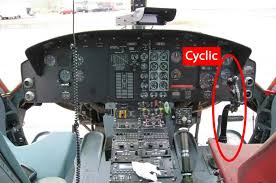
The helicopter is very different from the fixed-wing airplane regarding its controls. So, “How hard is it to learn to fly a helicopter?” The pilot must control the cyclic, collective, and anti-torque pedals together. Collective rudders modify the pitch of rotor blades to raise or lower them, while the cyclic pedals move the helicopter in varying directions. The anti-torque pedals control the yaw so that the nose remains pointed where it should. You must physically coordinate all these controls and mentally focus on them simultaneously.
Initial Training Experiences
Anyone starting their training typically struggles with their very first lessons since the controls are incredibly challenging. Any minor movement has a considerable impact on the aircraft’s performance. Most instructors will walk the student through very basic ground-hovering drills before trying forward flight. One of the trickiest skills for beginners is sustaining a stable hover. Through muscle memory, students get comfortable with these movements.
Building Coordination and Confidence
Mastering complex moves beyond basic hovering involves a long process of skill acquisition. As learners train, they become increasingly adept at performing these tasks simultaneously and predicting how the helicopter will respond. They pitch new practices and maneuvers like climbing, descending, and turning, taking the important steps to develop well-rounded piloting skills. Frequent feedback helps the students to overcome the mistakes and alter their approach accordingly. As one learns to handle the airplane better and more smoothly, confidence sets in over time.
Technical Knowledge and Ground School
Flight training consists of classroom or theoretical training in subjects such as aerodynamics, regulations, and weather. These topics are crucial for safe and effective piloting. They must learn about helicopter systems, emergency procedures, airspace regulations, and many other subjects. Written and oral examinations test how well students retain and apply information. Thorough preparation allows pilots to make educated choices while airborne.
Physical and Mental Demands
Flying helicopters requires physical coordination and mental acuity. These machines are highly sensitive to control inputs, so there isn’t much room for error. Managing stress, especially when unpredictable situations arise, is crucial. Mastering the skill of being calm and keeping a steady head under pressure is a critical factor for successful helicopter flying. Pilots can adjust to the physical and mental demands that practice presents them with.
Common Challenges and Solutions
It is common for many learners to over-correct or make jerky movements at first. Instructors emphasize the need for students to have a smooth, prepared input at the right time. Since fatigue can impair performance, maintaining optimal health is an encouragable lifestyle behavior. It is important to keep practicing even after making many mistakes. A positive attitude helps to maintain consistent progress during training.
Safety and Responsibility
Safety is always a priority during the flying aspect of the instruction. Schools train pilots for emergencies by preparing and executing simulations. When you follow these steps exactly as outlined, it helps prevent accidents and also reinforces beneficial habits. Students learn to consider the weather and craft maintenance. Making sound decisions is at the heart of a successful flying career.
The Rewards of Helicopter Mastery
Obtaining a helicopter pilot certificate is an accomplishment that can bring a sense of pride and fulfillment. You can now enjoy flights with a multifunctional aircraft that brings you unique flight experiences and career opportunities. The challenges and the special skill sets required to become a pilot provide a sense of satisfaction. Lifelong friendships and mentorships born in the aviation community further enrich the journey.
Conclusion
Becoming a helicopter pilot takes time, effort, and perseverance. It entails mastering intricate controls, embracing technical acumen, and honing finely tuned decision-making abilities. Every step has its challenges, but excellent rewards, too. People who dedicate themselves to the path gain these skills and a level of confidence that lasts a lifetime. Flying a chopper can create everlasting memories.
