

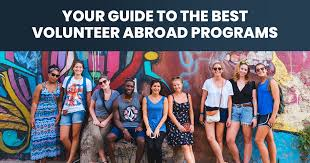
In today’s interconnected world, travel is no longer just about sightseeing and relaxation—it’s an opportunity to make a real impact while immersing yourself in a new culture. Volunteer Programs Abroad provide an unparalleled way to combine adventure with purpose, allowing travelers to contribute to global causes and build meaningful connections with communities across the world. These programs are designed not just for those seeking to explore new destinations, but for individuals who want to leave behind something positive and lasting. In this article, we delve into the powerful benefits of volunteering abroad and how it opens doors to lifelong relationships, transformative experiences, and professional growth.
How do volunteer programs abroad differ from traditional travel experiences?
The main difference between volunteer programs abroad and traditional travel is that volunteering focuses on purpose-driven travel. While tourism typically revolves around visiting famous landmarks or relaxing in idyllic locations, volunteer programs immerse you in the everyday life of the communities you’re serving. Instead of being a passive observer, you become an active participant, working alongside locals on projects that have a tangible impact.
In volunteer programs, you don’t just pass through a country—you live and engage with its people. Whether you’re teaching children in rural schools, helping with healthcare initiatives, or working on environmental projects, the experiences you gain through volunteering are deeply rooted in meaningful contribution. You leave behind not only your footprints but also a legacy of support and collaboration. This engagement helps forge connections that are far more enduring than those formed during a regular trip.
How do volunteer programs abroad foster meaningful global connections?
One of the greatest rewards of volunteering abroad is the opportunity to create lasting relationships with people from all corners of the globe. Volunteers typically work closely with local communities, forming connections that extend beyond the duration of their stay. These bonds are not limited to interactions with the local population but often include fellow volunteers from various countries and backgrounds.
By working together toward a common goal, volunteers and local community members share experiences that build trust, mutual respect, and understanding. These relationships break down cultural barriers and foster a sense of shared humanity. Volunteering creates a platform for people to learn from one another, exchange ideas, and grow together.
For example, when working on projects in education, volunteers often develop long-term friendships with local students and teachers. The same goes for volunteers working in healthcare, where strong professional bonds are formed with local medical practitioners. These connections don’t just benefit you during your time abroad but often lead to ongoing communication, collaboration, and a deeper understanding of global issues. Volunteers often return home inspired to continue supporting these communities, either through fundraising, advocacy, or further volunteer work.
What is the impact of volunteering abroad on personal development?
Volunteering abroad is a unique experience that often leads to profound personal growth. When you immerse yourself in a different culture, live in unfamiliar conditions, and face challenges that you might never encounter at home, you build resilience, adaptability, and self-awareness.
Volunteers frequently report increased self-confidence after their time abroad. The challenges they face—whether they involve learning a new language, navigating cultural differences, or dealing with unexpected difficulties—push them to become more resourceful and independent. These experiences cultivate a sense of accomplishment and help volunteers discover strengths they may not have known they had.
Volunteering abroad also encourages a greater sense of empathy and global awareness. As you work on projects that aim to improve the lives of others, you gain an appreciation for the challenges people face in different parts of the world. This experience broadens your worldview, making you more attuned to global issues such as poverty, inequality, and sustainability. Volunteers often return home with a newfound sense of responsibility and a desire to continue making a positive difference.
How does volunteering abroad enhance professional skills?
In addition to personal growth, volunteering abroad is a powerful tool for professional development. Many volunteer programs focus on skills that are directly transferable to the workplace, such as project management, teamwork, communication, and leadership.
Volunteering abroad offers a hands-on approach to learning, which is especially valuable for individuals seeking to expand their expertise in areas like education, healthcare, environmental conservation, and social work. For example, a volunteer working in a school may gain teaching experience, improve their ability to adapt to diverse learning needs, and enhance their classroom management skills. Similarly, volunteers in healthcare programs might gain direct experience in medical care, public health education, or emergency response.
Moreover, working in an international context provides unique opportunities to develop cross-cultural communication skills. These skills are becoming increasingly important in today’s globalized workforce. The ability to work with people from diverse cultural backgrounds and manage projects across different time zones and locations is a valuable asset in any career.
Volunteer programs abroad also allow you to gain valuable networking opportunities. Volunteers often interact with local organizations, non-profits, and international NGOs, which can open doors for future internships, job opportunities, or collaborations. The skills you gain and the connections you make can enhance your career prospects and give you a competitive edge in the job market.
What are the community benefits of volunteering abroad?
The impact of volunteer programs abroad extends far beyond the volunteers themselves—it also benefits the communities in which they work. Volunteers play an essential role in supporting local development efforts by contributing their time, skills, and resources to projects that address critical needs.
For example, in educational programs, volunteers may teach or assist in classrooms, improving the quality of education and offering local children new opportunities for their future. In healthcare, volunteers may provide vital medical services or public health education to communities that have limited access to healthcare professionals. Similarly, in environmental conservation programs, volunteers may help protect ecosystems, conserve natural resources, or support sustainable farming practices.
The involvement of volunteers also often helps to raise awareness about the challenges faced by local communities. By engaging with these communities directly, volunteers gain insights that they can share when they return home, educating others about global issues and promoting social change. Volunteers contribute to a sense of solidarity, showing that people around the world care about the well-being of others and are willing to take action to help.
However, it’s important to note that the most successful volunteer programs prioritize long-term collaboration with local organizations and communities. Sustainable development should be the ultimate goal, ensuring that the work done by volunteers leads to lasting positive change. This approach encourages local ownership of the projects and ensures that communities are empowered to continue their development even after volunteers leave.
How do volunteer programs abroad promote global awareness and citizenship?
Volunteering abroad is a powerful way to develop a sense of global citizenship. By working in different countries and interacting with people from various backgrounds, volunteers develop a deeper understanding of the world’s most pressing issues. This firsthand exposure to global challenges, such as poverty, education inequality, and climate change, can inspire volunteers to become lifelong advocates for change.
Many volunteers return home with a renewed sense of responsibility, not only toward the community they worked with but also toward global causes. Volunteering abroad fosters a sense of interconnectedness, as volunteers realize that the issues facing one part of the world are interconnected with those affecting other regions. This expanded perspective often leads to a commitment to social responsibility and a desire to support sustainable development efforts worldwide.
Moreover, volunteers often become ambassadors for the communities they worked in. They share their experiences with friends, family, and colleagues, raising awareness about the challenges faced by underserved populations and inspiring others to get involved. This ripple effect helps to spread the message of global solidarity and encourages others to make a positive difference.
How do you choose the right volunteer program abroad?
Choosing the right volunteer program abroad is a crucial part of ensuring that your experience is both meaningful and impactful. First and foremost, it’s important to identify your own interests, skills, and values. Are you passionate about education, healthcare, or environmental sustainability? What skills do you want to develop, and how can you use your existing skills to benefit others?
Additionally, research the organizations running the volunteer programs. Look for programs that prioritize sustainable development, work in partnership with local communities, and provide the necessary support and training for volunteers. It’s also essential to consider the program’s duration, cost, and the level of cultural immersion involved. The right program will align with both your personal goals and the needs of the community you will be working with.
Conclusion
Volunteer programs abroad offer more than just an opportunity to travel—they provide the chance to engage with different cultures, contribute to important causes, and form lasting connections with people from all over the world. These programs combine purposeful travel with real-world impact, creating transformative experiences that benefit both volunteers and the communities they serve.
By volunteering abroad, you not only gain personal and professional growth but also contribute to the global movement for social change. The relationships you build, the skills you develop, and the understanding you gain from working in diverse communities will shape your worldview and inspire you to continue making a difference. Volunteering abroad is a journey of learning, growth, and lasting global connections, offering experiences that will enrich your life and the lives of others for years to come.
