

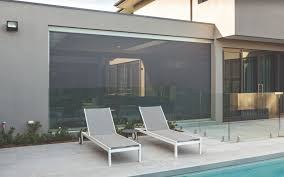
Imagine sitting on your patio during a summer breeze, without the sun beating down or wind whipping your face. That’s the promise of Zipscreen blinds. These smart shades lock in comfort for homes and businesses alike.
They stand out with strong wind resistance and clean looks. You can use them outside on decks or inside for room dividers. This guide covers everything from picking the right one to keeping it in top shape. Whether you’re a homeowner adding shade to your backyard or a business owner shading big windows, you’ll find tips here to make smart choices.
Section 1: Understanding Zipscreen Technology and Core Benefits
What Makes Zipscreen Blinds Unique?
Zipscreen blinds use a special track system that holds the fabric tight. A zipper-like edge on the screen fits into side channels. This keeps it from flapping loose, unlike old roller shades that sag in the wind.
The setup often includes cables or tracks that guide the fabric up and down. You pull it smooth every time, no wrinkles or gaps. It’s like a tent that stays put, even on gusty days.
This design boosts the whole system’s strength. Homeowners love how it handles daily use without wear. For tough spots, like coastal areas, it holds up better than basic options.
Superior Durability and Weather Resistance
Wind-resistant outdoor blinds like Zipscreens can take winds up to 50 mph without damage. The tight fabric spreads out force evenly, so it lasts longer. Loose screens tear fast in storms; these don’t.
UV rays fade colors on cheap shades, but Zipscreen materials resist that. They shrug off rain, salt from ocean air, and even light snow. Tests show they keep shape after years of exposure.
Think of it as armor for your windows. In hot spots, they cut heat by 70%, based on fabric choice. That means less air conditioning and lower bills.
Aesthetic Integration and Modern Design Appeal
Zipscreen blinds fit right into sleek homes with their slim lines. The cassette that houses the roller comes in full or half styles to hide hardware. It looks built-in, not added on.
You pick from dozens of frame colors, like matte black or soft gray. Fabrics match too, from neutrals to bold hues. Pair a white frame with beige mesh for a beachy vibe.
They blend with glass doors or metal siding. No clunky bars to spoil the view. Architects pick them for clean, modern facades that turn heads.
Section 2: Selecting the Perfect Zipscreen Fabric and Material
Fabric Opacity and Light Control Categories
Zipscreen fabrics come in openness levels from 1% to 10%. A 1% openness blocks most light, great for movie nights in a media room. It softens glare without dark caves.
At 5% or 10%, you keep your view of the garden while cutting heat. On a sunny patio, 3% openness lets in breezes but stops harsh rays. Pick based on your spot—darker for bedrooms, lighter for living areas.
- 1-3% openness: Best for full shade and privacy, like home offices facing west.
- 5% openness: Balances light and view, ideal for dining patios.
- 10% openness: Maximum airflow with some sun block, perfect for pool sides.
This choice shapes how comfy your space feels year-round.
Material Composition and Performance Features
Most Zipscreen fabrics use PVC-coated polyester or fine fiberglass mesh. These stand up to pulls and pushes without fraying. Polyester options often rate high for fire safety, meeting codes for indoor use.
Mold won’t grow on treated meshes, key for humid spots like Florida porches. Some fabrics block 95% of UV rays, protecting furniture from fade. Fiberglass adds strength for big installs.
You get options with anti-static coatings to repel dust. That cuts cleaning time. For outdoors, pick ones tested for 10,000 cycles of up and down.
Customization: Color, Texture, and Hardware Finishes
Go beyond plain gray—fabrics offer smooth or textured weaves in earth tones or vibrant reds. A subtle stripe adds pattern without overwhelming. Hardware like the bottom bar gets powder-coated in colors to match your door frames.
Aluminum frames resist rust in wet climates. Choose glossy for urban lofts or matte for rustic decks. Mix a bronze bar with green fabric for a woodsy look.
This personalization makes Zipscreens part of your style. No one-size-fits-all here. Tailor it to blend or stand out, as you like.
Section 3: Optimal Applications: Where Zipscreen Blinds Excel
Transforming Outdoor Entertaining Areas (Patios and Decks)
Patio screen solutions with Zipscreens turn open decks into cozy spots. Roll them down for shade during barbecues, keeping bugs at bay too. In rain, they shelter guests without closing doors.
Picture a family dinner under stars, wind blocked but air flowing. They create “rooms” outside, usable from spring to fall. One homeowner added them to a 20-foot deck and gained 30% more lounging time.
Install them on pergolas or standalone posts. Easy to match with string lights for evening fun. Your backyard becomes a true extension of home.
Protecting Large Glazing and Commercial Facades
Commercial solar shading via Zipscreens works on huge glass walls in cafes or offices. They cut solar heat by up to 80%, easing AC strain. Restaurants save on energy while patrons enjoy views.
Big panels span 15 feet wide without sagging. In a hotel lobby, they filter light for a soft glow. Owners report 20% drops in cooling costs after install.
For facades, they add privacy without curtains. Glass stays clean longer, as shades block direct sun. Businesses pick them for green building points.
Internal Applications: Room Dividers and Glare Management
Inside, Zipscreens split open kitchens from living rooms with style. The fabric lets sound through but defines spaces. No need for heavy walls.
On south-facing windows, they tame afternoon sun without dark rooms. A 5% openness keeps the desk lit for work but stops squinting. Families use them in sunrooms to read comfortably.
They mount on ceilings for a floating effect. Easy to retract when you want full light. This versatility suits modern homes with big, open layouts.
Section 4: Operation, Automation, and Smart Home Integration
Manual vs. Automated Operation Systems
Manual Zipscreens use a crank or chain for simple pulls. You control height with a quick turn, no fuss. It’s cheap and reliable for small areas.
Motorized ones run on quiet tubular motors with button remotes. Push once to lower fully or stop midway. Great for high installs you can’t reach.
- Crank operation: Hands-on fun, lasts years with light use.
- Chain pull: Smooth for side mounts, like on doors.
- Motorized: Effortless, perfect for daily routines.
Pick manual for budgets, automated for ease.
Integrating Zipscreens with Smart Home Ecosystems
Link motors to systems like Somfy or Control4 for voice commands. Say “Alexa, shade the patio,” and it drops. Apps let you check from your phone on vacation.
Set schedules—lower at noon in summer, raise for winter sun. This saves energy by 15-20% on heating or cooling. One tip: Time them to your local sun path for best results.
Security boosts too; program random moves to deter break-ins. It ties into lights and thermostats seamlessly. Your home gets smarter with each add.
Safety Features and Motorized Control Best Practices
Wind sensors auto-retract blinds in gusts over 25 mph. This saves the fabric from snaps. Motors have overload protection to stop jams.
Keep remotes away from kids to avoid tugs. Test sensors monthly for peace of mind. Use low-voltage options for safer wiring.
Batteries last a year; recharge often for smooth runs. These steps keep your setup safe and long-lasting.
Section 5: Installation, Maintenance, and Longevity
Factors Influencing Successful Zipscreen Installation
Pros handle Zipscreen installs for perfect channel alignment. Off by an inch, and fabric binds. They check your wall or beam first.
Mount on wood with screws, masonry with anchors. For big motorized units, confirm the structure holds 100 pounds. Tip: Get a pro to measure twice before cutting tracks.
Outdoor spots need weather seals to block drafts. Inside, they fit tight to frames. Right setup means years of trouble-free use.
Routine Care for Maintaining Fabric Tautness and Cleanliness
Brush off dust weekly with a soft tool to keep tracks clear. For meshes, hose lightly with water—no soap unless dirty. Dry fully to avoid spots.
Tight fabric stays that way with gentle pulls. Avoid yanking; let motors do the work. Clean bottom bars to prevent dirt buildup.
Yearly, pros inspect for wear. This keeps your Zipscreen looking new. Simple habits extend life to 15 years.
Troubleshooting Common Issues and Warranty Overview
If fabric wanders off track, realign channels with a level. Loose screws? Tighten them fast. For motor skips, check batteries first.
Most brands offer 5-year warranties on fabrics and 3 on motors. Covers defects, not misuse. Keep records for claims.
Quick fixes save hassle. Call pros for big problems. Solid coverage gives confidence in your buy.
Conclusion: The Future of View Preservation and Climate Control
Zipscreen blinds shine with top wind resistance, clean designs, and smart controls. They shield from sun and storms while keeping views open. Energy savings and extra outdoor time make them a smart pick.
You get lasting value from durable parts and easy care. For homes or offices, they boost comfort without compromise. Invest in Zipscreens today—your shaded spaces await. Ready to upgrade? Contact a local installer and see the difference.
