

Every time you go online, you leave a trail of data behind you. Search history, shopping behaviour, location data, financial transactions the moment you connect to the internet, your information is being collected, processed, and in many cases sold. Most people are aware of this in a vague way, but few understand the full picture. That’s exactly the gap that privacyforkorea.com exists to fill: a dedicated online security site providing practical, accessible guidance on protecting your personal information online.
How Your Personal Data Gets Exposed
A common misconception is that only high-profile individuals or businesses are worth targeting. In reality, personal data from ordinary users is extraordinarily valuable in aggregate, and individually. Here are the most common ways it gets exposed:
Internet Service Provider (ISP) data collection Your ISP can see which websites you visit, how long you spend on them, and when you’re active. In some countries, this data can be shared with government bodies or used for commercial purposes. Most users have no idea this is happening in the background.
Public Wi-Fi risks Free Wi-Fi at cafés, airports, and hotels is convenient but often poorly secured. A malicious user on the same network can potentially intercept your traffic including login credentials, messages, and payment information. This is one of the most common vectors for opportunistic data theft.
Phishing and social engineering Fraudulent emails and text messages designed to look like legitimate communications remain one of the most effective attack methods in use. They direct victims to fake websites where credentials are harvested. These attacks have become increasingly sophisticated and harder to spot at a glance.
Data brokers Hundreds of companies operate in the shadows of the internet, collecting behavioural data and selling it to third parties. This data influences everything from the ads you see to your insurance premiums and credit assessments often without your knowledge or meaningful consent.
Practical Steps to Protect Your Privacy Online
The good news is that protecting your online privacy doesn’t require technical expertise. Here are the most impactful habits to adopt:
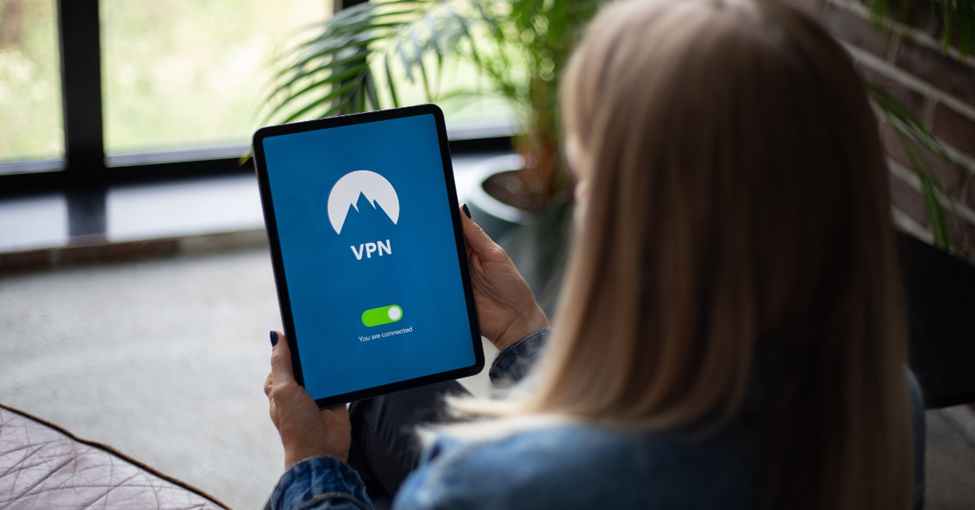
Use a VPN A VPN encrypts your internet connection and hides your real IP address, making it much harder for ISPs, advertisers, and potential attackers to track your activity. It’s especially valuable on public Wi-Fi. Choosing a reputable, verified service is key not all VPNs are equal.
Use strong, unique passwords and a password manager Reusing the same password across multiple services is one of the most common and dangerous habits online. A password manager generates and stores unique, complex passwords for every account, so you only need to remember one master password.
Keep software updated The majority of successful cyberattacks exploit known vulnerabilities in outdated software. Keeping your operating system, browser, and apps up to date closes these doors before they can be used against you.
Limit app permissions Many smartphone apps request access to your location, camera, contacts, and microphone by default. Review which permissions each app actually needs and revoke anything that isn’t necessary for the app’s core function.
Be cautious with links and attachments Develop the habit of going directly to a website rather than clicking links in emails or messages. If something looks suspicious even from a known contact verify through another channel before acting.
Why a Dedicated Internet Privacy Blog Matters
There’s no shortage of generic cybersecurity advice online. What’s harder to find is guidance that’s practical, current, and focused on the specific concerns of everyday users rather than enterprise IT teams. An internet protection blog dedicated to online security provides exactly that breaking down complex topics into actionable steps, reviewing the tools that actually make a difference, and keeping pace with an evolving threat landscape.
Privacy isn’t a one-time fix. It’s an ongoing practice, and having a reliable resource makes it considerably easier to stay informed and stay protected.
Final Thoughts
Perfect anonymity online doesn’t exist. But with the right tools and habits, you can dramatically reduce your exposure and take meaningful control of your digital footprint. Whether you’re just starting to think about online security or looking to tighten up an existing setup, understanding the basics of where your data goes and how to protect it is one of the most valuable investments you can make in 2025.
