

The arena lights dim as two teams face off in a championship final worth millions. Cameras sweep across the players’ desks, and something striking stands out: nearly every competitor is wielding a wireless mouse, gliding it freely across an oversized pad with no cable drag in sight. Wireless keyboards sit cleanly beside them, their compact frames uncluttered by cords. Just five years ago, this scene would have been unthinkable. Wired peripherals were gospel in competitive gaming, and anyone suggesting a wireless setup for tournament play would have been laughed off stage. Yet here we are—wireless gaming keyboards and mice have not only earned a seat at the esports table, they now dominate it. The reasons behind this dramatic shift go far beyond convenience. Technological breakthroughs have systematically dismantled every argument against wireless gear, from latency concerns to sensor reliability and battery anxiety. Today’s wireless peripherals deliver performance that matches or surpasses their wired predecessors while offering freedom of movement that fundamentally changes how pros compete. This article explores exactly how wireless gaming gear conquered the skeptics, examining the sensor innovations, ergonomic advancements, and latency solutions that make it the clear choice for esports professionals seeking every possible competitive edge.
The Evolution of Wireless Gaming Gear: Shattering the Wired Paradigm
For decades, wired peripherals were the undisputed standard in competitive gaming. The logic was simple: a direct physical connection meant zero signal interference, consistent power delivery, and the lowest possible input delay. Early wireless mice from the mid-2000s reinforced every skeptic’s fears—they were heavy, plagued by noticeable lag, prone to signal dropouts, and required constant battery swaps that could derail a practice session or, worse, a live match. No serious esports professional would risk their career on technology that unreliable.
The turning point arrived when major peripheral manufacturers began pouring R&D resources into purpose-built wireless gaming gear. Breakthroughs emerged on multiple fronts simultaneously. Lithium-polymer batteries shrank in size while delivering dramatically longer life, eliminating the bulk that once made wireless mice feel like bricks. Proprietary 2.4GHz wireless protocols replaced generic Bluetooth connections, achieving transmission speeds that rivaled and eventually matched the responsiveness of a USB cable. Lightweight materials like carbon fiber composites and advanced polymers allowed engineers to offset the weight of internal batteries entirely, producing wireless mice lighter than many wired models. These innovations didn’t happen overnight, but by the early 2020s, the gaming keyboard and mouse wireless category had reached a critical threshold: performance parity with wired alternatives. Once that barrier fell, adoption among esports professionals accelerated rapidly, and the wired paradigm that had governed competitive play for over two decades began its irreversible decline.
Sensor Superiority: Ending Spin-Out for Flawless Performance
Sensor spin-out occurs when a mouse’s optical sensor loses tracking during rapid, sweeping movements—the cursor freezes or jumps erratically at the worst possible moment. In competitive play, where a single flick shot or 180-degree turn can decide a round, spin-out is catastrophic. It was once the most damning argument against wireless mice: early wireless sensors simply couldn’t keep up with the violent, high-speed swipes that define professional FPS gameplay. That era is definitively over. Modern wireless high-performance mice now house optical sensors capable of tracking at speeds exceeding 750 inches per second with zero smoothing or acceleration artifacts. These sensors maintain pixel-perfect accuracy whether a player nudges the mouse a fraction of a millimeter for a micro-adjustment or whips it across the full length of a pad during a panic flick. Polling rates have climbed to 4000Hz on flagship wireless models, meaning the mouse reports its position to the PC four thousand times per second—four times faster than the 1000Hz standard that wired mice held for years. When esports professionals evaluate a wireless mouse, they focus on three sensor specs: native DPI range for flexibility across game genres, maximum tracking speed to guarantee spin-out immunity, and polling rate for the smoothest possible cursor path between frames.
Key Sensor Technologies in Wireless Mice
The sensor landscape is dominated by a handful of manufacturers whose chips power nearly every top-tier wireless mouse on the market. PixArt’s flagship sensors, found in models from Logitech, Razer, and numerous other brands, set the benchmark for tracking precision and power efficiency—a critical factor when the sensor must run on battery. Razer’s proprietary Focus Pro sensor pushes the envelope further with features like asymmetric cut-off calibration, letting players set different lift-off and landing distances for granular control. Logitech’s HERO line, co-developed with PixArt, emphasizes ultra-low power draw without sacrificing tracking fidelity, enabling mice that last hundreds of hours on a single charge while maintaining flawless accuracy. Newer entrants like ATK Gear have also contributed to this competitive landscape, pushing established players to innovate faster. Professional players consistently praise these implementations because they deliver identical or superior performance to any wired sensor available, proving that wireless technology no longer demands compromise at the highest level of competition.
Ergonomic Design Mastery: Accommodating Every Grip Style
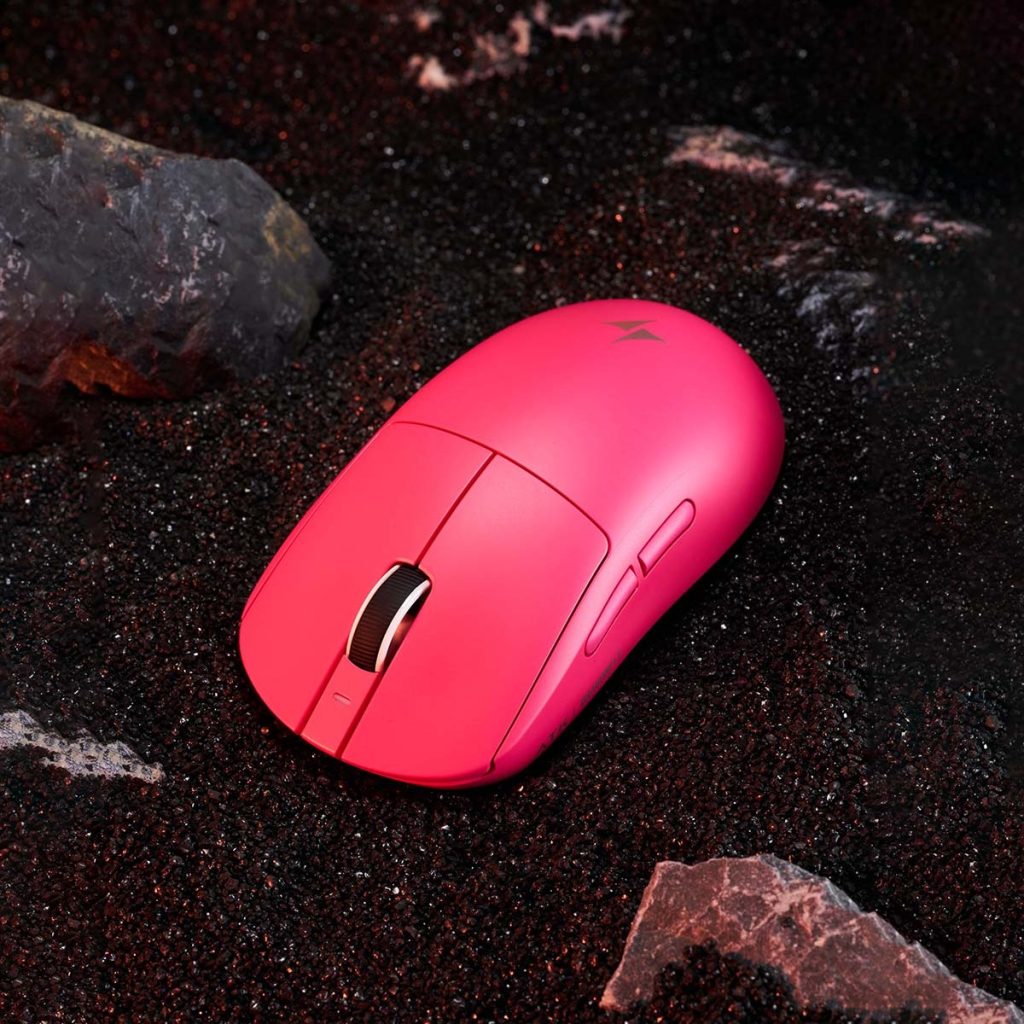
Competitive gamers don’t all hold a mouse the same way, and mouse design has evolved to respect that reality. Palm grip users rest their entire hand flat across the shell, demanding a larger, contoured body that supports the wrist during extended sessions. Claw grip players arch their fingers and contact the mouse with fingertips and the base of their palm, requiring a shorter hump and pronounced side curves for control. Fingertip grip users barely touch the mouse at all, relying on the tips of their fingers to make rapid micro-movements, which means they need an ultra-light, low-profile shape they can reposition effortlessly. Wireless technology has supercharged innovation in all three categories because removing the cable eliminates a major design constraint—engineers no longer need to route a cord through the front of the shell or account for cable drag pulling against specific grip angles. The result is a generation of wireless mice with symmetrical and asymmetrical shapes optimized purely around hand anatomy. Professionals selecting a mouse should measure their hand length and width, then test each grip style with candidate mice during extended aim-training sessions rather than relying on a brief in-store feel. A mouse that feels comfortable in the first minute may cause fatigue after four hours of tournament play, so extended testing is essential.
Wireless Keyboards: Form Factor and Switch Options
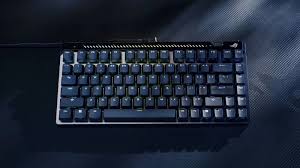
The ergonomic conversation extends beyond mice. Wireless keyboards built for esports overwhelmingly favor compact layouts—65% and 75% form factors strip away the number pad and function row, freeing up desk space so players can position their mouse arm at a wider, more natural angle. This extra room directly reduces shoulder strain during marathon practice blocks. Switch selection matters equally: linear switches with light actuation forces allow rapid key presses without bottoming out, while tactile variants give players a subtle bump of feedback that helps prevent accidental double-taps on movement keys. Hot-swappable switch sockets, now common on wireless boards, let competitors experiment with different switch weights and travel distances until they find the combination that minimizes finger fatigue while maximizing input speed. The absence of a cable also means players can angle or tilt their keyboard freely—many pros play with their board rotated significantly—without fighting cord tension or snagging on desk edges.
The Competitive Advantage: Latency, Reliability, and Freedom
The most persistent myth surrounding wireless gaming peripherals—that they introduce unacceptable input lag—has been thoroughly dismantled by engineering data and real-world tournament results. Leading wireless mice now achieve end-to-end latency of under one millisecond via proprietary 2.4GHz dongles, a figure that is functionally indistinguishable from a direct USB connection and, in some tested scenarios, actually faster than certain wired models burdened by outdated USB controllers. Independent testing labs have confirmed these numbers repeatedly, measuring click-to-screen response times frame by frame and finding no meaningful difference between top wireless and wired peripherals. This latency parity is the single biggest reason esports organizations have embraced wireless across rosters. Reliability reinforces that trust. Proprietary 2.4GHz protocols operate on dedicated frequency channels with adaptive hopping algorithms that dodge interference from Wi-Fi routers, Bluetooth devices, and the dense radio environments of packed arenas. Unlike generic Bluetooth, which shares bandwidth and introduces variable delay, these purpose-built connections maintain rock-solid stability even when dozens of wireless setups operate side by side on a tournament stage. Beyond raw numbers, the competitive advantage of going wireless manifests physically. Without a cable tugging against flick motions or catching on mousepad edges, players experience consistent, unimpeded glide in every direction. This freedom translates to smoother tracking, faster target acquisition, and more relaxed arm positioning. Tournament setups also benefit—players can arrange their peripherals at any angle without managing cable routing, reducing stage setup time and eliminating a common source of distraction before critical matches.
Practical Solutions: Building Your Wireless Esports Arsenal
Transitioning to a fully wireless esports setup requires a methodical approach rather than impulse purchases. Start with the mouse, since it’s the peripheral that most directly impacts aim and in-game performance. Prioritize sensor quality first—look for optical sensors with native tracking speeds above 400 IPS and polling rates of 2000Hz or higher, as these specs guarantee spin-out immunity during the fastest flick shots. Next, evaluate ergonomic fit by identifying your grip style and matching it to a shell shape that supports your hand dimensions. Order two or three candidates from brands like ATK Gear, Logitech, or Razer and spend at least a week with each during dedicated aim-training sessions before committing. Battery life should exceed 60 hours of continuous use at your preferred polling rate so you never face a mid-tournament power crisis, though keeping a charging cable nearby as backup is smart practice.
For your wireless keyboard, choose a compact form factor—65% or 75%—that maximizes mouse space on your desk. Test linear and tactile switches to determine which feel reduces finger fatigue across eight-hour practice days, and opt for a board with hot-swappable sockets so you can refine your choice over time without replacing the entire unit. Software matters too: configure your gaming gear through the manufacturer’s app to set custom DPI stages, key bindings, and lighting profiles, then save those profiles to onboard memory so your settings travel with you to any tournament PC. Maintain your high-performance mice by cleaning sensor lenses weekly with compressed air and replacing mouse feet before they wear thin enough to affect glide consistency. Finally, always update firmware before major competitions—manufacturers frequently push optimizations that improve connection stability and mouse design responsiveness. A disciplined selection and maintenance routine transforms wireless peripherals from consumer products into precision competitive instruments.
The Wireless Revolution Has Already Won Esports
The dominance of wireless gaming keyboards and mice in esports is no longer a trend—it’s the established standard, built on a foundation of solved problems that once made wireless gear unthinkable for competition. Sensor technology has advanced to the point where spin-out is a relic of the past, with modern optical sensors tracking at speeds and polling rates that surpass what wired mice offered just a few years ago. Ergonomic design has flourished without the constraint of cables, producing mice shaped precisely for every grip style and keyboards compact enough to give players the desk freedom their arms demand during grueling matches. The latency myth has been buried by engineering reality: proprietary 2.4GHz connections deliver sub-millisecond response times that are functionally identical to—and sometimes faster than—a wired USB link, even in the interference-heavy environments of packed tournament venues. For esports professionals, these advancements translate directly into tangible competitive advantages: smoother aim, reduced physical fatigue, faster stage setups, and the confidence that their gaming gear will perform flawlessly when everything is on the line. The wireless revolution isn’t approaching—it has already won. The future of competitive gaming is unequivocally cord-free, and every player still tethered to a cable is competing with one hand tied behind their back.
