

The Pokemon GK (Garage Kit) figure market has exploded in recent years, with rare collectibles commanding thousands of dollars and new releases selling out within hours. For collectors tracking their wishlists, resellers monitoring profit margins, and developers building price-comparison platforms, access to accurate and timely data is everything. Yet gathering this information from scattered online marketplaces, auction sites, and retailer pages presents a significant challenge. How do you efficiently collect pricing trends, availability updates, and product details across dozens of sources without losing your mind?
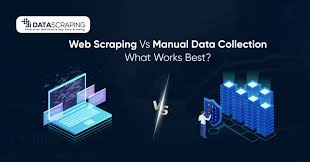
This question brings us to a fundamental debate in the world of web data collection: should you rely on automated data scraping tools, or is manual extraction sufficient? The answer depends heavily on your goals, technical skill level, and the scale of your project. In this article, we’ll compare these two approaches head-to-head, examining their strengths and weaknesses specifically in the context of Pokemon GK Figure data. We’ll pay special attention to solutions for developers who need reliable scraping software that integrates seamlessly into their applications, covering everything from basic web data scraping concepts to practical implementation strategies.
The Value of Pokemon GK Figure Data and Web Data Scraping
Pokemon GK figure data encompasses a wide range of information that drives purchasing decisions and market intelligence. At its core, this data includes product specifications like sculptor names, scale sizes, edition limits, and material compositions. Beyond basic details, it extends to dynamic information such as real-time pricing across marketplaces, historical price trends, availability status, pre-order windows, and aftermarket resale values. Release schedules from studios like MFC, Unique Art, and PC House add another critical layer, as limited production runs mean that timing is everything in this market.

This web data serves multiple stakeholders in meaningful ways. Market analysts use pricing trends to forecast which figures will appreciate in value. Resellers depend on cross-platform price comparisons to identify arbitrage opportunities. Fan communities aggregate release calendars and review databases to help collectors make informed decisions. For e-commerce platforms, structured product data feeds inventory systems and powers recommendation engines that connect buyers with figures they’re likely to want.
Web data scraping provides the mechanism to collect all of this information at scale. Rather than visiting individual product pages one by one, scraping automates the extraction of structured data from websites, transforming unorganized HTML into clean, usable datasets. In modern data-driven applications, scraping acts as the foundational data pipeline—feeding dashboards, alerting systems, and machine learning models that predict market movements. Without reliable web data scraping, building any serious application around the Pokemon GK figure ecosystem would require unsustainable manual effort.
What is Pokemon GK Figure Data?
The key data points that define Pokemon GK figure information fall into three categories. Product details include the figure’s character, studio or manufacturer, sculptor, scale, materials, edition size, and release date. Pricing trends cover the original retail price, current marketplace listings, completed sale prices, and price fluctuations over time across platforms like eBay, MFC Marketplace, and regional stores. Availability status tracks whether a figure is in pre-order, in stock, sold out, or available only on the secondary market—information that changes frequently and demands regular monitoring.
Why Scrape This Data?
For developers, scraped data powers APIs and backend services that serve collector apps, price-tracking tools, and notification systems. Collectors benefit from aggregated wishlists that automatically alert them when a desired figure drops below a target price or becomes available again. E-commerce integration allows resellers to sync inventory across multiple platforms, automatically adjusting prices based on market conditions. The common thread is that all these applications require fresh, accurate data delivered programmatically—something only systematic web data scraping can provide at the speed and scale the market demands.
Manual Scraping Methods: Pros, Cons, and Steps
Manual scraping refers to the straightforward process of visiting websites, visually identifying relevant data, and copying it into a local document or spreadsheet by hand. For someone tracking just a handful of Pokemon GK figures, this approach requires no technical knowledge, no software installation, and zero financial investment. If you need to check the price of a specific Unique Art Mewtwo statue on three marketplaces once a week, opening browser tabs and recording numbers in a Google Sheet works perfectly fine.
However, the limitations become apparent quickly as scope increases. Manual extraction is inherently slow—copying product names, prices, edition sizes, and availability from even twenty listings can consume an hour or more. Human error compounds with volume; a mistyped price or overlooked listing skews your dataset. There’s no way to schedule automatic updates, meaning data grows stale between manual sessions. For anyone monitoring more than a few dozen figures across multiple platforms, the approach simply doesn’t scale. The repetitive nature of the work also introduces fatigue-based mistakes that accumulate over time, degrading the reliability of your entire dataset.
Step-by-Step Guide to Manual Scraping
Start by identifying your target sources—marketplace sites like eBay, specialized stores such as OrzGK, community forums, and auction platforms where Pokemon GK figures appear. Create a structured spreadsheet with columns for each data point you need: figure name, studio, scale, price, platform, date checked, and availability status. Visit each source systematically, navigating to relevant product or search pages. Select and copy the specific data fields into your spreadsheet, ensuring consistent formatting as you go. After completing a round of collection, review entries for obvious errors like duplicate rows or missing fields. Save versioned copies of your spreadsheet to track changes over time. Set calendar reminders to repeat the process at regular intervals so your data stays reasonably current.
Limitations for Developers
For developers building applications, manual scraping presents fundamental incompatibilities. You cannot feed a manually maintained spreadsheet into an automated pipeline without introducing brittle handoff points. There’s no programmatic access, no API endpoint, and no way to trigger data refreshes based on events or schedules. Integration with databases, notification systems, or frontend dashboards requires manual export and import steps that break workflow continuity. When your application needs to respond to price drops within minutes rather than days, or when your dataset spans thousands of figures across dozens of sources, manual methods become a bottleneck that no amount of discipline can overcome.
Leveraging Data Scraping Tools and Software
Automated data scraping tools transform the collection of Pokemon GK figure data from a tedious manual chore into a streamlined, repeatable process. These tools range from lightweight code libraries designed for developers to full-featured GUI applications that require no programming knowledge. What unites them is their ability to programmatically navigate web pages, identify target data elements, extract structured information, and deliver it in formats ready for analysis or integration into downstream systems.
For developers specifically, scraping software falls into several categories. Code-based libraries offer maximum flexibility, allowing you to write custom scripts that handle the unique structures of different marketplace sites. Browser automation frameworks go further by rendering JavaScript-heavy pages, interacting with dynamic elements like dropdown filters and infinite scroll, and capturing data that simpler HTTP-based tools would miss entirely. API-based scraping services abstract away infrastructure concerns—handling proxy rotation, CAPTCHA solving, and rate limiting—so developers can focus on data logic rather than anti-bot countermeasures. Each category addresses different complexity levels in the Pokemon GK figure ecosystem, where some sources serve static HTML while others rely heavily on client-side rendering.
Reliable scraping software distinguishes itself through consistent performance under real-world conditions. Sites change their layouts, implement new protections, and restructure their URLs without warning. Tools that offer robust error handling, configurable retry logic, and modular parsing architectures allow developers to adapt quickly without rebuilding entire pipelines. The best scraping solutions also provide clean data output options—JSON, CSV, or direct database insertion—that eliminate manual transformation steps between extraction and application use.
Popular Scraping Software for Developers
BeautifulSoup remains a go-to Python library for parsing HTML and extracting specific elements using CSS selectors or tag navigation. It excels at straightforward extraction tasks where pages load content server-side, making it ideal for scraping static product listings from smaller Pokemon GK retailers. Scrapy elevates the process to a full framework level, providing built-in support for crawling multiple pages, following pagination links, respecting robots.txt, and exporting data in multiple formats. Its asynchronous architecture handles high-volume scraping across dozens of sources simultaneously without blocking. Selenium and Playwright address the JavaScript rendering challenge by controlling actual browser instances, enabling interaction with dynamically loaded marketplace content, login-protected pages, and AJAX-powered search results. For developers who prefer not to manage infrastructure, cloud-based APIs from providers like ScraperAPI or Bright Data handle proxy management and browser rendering as a service, returning clean data through simple HTTP requests that integrate directly into existing application code.
How to Use Scraping Tools Effectively
Begin by inspecting your target pages using browser developer tools to understand the HTML structure and identify the CSS selectors or XPath expressions that pinpoint your desired data fields—figure names, prices, stock status, and edition details. Write your initial script to fetch a single page and extract one complete record, validating that every field parses correctly before scaling up. Implement pagination handling to iterate through search results or category pages automatically, collecting hundreds of listings in a single run. Add error handling for common failure modes: connection timeouts, missing elements due to layout changes, and rate-limiting responses that require backoff strategies. Store extracted data in structured formats that match your application’s needs, whether that’s inserting rows into a PostgreSQL database, appending to a JSON file, or pushing records to a message queue for real-time processing. Schedule your scripts using cron jobs or task schedulers to run at intervals that keep your Pokemon GK figure data fresh without overwhelming source servers. Finally, implement monitoring that alerts you when extraction rates drop or parsing errors spike, signaling that a target site has changed its structure and your selectors need updating.
Choosing the Right Approach: Integration and Solutions for Developers
The decision between manual methods and automated data scraping tools ultimately comes down to three factors: the scale of your data needs, the frequency of updates required, and how tightly the collected information must integrate with existing systems. For a hobbyist tracking ten figures on a personal wishlist, manual collection remains perfectly adequate. But the moment your project demands real-time pricing across hundreds of listings, automated updates feeding a live dashboard, or structured data flowing into a recommendation engine, scraping software becomes not just preferable but essential. Developers building applications around Pokemon GK figure data need solutions that are reliable under changing website conditions, compatible with their existing tech stack, and maintainable over months or years of operation.
The right approach often isn’t purely one or the other. Many successful projects begin with manual research to identify the most valuable data sources and understand page structures before investing development time in automation. This hybrid strategy reduces wasted effort on sources that prove unreliable or low-value. Once high-priority targets are validated, developers can allocate engineering resources to building robust scraping pipelines that deliver consistent results. The key is matching your method to your project’s maturity stage while planning for the scalability that growth demands.
Comparing Tools vs. Manual Methods
When evaluating these approaches side by side, several criteria emerge as decisive. Cost favors manual methods initially—there’s no software to purchase or infrastructure to maintain—but the hidden cost of human time quickly reverses this advantage at scale. A developer spending five hours weekly on manual data collection represents significant opportunity cost compared to a script that runs unattended in minutes. Time efficiency overwhelmingly favors automated tools; what takes a person an afternoon to compile, a well-configured scraper accomplishes in seconds. Accuracy also tilts toward automation, since scripts extract data identically every run without the typos and omissions that plague manual copying. Maintenance presents the one area where manual methods hold an edge—there’s nothing to break when a website changes its layout if you’re reading pages visually. Automated scrapers require ongoing selector updates and error handling adjustments. However, for any project requiring data freshness measured in hours rather than weeks, or datasets spanning more than a few dozen items, the maintenance overhead of scraping tools remains far lower than the labor cost of manual alternatives.
Addressing Developers’ Needs: Reliability and Integration
Developers evaluating scraping software for Pokemon GK figure applications should prioritize three qualities. First, reliability under adversarial conditions—marketplace sites deploy anti-bot measures, change DOM structures, and throttle request rates without notice. Libraries and services that offer automatic retry logic, proxy rotation, and configurable request headers handle these challenges gracefully. Second, output format flexibility matters enormously for integration. Your scraping solution should deliver data in formats your application already consumes, whether that’s JSON for REST APIs, CSV for batch processing, or direct database writes for real-time systems. Third, community support and documentation determine how quickly you can resolve issues when target sites change. Well-maintained open-source libraries like Scrapy benefit from active contributor communities that share solutions for common anti-scraping patterns. When selecting between self-hosted solutions and cloud-based scraping APIs, consider your team’s infrastructure expertise—managed services reduce operational burden while self-hosted tools offer greater customization and lower per-request costs at high volumes.
Practical Solutions and Implementation Steps
Begin by assessing your project requirements concretely: how many Pokemon GK figure sources do you need to cover, how frequently must data refresh, and what downstream systems will consume the output? Document these constraints before selecting any tool. Next, choose your scraping software based on source complexity—use BeautifulSoup or Scrapy for server-rendered pages with predictable HTML structures, and Playwright or a rendering API for JavaScript-heavy marketplaces that load content dynamically. Build your initial scraper targeting a single source, extracting all required fields and validating output against manually verified data to confirm accuracy. Once validated, extend to additional sources by creating modular parser classes that isolate site-specific logic from shared infrastructure code like request handling and data storage. Integrate the scraping layer into your application architecture through a scheduled task runner that triggers collection jobs, writes results to your database, and exposes fresh data through your API endpoints. Implement health monitoring that tracks extraction success rates per source and alerts your team when failures exceed acceptable thresholds. Finally, establish a maintenance routine—review scraper performance weekly, update selectors promptly when breakage occurs, and periodically evaluate whether new sources or tools would improve your Pokemon GK figure data coverage.
Building a Scalable Data Strategy for the Pokemon GK Figure Market
The choice between manual methods and automated data scraping tools for Pokemon GK figure data isn’t absolute—it depends entirely on your project’s scope and ambitions. Manual extraction serves well for casual collectors monitoring a small wishlist, offering simplicity without any technical barrier. But for developers building price-tracking applications, inventory management systems, or market analysis platforms, reliable scraping software is indispensable. Automated tools deliver the speed, accuracy, and scalability that serious projects demand, transforming scattered web data into structured, actionable datasets that power real applications.
The most effective strategy often combines both approaches: use manual research to identify and validate high-value data sources—including dedicated anime sculpture retailers like OrzGK alongside broader marketplaces—then deploy automated scraping pipelines to collect information at scale with consistent accuracy. When selecting your scraping software, prioritize reliability under changing site conditions, flexible output formats for seamless integration, and strong community support for long-term maintainability. Whether you choose BeautifulSoup for lightweight parsing, Scrapy for full-scale crawling, or cloud-based APIs for managed infrastructure, the goal remains the same—building a robust data foundation that keeps pace with the fast-moving Pokemon GK figure market. Start small, validate thoroughly, and scale with confidence.
