

Introduction
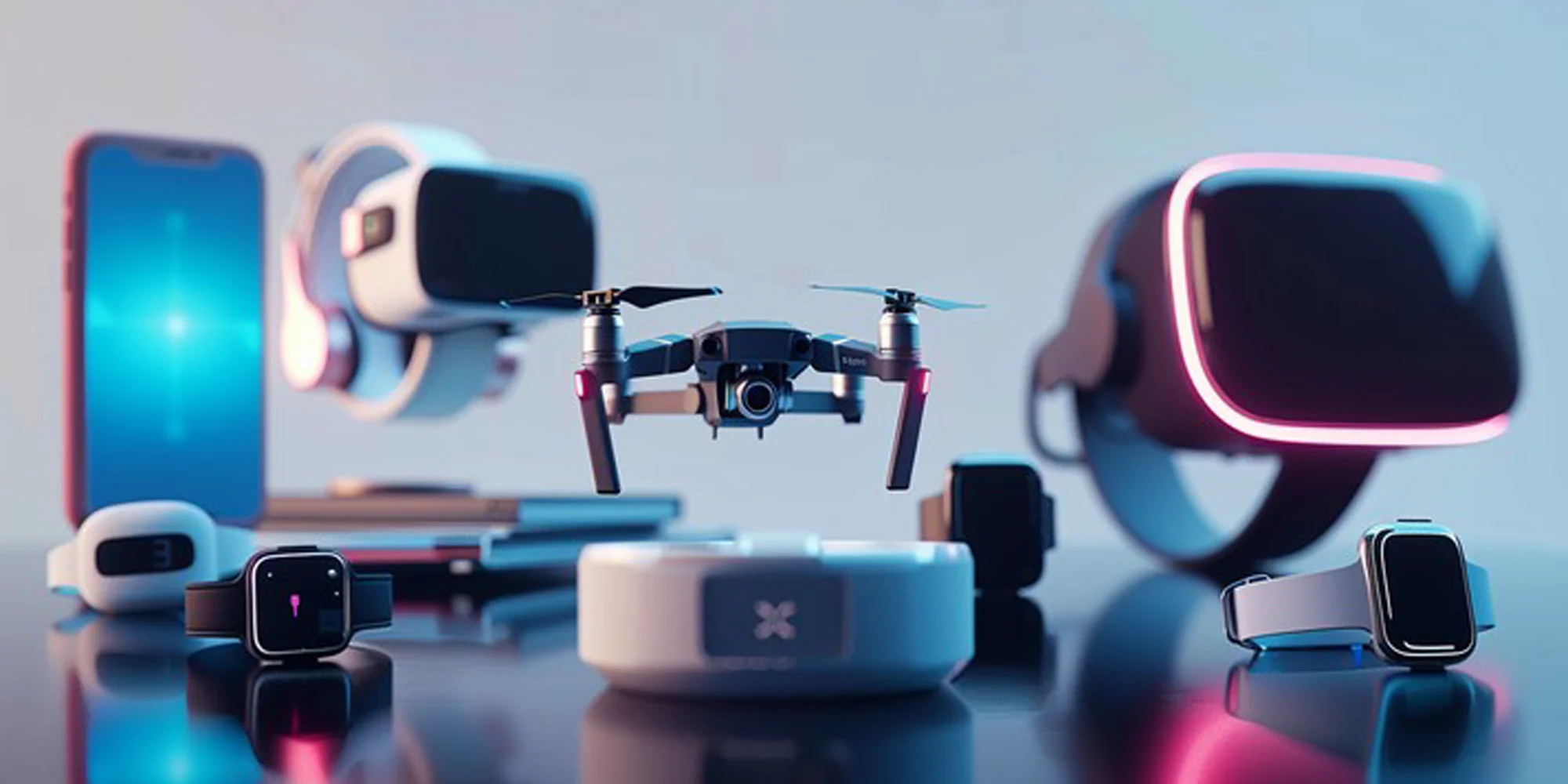
The modern world is highly dependent on technology, and smart gadgets have become one of the most important inventions of the digital era. From communication and education to healthcare and entertainment, gadgets are involved in nearly every part of human life. Devices such as smartphones, laptops, tablets, smartwatches, wireless earbuds, gaming consoles, and smart home systems have completely transformed the way people live and work.
Modern gadgets are designed to make life easier, faster, and more productive. They allow people to connect instantly, access information quickly, and complete tasks efficiently. As technology continues to develop, gadgets are becoming more intelligent, more powerful, and more integrated into daily life.
The Evolution of Modern Gadgets
The history of gadgets began with simple electronic inventions such as telephones, radios, and calculators. These devices improved communication and simplified many daily tasks.
Later, the invention of computers and mobile phones introduced a new technological revolution that changed society completely. Today, gadgets use advanced systems such as artificial intelligence, machine learning, cloud computing, and high-speed internet connectivity.
Modern gadgets are multifunctional devices capable of performing many tasks simultaneously. For example, a smartphone can function as a communication device, digital camera, navigation system, gaming console, and online banking tool.
Technology companies continue to innovate and create gadgets with advanced features, stronger security, and better performance to meet modern needs.
Smartphones and Global Connectivity
Smartphones are among the most widely used gadgets in the world. They have transformed communication and made global connectivity easier than ever before.
People use smartphones for messaging, phone calls, social media, online meetings, internet browsing, and entertainment. Social media platforms have become major tools for communication, marketing, and digital business growth.
Modern smartphones include high-quality cameras, artificial intelligence systems, voice assistants, and facial recognition technology. These features help users create professional content, manage work, and perform everyday tasks efficiently.
Smartphones also support online banking, digital payments, and e-commerce services, making modern life more convenient.
The development of 5G technology has further improved internet speed and digital communication experiences.
Smart Gadgets in Education
Technology has transformed education through smart gadgets and digital learning platforms. Students use laptops, tablets, and smartphones to attend online classes, complete assignments, and access educational resources.
Teachers use smartboards, projectors, and educational software to create interactive learning environments. Online learning systems allow students to study from anywhere in the world.
During the COVID-19 pandemic, gadgets became essential for continuing education remotely. Without digital devices, millions of students would have faced serious educational challenges.
Educational gadgets also help students improve technical and digital skills needed for future careers.
Healthcare and Medical Gadgets
Healthcare technology has improved greatly because of modern gadgets. Doctors and healthcare professionals use advanced medical equipment to diagnose diseases and monitor patients more effectively.
Wearable gadgets such as smartwatches and fitness trackers help users monitor heart rate, sleep quality, oxygen levels, and physical activities.
Telemedicine technology allows patients to consult doctors online without visiting hospitals physically. This innovation improves healthcare accessibility, especially in remote areas.
Artificial intelligence is also being used to develop smart healthcare systems capable of detecting diseases early and improving treatment methods.
Modern healthcare gadgets continue to save lives and improve medical services worldwide.
Entertainment and Gaming Technology
Entertainment has become more advanced and interactive because of smart gadgets. Gaming consoles, virtual reality devices, smart televisions, and wireless sound systems provide immersive digital experiences.
The gaming industry is one of the fastest-growing entertainment industries in the world. Modern gaming gadgets offer realistic graphics, online multiplayer experiences, and advanced virtual environments.
Streaming platforms allow users to watch movies, TV shows, and live sports anytime through smart devices. Wireless earbuds and portable speakers provide high-quality sound for music and entertainment lovers.
Technology continues to improve entertainment experiences and create innovative forms of digital interaction.
Smart Home Devices and Automation
Smart home gadgets are becoming increasingly common in modern households. Devices such as smart lights, voice assistants, smart locks, and security cameras improve convenience and home security.
Voice-controlled assistants can answer questions, control home appliances, manage schedules, and play music. Smart home systems allow homeowners to monitor and control their homes remotely using smartphones.
Automation technology helps save energy, reduce manual work, and improve comfort. Future homes may become fully automated through artificial intelligence systems.
Smart home technology is changing modern lifestyles and creating more efficient living environments.
Advantages of Smart Gadgets
Modern gadgets provide numerous benefits to society. They improve communication, increase productivity, and provide quick access to information and services.
Students benefit from digital learning opportunities, while businesses use gadgets to improve operations and communication. Healthcare professionals rely on advanced devices for accurate diagnosis and treatment.
Modern gadgets also support creativity through photography, programming, graphic design, video editing, and content creation.
Global connectivity is another major advantage. People from different countries can communicate instantly and share ideas through digital technology.
Negative Effects of Gadgets
Despite their many advantages, gadgets also create certain problems. Excessive use of smartphones and computers can lead to addiction, reduced physical activity, and social isolation.
Long screen time may cause eye strain, headaches, neck pain, sleep disorders, and poor posture. Social media addiction can negatively affect mental health and reduce real-life social interaction.
Cybersecurity threats such as hacking, online scams, and identity theft are major concerns in the digital xn88. Electronic waste from outdated gadgets also contributes to environmental pollution.
Responsible use of technology is necessary to reduce these negative effects.
Artificial Intelligence and Future Innovations
Artificial intelligence is shaping the future of smart gadgets. AI-powered devices can understand user behavior, automate tasks, and provide personalized experiences.
Future gadgets may include foldable smartphones, holographic displays, advanced robots, smart thể thao xn88, and self-driving vehicles.
Scientists are also researching brain-computer interfaces that may allow humans to control devices using thoughts. Healthcare gadgets may become capable of predicting diseases before symptoms appear.
Technology companies are focusing on environmentally friendly gadgets with energy-efficient systems and recyclable materials.
The future of smart gadgets promises greater innovation, intelligence, and digital connectivity.
Conclusion
In conclusion, smart gadgets have transformed modern human life and become essential tools in the digital era. They have improved communication, education, healthcare, entertainment, and business activities while making life more convenient and productive.
Although gadgets provide many benefits, they must be used responsibly to avoid health problems, addiction, and cybersecurity risks. Technology should support human progress while maintaining ethical and social balance.
As technology continues to evolve, smart gadgets will become even more advanced and continue shaping the future of society and the digital world.
