

Introduction
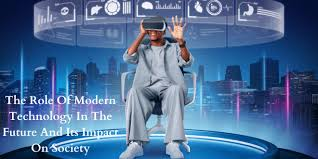
Modern technology has become one of the most influential forces in human civilization. It has transformed communication, education, healthcare, transportation, business, and entertainment. Today, people rely on technology in almost every part of life, and the world has become more connected than ever before because of digital innovation.
Technology makes life easier, faster, and more efficient. It helps people communicate instantly, access information quickly, and complete tasks with greater convenience. The internet, artificial intelligence, robotics, cloud computing, and digital systems are now important components of modern society.
As technological advancement continues, the future of humanity is becoming increasingly dependent on innovation and medical certificate online Australia.
The Evolution of Technology
The journey of technology began with simple inventions designed to reduce human effort. Early tools, the wheel, electricity, telephones, and printing machines changed society significantly and improved productivity.
Later, the invention of computers and the internet introduced a digital revolution that transformed the world completely. Today’s modern technologies include artificial intelligence, blockchain systems, robotics, machine learning, and high-speed internet networks.
Technology companies continuously invest in research and innovation to create more advanced systems and improve human lifestyles. Modern society now depends heavily on digital infrastructure and online communication systems.
The evolution of technology demonstrates the continuous progress of science and human creativity.
Communication and Internet Technology
Communication technology has changed the way people interact with each other. In the past, communication was limited to letters and traditional telephones. Today, people can connect instantly through social media, messaging applications, email services, and video conferencing platforms.
The internet has made global communication easier and more efficient. Businesses can now communicate with customers worldwide, and individuals can access information from any location.
The introduction of 5G technology has improved internet speed and digital communication experiences. Live streaming, online meetings, and cloud-based services now operate more efficiently because of high-speed networks.
Technology has created a globally connected society where geographical boundaries no longer limit communication.
Technology in Education
Education has improved greatly because of modern technology. Students now use digital learning platforms, online courses, educational videos, and virtual classrooms to study from anywhere in the world.
Teachers use projectors, smartboards, and educational software to create interactive learning environments. Online education systems provide flexibility and accessibility for students globally.
During the COVID-19 pandemic, technology became essential for continuing education remotely. Without digital systems, millions of students would have faced educational difficulties.
Technology also helps students develop technical and digital skills necessary for future careers in engineering, business, healthcare, and information technology.
Healthcare and Medical Innovation
Healthcare systems have advanced significantly because of technology. Doctors use modern medical equipment to diagnose diseases and monitor patients more accurately.
Artificial intelligence helps researchers analyze medical data and improve treatment methods. Telemedicine systems allow patients to consult doctors online without physically visiting hospitals.
Robotic surgery, digital medical records, and advanced monitoring systems have increased healthcare efficiency and patient care quality.
Technology also accelerated vaccine development and medical research during global health emergencies. Modern healthcare technology continues to save lives and improve medical services worldwide.
Technology in Business and Economy
Technology has transformed global business operations and economic systems. Companies now use digital platforms for communication, marketing, customer support, online sales, and financial management.
E-commerce platforms allow businesses to sell products and services internationally through the internet. Online banking and digital payment systems have made financial transactions faster and more secure.
Artificial intelligence and automation help businesses improve productivity and reduce operational costs. Cloud computing allows organizations to store and manage data efficiently.
Technology has also created new industries such as digital marketing, software development, cybersecurity, and online content creation.
Entertainment and Digital Media
Entertainment has become more advanced and interactive because of technology. Streaming services allow people to watch movies, television programs, and live sports anytime through the internet.
Video games, virtual reality systems, and digital media platforms provide immersive entertainment experiences. Social media has become one of the largest sources of entertainment and online content sharing.
Technology has also transformed music production, filmmaking, photography, and graphic design by introducing advanced digital tools and editing software.
Online gambling has also increased because of internet accessibility and mobile technology. Many people use gambling platforms for entertainment and quick financial 789bet. However, excessive gambling can create addiction, financial loss, and mental stress, making responsible usage very important.
Advantages of Technology
Technology offers numerous advantages to modern society. It improves communication, increases productivity, and provides instant access to information and services.
Education has become more accessible, businesses can operate globally, and healthcare services have improved because of advanced digital systems. Technology also supports creativity through programming, https://p789bet.biz/, graphic design, and video editing.
Transportation systems have become faster and safer through technological innovation. Modern communication systems also allow people to work remotely and collaborate globally.
Technology continues to create opportunities for growth, innovation, and global development.
Negative Effects of Technology
Despite its many benefits, technology also creates certain challenges. Excessive use of digital devices and social media can lead to addiction, reduced physical activity, and social isolation.
Cybersecurity threats such as hacking, identity theft, and online scams are major concerns in the digital world. Privacy issues have increased because large amounts of personal information are stored online.
Automation systems can also reduce employment opportunities in certain industries by replacing human labor. Electronic waste and energy consumption create environmental concerns as well.
Responsible and balanced use of technology is necessary to minimize these negative effects.
Artificial Intelligence and Future Technology
Artificial intelligence is shaping the future of technology. AI-powered systems can automate tasks, analyze large amounts of data, and provide personalized experiences.
Future innovations may include smart cities, self-driving vehicles, advanced robots, holographic communication systems, and fully automated industries.
Scientists are also researching brain-computer interfaces that may allow humans to interact directly with machines using thoughts.
Technology companies are focusing on sustainable and environmentally friendly solutions to improve energy efficiency and reduce pollution.
The future of technology promises greater innovation, automation, and digital connectivity.
Conclusion
In conclusion, modern technology has transformed human civilization and become an essential part of daily life. It has improved communication, education, healthcare, entertainment, and business activities while making life more convenient and productive.
Although technology provides many benefits, it should be used responsibly to avoid addiction, cybersecurity risks, environmental problems, and social challenges. Technology should support human progress while maintaining ethical and social balance.
As innovation continues to advance, technology will continue shaping the future of society and creating new opportunities for generations to come.
