

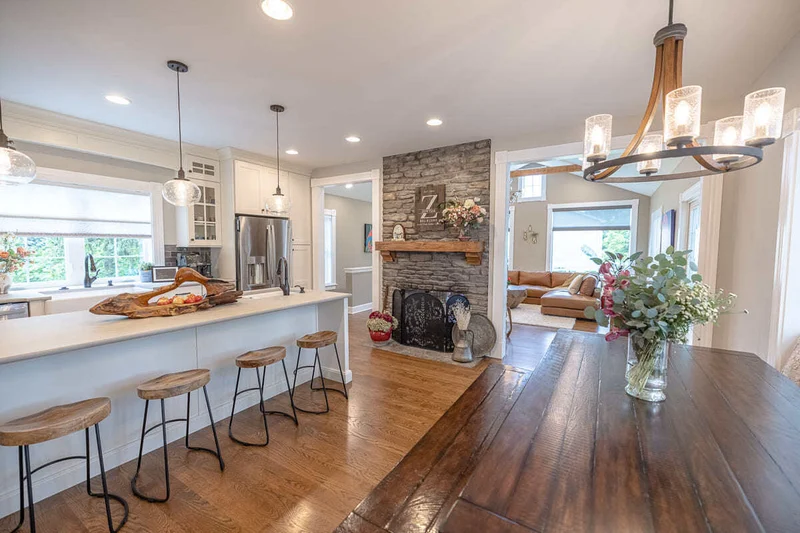
Older homes often have character, history, and charm that newer properties cannot easily copy. They may have solid construction, established neighborhoods, mature landscaping, and unique architectural details. However, many older homes were built for a different way of living.
Rooms may feel closed off. Kitchens may be too small. Bathrooms may be outdated. Storage may be limited. Electrical, plumbing, lighting, insulation, and ventilation may no longer meet modern expectations. For many homeowners, the goal is not to remove the home’s original personality. The goal is to make the house more comfortable, functional, and ready for everyday life.
Transforming an older home into a modern living space takes more than new paint or updated furniture. It requires planning, smart design choices, and a clear understanding of how the home should work after the renovation is complete.
Why Older Homes Need More Than Cosmetic Updates
Cosmetic updates can make an older home look fresher, but they do not always solve deeper problems. A new countertop may improve the kitchen’s appearance, but it will not fix a poor layout. New flooring may make a room look cleaner, but it will not solve uneven transitions, limited storage, or outdated lighting.
Older homes often have several connected issues. A kitchen remodel may affect the dining area. A bathroom update may require plumbing improvements. A wall removal may involve structural planning. Electrical upgrades may be needed before adding modern appliances, recessed lighting, or smart home features.
That is why many homeowners begin with a bigger question: how should the entire home function in the future?
Start With A Clear Remodeling Plan
A successful renovation starts with a plan. Before choosing tile, cabinets, flooring, or fixtures, homeowners should think about how they use the home every day.
- Do they need a more open kitchen?
- Do they want better natural light?
- Is there enough storage?
- Are bathrooms comfortable and practical?
- Does the layout support family life, remote work, entertaining, or aging in place?
A clear remodeling plan helps prevent random updates that do not work well together. It also helps homeowners set priorities and avoid spending money on changes that may not improve the home in a meaningful way.
For homeowners planning a larger project, working with a team experienced in whole home remodel Seattle projects can help connect design, construction, budgeting, and planning into one organized process.
Improve The Layout Before Choosing Finishes
One of the biggest opportunities in an older home is layout improvement. Many older houses were built with smaller rooms, narrow hallways, closed kitchens, and limited flow between living areas.
Modern homeowners often want spaces that feel more connected. This may include opening the kitchen to the dining room, improving the connection between indoor and outdoor areas, adding a larger primary suite, or creating better movement between rooms.
However, layout changes should be planned carefully. Removing walls, moving plumbing, or changing stairways can affect structure, permits, and budget. This is why layout planning should happen early, before homeowners focus too much on finish materials.
A beautiful finish cannot fully fix a layout that does not work.
Update Kitchens, Bathrooms, And Living Areas Together
Kitchens and bathrooms are often the most important parts of a whole home renovation. They are used every day, and they strongly affect how modern the home feels.
An older kitchen may need more counter space, better lighting, improved storage, updated appliances, and a more practical connection to nearby rooms. A bathroom may need better ventilation, a larger shower, new tile, improved fixtures, or a more efficient vanity.
Living areas also matter. Updated flooring, lighting, trim, windows, paint, and built-ins can help the home feel more consistent. When these spaces are planned together, the final result feels more complete.
Instead of having one newly remodeled room surrounded by outdated spaces, the entire home can feel connected and intentional.
Think About Lighting, Storage, And Daily Comfort
Modern living is not only about appearance. It is also about comfort.
Lighting is one of the most important improvements in an older home. Many older houses do not have enough ceiling lighting, task lighting, or natural light. Better lighting can make rooms feel larger, cleaner, and more useful.
Storage is another major factor. Older homes often lack walk-in closets, pantry space, laundry storage, mudrooms, or built-in organization. Adding smart storage can make the home easier to live in without increasing square footage.
Daily comfort may also include better insulation, improved windows, updated heating and cooling, better ventilation, and quieter interior spaces. These upgrades may not always be as visible as cabinets or tile, but they can make a major difference in how the home feels.
One Practical Checklist For A Whole Home Remodel
Before starting a full renovation, homeowners should review the most important parts of the project:
- Review the current layout and identify what feels uncomfortable
- Check outdated systems such as plumbing, electrical, heating, and ventilation
- Decide which rooms need the most attention
- Plan kitchen and bathroom updates early
- Improve lighting, storage, and traffic flow
- Choose durable materials that fit daily use
- Create a realistic budget with room for unexpected issues
- Understand the remodeling timeline before construction begins
- Think about how all rooms should connect visually
- Plan improvements that support long-term comfort and value
This kind of checklist helps homeowners look at the project as one complete plan instead of a group of unrelated updates.
Why Modernizing The Entire Home Can Feel More Complete
Remodeling one room at a time can work for some homeowners, but it can also create design gaps. A new kitchen may make the old living room feel even more dated. Updated bathrooms may not match older flooring, lighting, or trim. New finishes in one area can make nearby spaces feel unfinished.
A whole home approach allows homeowners to create consistency. Flooring, paint colors, cabinetry, lighting, hardware, and trim can be selected with the entire house in mind.
This does not mean every room must look exactly the same. It means the home should feel connected. Each room can have its own purpose while still belonging to the same overall design.
Keep The Home’s Character Where It Matters
Modernizing an older home does not mean removing everything that makes it special. In many cases, the best renovations keep original character while improving function.
Original woodwork, fireplace details, ceiling shapes, built-ins, or exterior features may be worth preserving. These elements can give the home warmth and personality.
The key is balance. A good remodel updates what no longer works while protecting the details that give the home its identity. This is especially important in older neighborhoods, where charm and character are part of the property’s appeal.
Plan For The Future, Not Just Today
A home renovation should solve current problems, but it should also support the future. Homeowners may need flexible spaces, better accessibility, more storage, improved energy efficiency, or rooms that can adapt as family needs change.
This may include a home office, guest suite, larger laundry area, open living space, improved entryway, or better indoor-outdoor connection.
When homeowners plan with the future in mind, the renovation becomes more than a style update. It becomes an investment in how the home will support daily life for years to come.
Final Thoughts
Transforming an older home into a modern living space is not only about making it look new. It is about making the home work better.
The most successful renovations begin with clear goals, careful planning, and a realistic understanding of the home’s condition. Layout, lighting, storage, comfort, kitchens, bathrooms, and long-term function all matter.
An older home can still keep its charm while becoming brighter, more practical, and more comfortable. With the right plan, homeowners can create a space that respects the past while feeling ready for modern life.
FAQ
What is the first step in modernizing an older home?
The first step is understanding what does not work in the current home. Homeowners should review the layout, lighting, storage, outdated systems, and daily comfort before choosing finishes or materials.
Is a whole home remodel better than remodeling one room at a time?
A whole home remodel can be better when several areas of the house feel outdated or disconnected. It allows homeowners to plan the layout, finishes, lighting, and function together so the home feels more complete.
How long does it take to transform an older home into a modern living space?
The timeline depends on the size of the home, the scope of work, permits, design decisions, and whether structural, plumbing, or electrical updates are needed. Smaller updates may take less time, while full home renovations usually require more planning and construction time.
