

Long before pharmaceutical bronchodilators and steroid inhalers existed, indigenous communities across North America had developed sophisticated botanical knowledge of the plants that support respiratory health. This knowledge was not guesswork. It accumulated over generations of careful observation, transmitted through oral tradition and practice, refined by direct experience with how specific plants behaved in specific conditions. Many of the respiratory herbs used in traditional Native American medicine carry active compounds that modern phytochemistry has since identified and studied.
This guide explores a selection of those plants, their traditional uses, the chemical constituents researchers have identified, and how contemporary herbalists work with them. It is not a replacement for medical care for serious respiratory conditions, but it is an honest accounting of a botanical tradition that deserves more attention than it typically receives.
Osha Root (Ligusticum porteri)
Called bear medicine by several Southwestern and Rocky Mountain tribes, osha root is among the most widely used respiratory plants in the American Southwest. The Zuni, Navajo, and various Pueblo communities used the root for coughs, colds, bronchitis, and respiratory infections. It was burned as incense, made into decoctions, and carried as a protective talisman.
The root contains phthalides, ferulic acid, and various terpenoids that contribute to antiviral and expectorant activity. It warms and opens the bronchial passages, stimulates expectoration, and has demonstrated antiviral activity in laboratory settings. Modern herbalists use it for respiratory infections with congestion, particularly in the early stages of illness. It grows at high elevation in the Rocky Mountains and surrounding ranges, which has historically limited its spread to the broader herbal market, though it is now cultivated in appropriate climates.
Mullein (Verbascum thapsus)
Mullein arrived in North America with European colonists but was adopted rapidly into Native American practice, particularly for smoking to address respiratory complaints. The Mohegan, Cherokee, and others used the leaves for coughs, asthma, and bronchitis. The large, velvety leaves became one of the most widely used respiratory herbs across both indigenous and settler botanical medicine traditions.
Mullein leaf contains mucilage, saponins, and flavonoids. The mucilaginous compounds coat and soothe irritated mucous membranes, making it particularly useful for dry, irritated coughs. The saponins act as expectorants. Leaf tea and tincture are the standard preparations. Mullein flower oil, made by infusing the yellow flowers in olive oil, is a traditional remedy for ear infections that retains clinical use today.
Yerba Santa
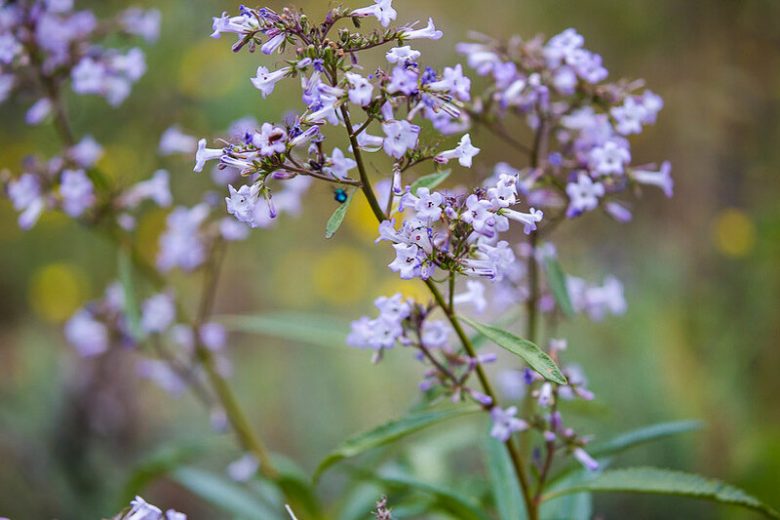
Among the most important respiratory plants in the California and Pacific Southwest indigenous pharmacopoeia is yerba santa, a resinous aromatic shrub with a long history of use for coughs, colds, asthma, and bronchitis. The Chumash, Costanoan, and other California tribes used it extensively, and it became a significant plant in early California botanical medicine. The resinous compounds in the leaves coat the respiratory tract and have both expectorant and anti-inflammatory properties, making it particularly useful for chronic respiratory conditions with congestion and mucus buildup.
Wild Bergamot and Bee Balm (Monarda fistulosa and M. didyma)
The Monarda species, commonly called wild bergamot or bee balm, were used by the Cherokee, Ojibwe, Blackfoot, and many other nations for respiratory conditions. The plants are rich in thymol and carvacrol, the same antimicrobial compounds found in thyme and oregano, which explains their effectiveness for respiratory infections. Tea made from the leaves and flowers was used for fevers, sore throats, and respiratory infections. The strongly aromatic volatile oils are inhaled during preparation as much as they are ingested, providing direct antimicrobial activity in the upper respiratory tract.
Elderflower and Elderberry (Sambucus nigra and S. canadensis)
Elder has been used medicinally across nearly every culture where it grows. In North America, the Cherokee, Iroquois, and many other nations used both the flowers and berries for fevers, colds, and respiratory illness. Elderflower tea is diaphoretic, meaning it promotes perspiration, and was traditionally used to break fevers associated with respiratory illness. Elderberry preparations have been studied for antiviral activity, with several randomized controlled trials showing reduced duration and severity of influenza.
The berries require cooking before use, as raw berries contain cyanogenic glycosides that cause nausea and vomiting. Syrup, tincture, and decoctions are the standard preparations. Elder is one of the few traditional respiratory herbs with a meaningful clinical evidence base.
Usnea (Usnea spp.)
Usnea is a lichen, not a plant in the botanical sense, but it has been used medicinally by indigenous communities and herbalists for centuries. Hanging in grey-green strands from trees in humid forests across North America and much of the world, usnea contains usnic acid, a compound with significant antibacterial and antifungal activity. It was used for respiratory infections, wound care, and urinary tract infections. Modern herbalists use it primarily for bacterial respiratory infections and urinary conditions. Usnic acid has demonstrated activity against gram-positive bacteria including Streptococcus and Staphylococcus species in laboratory settings.
Elecampane (Inula helenium)
Elecampane is another European plant rapidly adopted into North American botanical practice. The Cherokee and other Eastern nations used it for coughs, respiratory infections, and as a general tonic. The root contains inulin, a prebiotic polysaccharide, along with azulene and other sesquiterpene lactones with anti-inflammatory and antimicrobial properties. It is warming and stimulating to the bronchial mucosa and is used by herbalists for chronic respiratory conditions involving mucus, congestion, and recurring infection. It pairs well with mullein for wet, productive coughs with mucus that is difficult to expectorate.
Working with Respiratory Herbs Responsibly
Traditional plant knowledge does not exist in isolation from the communities that developed it, and engaging with indigenous botanical traditions honestly means acknowledging both the value of that knowledge and the broader context of how it came to be widely known. Wild harvesting pressure on many of these plants, particularly osha root, is significant in some regions. Sourcing from cultivated or ethically wildcrafted sources is important for the health of both the plant populations and the traditions they represent.
For anyone managing a serious respiratory condition, these plants are adjuncts to, not replacements for, appropriate medical care. They are most valuable in the early stages of illness, for maintenance of chronic conditions in consultation with a knowledgeable practitioner, and as part of a broader approach to respiratory health that includes appropriate humidity, air quality, and whole-body wellness.
