

For decades, the museum experience has followed a familiar script: walk through galleries, read plaques, admire objects behind glass, and move on. While these institutions house extraordinary treasures, the traditional visit often leaves a gap between what visitors see and what they truly understand about an artifact’s story. A medieval timber frame tells you little about the family who gathered around its hearth. A Roman coin under glass reveals nothing of the marketplace where it once changed hands. This disconnect between static display and living history is precisely where Digital Twin Simulation enters the conversation. Far more than a digital photograph or a simple 3D scan, a digital twin creates a dynamic, data-rich replica of a physical space or object—one that breathes context, responds to inquiry, and evolves with new research. How might this technology reshape the way we connect with cultural heritage? Can it solve the engagement challenges that keep modern visitors—especially younger audiences—from returning? Venues like Bolling Hall Museum in Bradford are already exploring these possibilities, offering a glimpse into a future where every museum visit becomes deeply personal and endlessly explorable.
Beyond Virtual Reality: Understanding Digital Twin Simulation
When most people hear about digital experiences in museums, they picture strapping on a VR headset and wandering through a reconstructed ancient city. Virtual Reality certainly has its place, but Digital Twin Simulation operates on an entirely different level. Where VR creates an imagined or approximated environment for passive consumption, a digital twin builds a precise, data-driven replica of something that physically exists—and keeps that replica synchronized with its real-world counterpart in meaningful ways.
At its core, a digital twin consists of three interlocking components. First, there is data integration: the twin absorbs information from multiple sources—photogrammetry scans, environmental sensors, historical archives, archaeological records, and conservation reports—weaving them into a single coherent model. Second, real-time synchronization allows the digital version to reflect changes in the physical object or space. If conservators discover new paint layers beneath a Tudor wall panel, the twin updates to incorporate that finding. Third, predictive modeling enables the twin to simulate scenarios: how a building looked before fire damage, how foot traffic affects a fragile floor mosaic over decades, or how light exposure gradually alters pigment on a centuries-old painting.
The concept originated far from museum corridors. Aerospace engineers at NASA pioneered early digital twins to monitor spacecraft systems remotely, and manufacturing firms adopted the approach to optimize factory performance without interrupting production. The cultural heritage sector recognized that the same principles—mirroring a physical asset digitally, enriching it with layered data, and running simulations against it—could unlock entirely new ways of understanding historical sites and collections.
What distinguishes a digital twin from the static 3D models already found on many museum websites is this quality of being alive. A 3D scan captures geometry at a single moment; it is essentially a digital photograph with depth. A digital twin, by contrast, functions as a living replica. It can age, respond to questions, reveal hidden layers, and incorporate the latest scholarship. Researchers can test hypotheses against it—what happens structurally if we remove a Victorian-era addition from a medieval hall?—while visitors can explore it as a richly annotated, ever-evolving narrative space. This dynamism transforms the twin from a novelty into a genuine research and engagement tool, one that grows more valuable with every piece of data it absorbs rather than becoming outdated the moment it is created.
Revitalizing History: Practical Applications in Museums
The theoretical promise of digital twins becomes tangible when you consider what they actually enable inside a museum. Rather than replacing the physical visit, these simulations add dimensions that glass cases and printed labels simply cannot deliver. They turn passive observation into active investigation, giving visitors agency over how deeply they engage with any given artifact or space.
Interactive Storytelling and Contextualization
Consider standing before a seventeenth-century oak dining table in a heritage house museum. The object alone communicates craftsmanship, perhaps wealth, but little else. A digital twin of the room it once occupied can resurrect the scene around it—servants carrying platters, candlelight flickering against lime-washed walls, conversation filling the space during a winter feast. This is not pre-rendered animation played on a loop; it is a simulation built from inventories, household accounts, and archaeological evidence of food remains found on site. Visitors can shift the time period forward or backward, watching the same room transition from Tudor domestic life to Civil War occupation to Victorian restoration. Each scenario draws on verified data embedded in the twin, meaning the storytelling is grounded in scholarship rather than pure imagination. At sites like Bolling Hall Museum, where centuries of architectural change are layered into a single building, this capacity to peel back time visually offers narratives that a guided tour could spend hours attempting to convey verbally.
Personalized Exploration and Accessibility
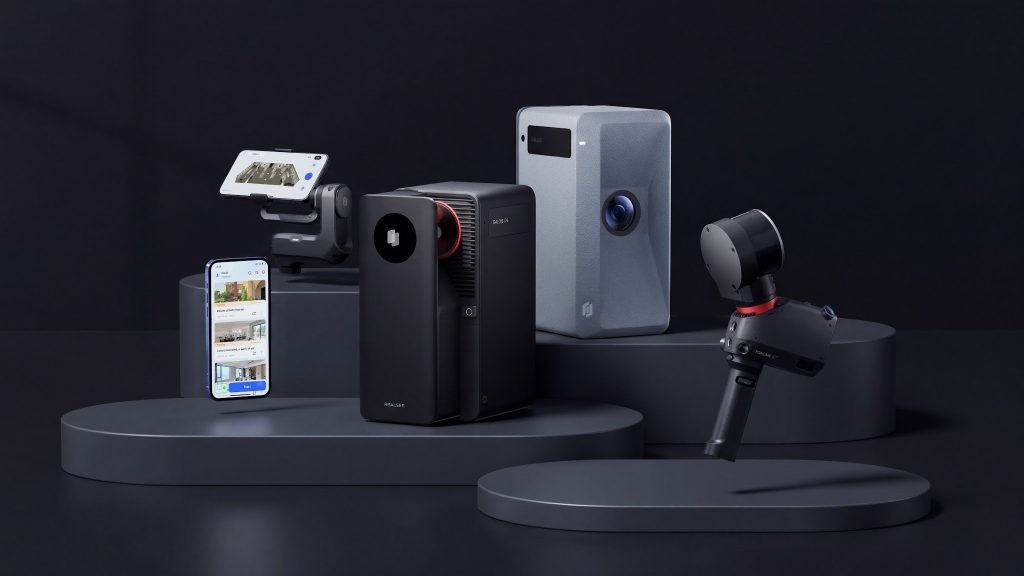
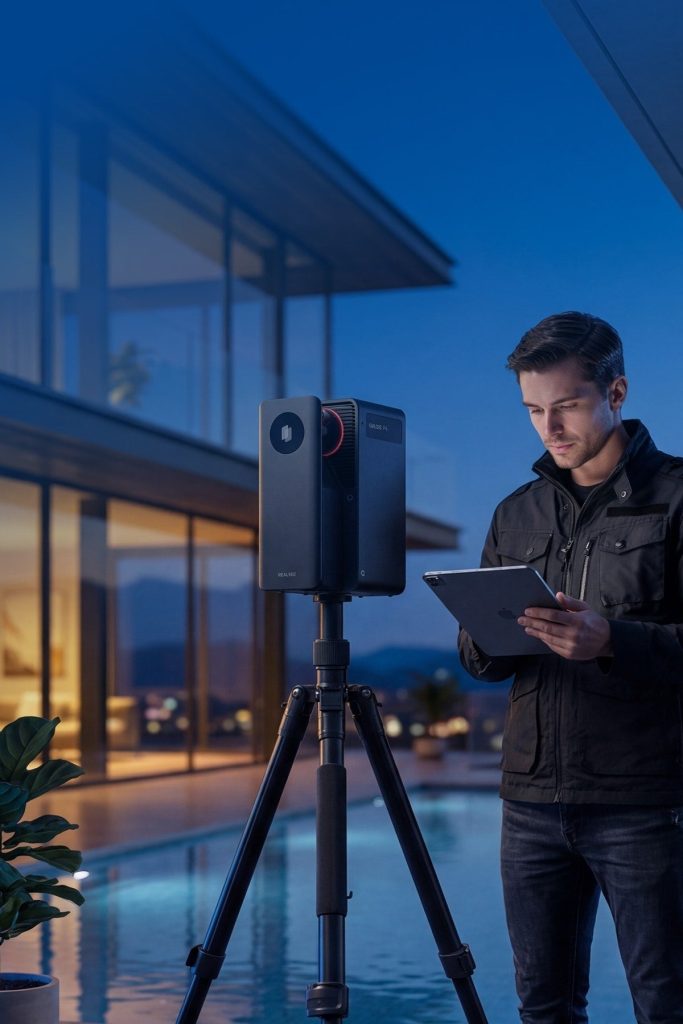
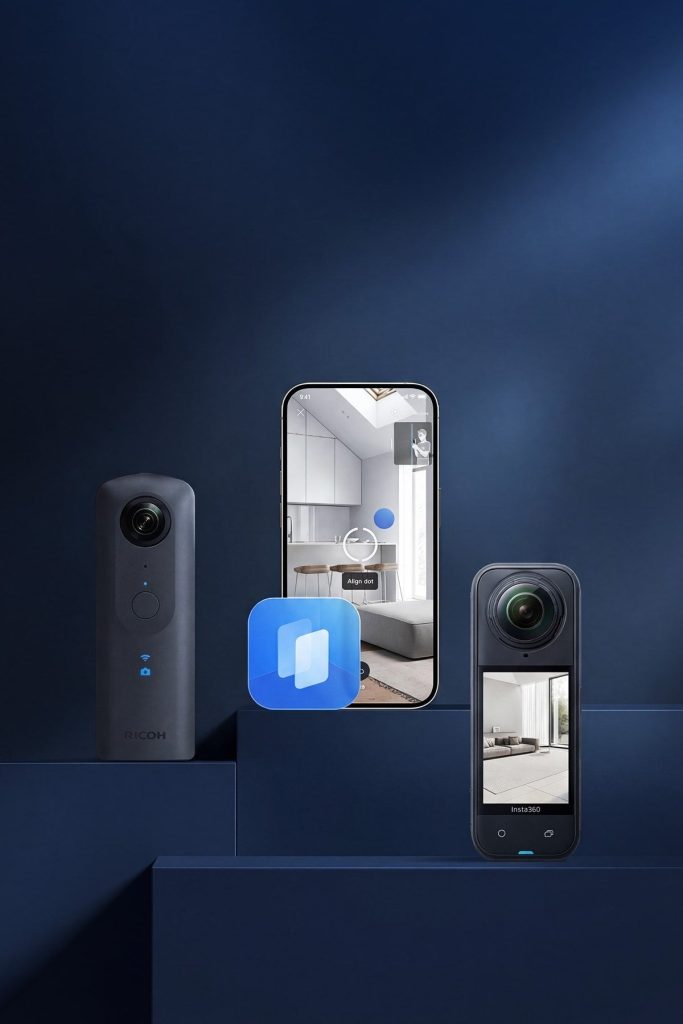
Digital twins dissolve barriers that physical spaces inevitably impose. A visitor with limited mobility can navigate a narrow spiral staircase digitally, examining the mason’s marks on each stone step. A curious child can ask “what if this wall were removed?” and watch the structural consequences unfold in simulation. Fragile rooms closed to the public for conservation reasons become fully explorable without risking damage. Visitors choose their own path through the twin—some may spend twenty minutes examining a single fireplace lintel, while others sweep through an entire floor in moments. This personalization extends to language, reading level, and interest area. A textile historian and a ten-year-old school student interact with the same digital twin but encounter entirely different layers of information, each calibrated to their curiosity. Spatial capture platforms such as Realsee enable the photorealistic scanning that makes these explorations feel spatially convincing rather than abstractly digital, grounding the virtual navigation in accurate geometry and texture that mirrors what the visitor sees in person.
Enhanced Learning Through Data Layers
Perhaps the most powerful educational application lies in the twin’s ability to overlay invisible information onto a visible space. Imagine pointing a tablet at a museum wall and seeing, through augmented data layers, the original medieval pigment beneath Georgian plaster, the structural timbers hidden inside the wall cavity, and annotations from the conservator who stabilized a crack last spring. Archaeological excavation data can be mapped back into the rooms where finds were discovered—a coin hoard visualized beneath the floorboards exactly where it was unearthed. Restoration processes become transparent: visitors watch a time-lapse of how a damaged ceiling was painstakingly repaired, understanding both the skill involved and the interpretive decisions restorers made. Scholarly debate becomes accessible too. Where historians disagree about a room’s original function, the twin can present competing interpretations side by side, inviting visitors to weigh evidence rather than passively accepting a single authoritative narrative. This transforms the museum from a place that delivers conclusions into one that models inquiry itself.
Implementing the Vision: Challenges and Solutions
For all its transformative potential, Digital Twin Simulation does not arrive at a museum’s doorstep ready to deploy. Institutions face genuine obstacles—financial, technical, and ethical—that require thoughtful navigation. Yet each challenge carries workable solutions, particularly as the technology matures and more cultural organizations share their implementation experiences.
Technical and Financial Considerations
Building a high-fidelity digital twin demands significant upfront investment. Photogrammetric scanning of an entire heritage building can require weeks of specialist labor, and the resulting data needs powerful processing infrastructure to render in real time. Software platforms capable of handling the simulation layer—dynamic modeling, user interaction, and data synchronization—add ongoing licensing and maintenance costs. Museums operating on tight public funding often struggle to justify these expenditures against more immediate conservation needs. However, phased implementation offers a practical path forward. Institutions can begin with a single room or signature artifact, proving value before scaling. Partnerships with universities provide access to scanning equipment and student labor in exchange for research opportunities. Grant programs focused on digital heritage—from national arts councils to European structural funds—increasingly recognize digital twins as eligible projects, opening dedicated funding streams.
Data Accuracy and Cultural Sensitivity
A digital twin is only as trustworthy as the data feeding it. Historical records contain gaps, contradictions, and biases; presenting a simulation as definitive when its foundations are uncertain risks misleading visitors. Museums must build transparency into the twin itself—clearly flagging where evidence is strong, where interpretation fills gaps, and where scholarly consensus remains unsettled. Equally important is cultural sensitivity. Representing Indigenous artifacts, sacred spaces, or communities’ lived experiences demands collaboration with descendant groups and stakeholders. Digital twins should not flatten contested narratives into a single polished visualization. Instead, institutions can embed multiple voices and perspectives, making the twin a space for dialogue rather than authority.
Integrating with the Physical Visit
The greatest risk is that digital twins become isolated novelties—impressive demos disconnected from the gallery experience. Successful integration requires designing hybrid tours where the twin complements rather than competes with physical objects. Augmented reality overlays delivered through visitors’ own mobile devices offer a low-barrier entry point: a visitor holds up a phone, and the twin’s data layers appear superimposed on the real room without requiring dedicated hardware. On-site interactive terminals placed adjacent to key artifacts allow deeper dives for those without smartphones. Staff training ensures guides can weave twin-derived insights into live interpretation, and post-visit digital access lets audiences continue exploring at home, extending engagement well beyond the museum’s opening hours.
Reimagining the Museum as a Living Platform for Discovery
Digital Twin Simulation represents far more than the next shiny gadget in a museum’s toolkit—it is a fundamental rethinking of what a visit can accomplish. By transforming static collections into living, queryable, evolving narratives, this technology meets modern audiences where they already are: expecting interactivity, craving depth on their own terms, and seeking experiences that reward curiosity rather than merely demanding patience. For museum-goers, the benefits are immediate and personal. A single visit becomes inexhaustible because the twin reveals new layers with every interaction. Barriers of mobility, language, and prior knowledge dissolve when the experience adapts to the individual rather than forcing everyone through the same interpretive corridor.
Looking ahead, the relationship between technology and cultural education will only deepen. As scanning becomes faster, data integration more seamless, and simulation more accessible through everyday devices, museums are positioned to evolve from repositories of finished knowledge into dynamic platforms for discovery. The objects remain real, irreplaceable, and central—but the stories they carry will finally travel as far and as freely as the curiosity of those who come to hear them.
