

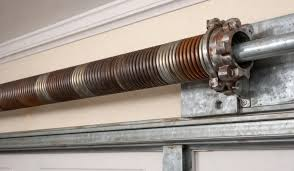
Spring Repair Usually Starts With a Door That Feels “A Little Off”
Most people do not think about garage door springs.
Not until the door starts acting strange.
Maybe it feels heavier than usual.
Maybe the opener sounds tired.
Maybe the door lifts a few inches, pauses, and then gives up.
At first, it is easy to brush off.
You press the button again. The door still moves. Life continues.
But that small change usually means something.
The opener gets most of the attention because it makes the noise and does the visible work. But the spring is what helps carry the weight of the door. When the spring starts losing tension, everything else has to work harder.
The opener strains.
The cables may shift.
The door may stop moving evenly.
That is why Spring Repair should not wait until the door is completely stuck. A failing spring usually gives you warnings first. The trick is not ignoring them.
For homeowners who want a clearer understanding of safe garage door service and long-term repair support,
https://www.northpeakdoors.com/ is a helpful place to start.
The Loud Bang You Should Never Brush Off
One of the clearest signs of a broken garage door spring is a loud bang from the garage.
People often describe it as a snap, a firecracker, or something heavy falling.
Then they go check and nothing obvious is lying on the floor.
That can be confusing.
But in many cases, the spring has snapped above the door.
Torsion springs hold a lot of tension. When one breaks, that stored force releases suddenly. That is why the sound can be so sharp.
After that, the door may not open at all. Or it may open only a few inches. The opener might still run, but it will sound like it is struggling because the spring is no longer helping carry the weight.
If you hear that kind of bang, do not keep testing the door.
It is not the time to see if it “just needs another try.”
Stop using it and have the spring system checked.
For homeowners who want to understand what safe Spring Repair should involve, learn more before trying to use the door again.
Spring Repair Warning Signs You Can Actually See
Not every spring failure happens without warning.
Sometimes the signs are right there if you know where to look.
You do not need to inspect the system like a technician. Just noticing a few obvious changes can help you avoid a bigger problem.
A Visible Gap in the Spring
If you look above the garage door and see a clear gap in the torsion spring, that usually means the spring has already broken.
A healthy spring should look continuous. When it snaps, the coil separates and leaves a visible space.
This is one of the easiest signs to spot.
But spotting it is not the same as fixing it.
Garage door springs are under tension, and this is not a safe DIY repair.
Rust, Stretching, or Uneven Coils
Rust is another warning sign.
A little surface wear may not mean the spring is about to break tomorrow. But heavy rust, warped coils, or uneven stretching should not be ignored.
Metal weakens over time, especially when the door is used often or the garage has moisture issues.
If the spring looks rough and the door is starting to feel heavy, that is worth taking seriously.
Commercial Operations Feel Spring Problems Faster
For homeowners, a broken spring is frustrating.
For Commercial operations, it can shut things down.
A warehouse door, shop door, service bay, or loading-area door is not just there for convenience. It is part of the workflow.
When it stops working, people notice fast.
Deliveries get delayed.
Staff cannot access equipment.
Vehicles may be blocked.
Security becomes an issue.
That is why Commercial operations should not wait for a complete failure before dealing with spring problems.
A commercial door that opens slower than usual, drops too quickly, or sounds strained may still be working today. But if it fails during business hours, the repair bill is only part of the problem.
The downtime can cost more than the repair itself.
High-use doors also wear faster. They open and close more often than a typical residential door, which means the spring system takes more daily stress.
For those doors, early Spring Repair is not just maintenance.
It is damage control.
What Not to Do When the Spring Is Failing
This is the part that matters most.
If the door feels wrong, do not keep forcing it.
A failing spring can make the whole door unpredictable. It may feel heavier than expected, move crooked, stop halfway, or drop faster than it should.
That is not something to experiment with.
Do Not Keep Pressing the Opener
If the opener is humming, straining, or only lifting the door a few inches, stop pressing the button.
The opener is not supposed to lift the full weight of the door by itself.
If the spring is broken or weak, the opener may be taking on more load than it can handle. Keep forcing it and you may turn a spring problem into an opener problem too.
That is how one repair becomes two.
Do Not Try to Lift the Door Alone
A garage door with a failing spring can be much heavier than it looks.
Trying to lift it manually may seem like a quick solution, especially if the car is stuck inside. But if the door is unstable, uneven, or too heavy, it can move in ways you do not expect.
It can drop.
It can shift.
It can pull cables loose.
If the door feels unusually heavy, treat that as a warning.
Not a challenge.
Professional Spring Repair Protects More Than the Spring
Good Spring Repair is not just about replacing the broken spring.
It is about getting the whole door balanced again.
That means checking how the door moves, whether the cables are seated properly, whether the opener has been under strain, and whether the system feels smooth after the repair.
This is where North Peak Doors fits naturally into the conversation.
The company focuses on safety, reliability, and long-term performance — which is exactly what spring work needs. A spring repair should not be a quick patch. It should leave the garage door safer, smoother, and easier on the rest of the system.
Because when the spring is wrong, the whole door tells you.
It feels heavy.
It moves rough.
It sounds strained.
It stops feeling predictable.
And once that happens, waiting usually does not help.
If your garage door starts acting differently, pay attention. It may be giving you the warning that saves you from a bigger repair later.
A spring may be only one part of the system.
But when it starts failing, everything else feels it.
