

Breastfeeding is one of the most rewarding experiences a mother can have, but it comes with its own set of challenges — especially when life doesn’t slow down for a nursing schedule. Whether you’re heading back to work, managing a busy household, or simply trying to build a milk stash, a breast pump becomes an essential tool in your breastfeeding journey. Yet with so many options on the market, choosing the right one can feel overwhelming.
The truth is, not all breast pumps are created equal. The right pump can make the difference between a comfortable, efficient pumping session and a frustrating experience that leaves you exhausted and under-producing. From suction strength and portability to ease of cleaning and noise levels, every feature matters when you’re pumping multiple times a day.
This guide walks you through everything you need to know about breast pumps — from understanding the different types available to mastering your pumping routine. Whether you’re a first-time mom or looking to upgrade your current setup, you’ll find practical advice to help you pump smarter, not harder.
Understanding Different Types of Breast Pumps
Before investing in a breast pump, it’s important to understand what’s available. The breast pump market has evolved significantly over the past decade, offering solutions for every lifestyle and budget. Knowing the differences between pump types helps you make an informed decision that aligns with your specific needs.
Electric vs. Manual Breast Pumps
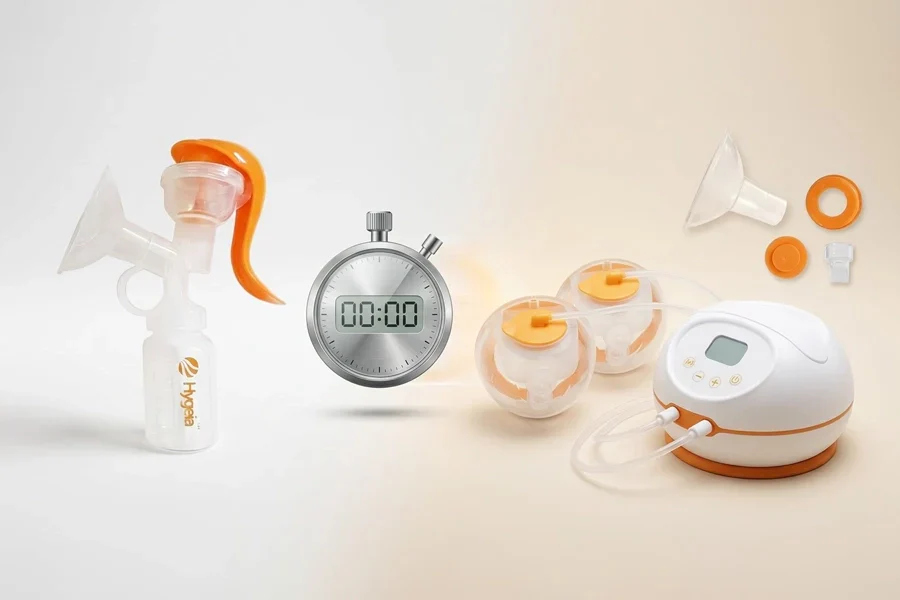
Manual breast pumps are operated by hand, requiring you to squeeze a handle repeatedly to create suction. They’re lightweight, quiet, and affordable — making them a good backup option or a choice for occasional pumping. However, they can be tiring to use for extended sessions and aren’t practical for mothers who need to pump frequently throughout the day.
Electric breast pumps automate the suction process, allowing you to pump with minimal effort. They’re faster, more consistent, and better suited for regular use. Most electric pumps offer adjustable suction levels and multiple pumping modes that mimic a baby’s natural nursing rhythm, which can help stimulate milk production more effectively. For working mothers or anyone pumping more than once a day, an electric pump is almost always the better investment.
Wearable and Portable Options
One of the most significant innovations in recent years is the rise of wearable breast pumps. These compact devices fit directly inside your bra, allowing you to pump discreetly while going about your daily activities — whether you’re in a meeting, driving, or doing household chores. Unlike traditional pumps that require you to sit still and connected to a machine, wearable pumps offer a level of freedom that was previously unimaginable.
Portable electric pumps strike a balance between power and convenience. They’re typically smaller than hospital-grade pumps but more powerful than manual options, and many run on rechargeable batteries. If you’re frequently on the go but still need reliable performance, a portable electric pump may be your ideal match.

Key Features to Look for in a Breast Pump
Once you’ve decided on the type of pump, the next step is evaluating specific features. Not every feature will matter equally to every mother, but understanding what’s available helps you prioritize what’s most important for your situation.
Suction Strength and Comfort
Suction strength is one of the most critical factors in pump performance. A pump that’s too weak won’t effectively empty your breasts, which can lead to decreased milk supply over time. A pump that’s too strong can cause discomfort or even pain. The best pumps offer a wide range of adjustable suction levels so you can find the setting that’s both effective and comfortable for your body.
Look for pumps that offer a two-phase pumping mode — a stimulation phase that mimics a baby’s initial rapid suckling to trigger letdown, followed by an expression phase with slower, deeper suction to draw out milk. This pattern tends to be more efficient and more comfortable than single-mode pumps. Many mothers find that breast pumps with customizable settings allow them to optimize their sessions based on how their body responds on any given day.
Portability and Battery Life
If you plan to pump outside the home — at work, while traveling, or anywhere without easy access to an outlet — battery life becomes a top priority. Look for pumps with long-lasting rechargeable batteries that can handle multiple sessions on a single charge. Some models offer USB-C charging, which makes it easy to top up using a laptop, power bank, or car charger.
Size and weight also matter for portability. A pump that’s too bulky or heavy becomes a burden to carry around. Wearable pumps solve this problem entirely by eliminating the need for external tubing and collection bottles during the pumping session itself. Consider how and where you’ll be pumping most often, and choose a pump that fits seamlessly into that environment.
How to Use a Breast Pump Effectively
Having the right pump is only half the equation. Knowing how to use it correctly makes a significant difference in both your comfort and your output. Many mothers are surprised to find that small adjustments to their technique can dramatically improve their pumping results.
Getting Started with Pumping
Before your first pumping session, read the instructions carefully and make sure all parts are properly assembled and sterilized. Flange size is often overlooked but critically important — using the wrong size can reduce efficiency and cause discomfort. Most pumps come with a standard flange size, but many brands offer different sizes to accommodate different nipple diameters. If you experience pain or notice that your nipple is rubbing against the sides of the tunnel, it’s worth trying a different size.
When you’re ready to pump, find a comfortable, relaxed position. Stress and tension can inhibit letdown, so creating a calm environment helps. Some mothers find it helpful to look at photos or videos of their baby, or to have a piece of their baby’s clothing nearby. Start with the stimulation mode to trigger letdown before switching to expression mode for the remainder of the session.
Building and Maintaining Milk Supply
Consistency is key when it comes to maintaining milk supply through pumping. Your body operates on a supply-and-demand basis — the more frequently milk is removed, the more your body produces. If you’re exclusively pumping or supplementing nursing with pumping, aim to pump every two to three hours during the day, mimicking a typical newborn feeding schedule.
Power pumping is a technique some mothers use to boost supply. It involves pumping for 20 minutes, resting for 10, pumping for 10, resting for 10, and pumping for another 10 minutes — all within a one-hour window. This mimics cluster feeding and can signal your body to increase production. Staying well-hydrated and eating enough calories also supports healthy milk supply, as your body needs extra energy to produce milk.
Breast Pumping Tips for Working Mothers
Returning to work while breastfeeding is one of the most common challenges nursing mothers face. With the right preparation and tools, it’s entirely manageable — and many mothers successfully continue breastfeeding for months after going back to work.
Start by talking to your employer about your pumping needs before you return. In many countries, employers are legally required to provide reasonable break time and a private space (not a bathroom) for pumping. Knowing your rights and having that conversation early removes a major source of stress before it even begins.
Invest in a pump that works for your work environment. If you’re in back-to-back meetings, a wearable pump that lets you pump discreetly without stepping away is invaluable. Momcozy offers a range of wearable and portable electric breast pumps designed specifically for active, on-the-go mothers who need reliable performance without sacrificing convenience or comfort.
Keep a dedicated pumping bag stocked with everything you need: your pump, extra flanges, storage bags or bottles, a cooler pack, and cleaning supplies. Having everything organized and ready to go reduces the mental load of pumping at work. Try to pump at consistent times each day to help maintain your supply and make it easier to plan your schedule around pumping breaks.
If you’re worried about milk supply while at work, remember that stress is one of the biggest inhibitors of letdown. Give yourself permission to step away, take a few deep breaths, and focus on the task. Even a few minutes of relaxation before pumping can make a noticeable difference in your output.
Common Breast Pumping Mistakes to Avoid
Even experienced mothers can fall into habits that reduce pumping efficiency or cause unnecessary discomfort. Being aware of these common mistakes helps you get the most out of every session.
Using the wrong flange size is one of the most frequent issues. A poor fit reduces suction efficiency and can cause nipple soreness. If you’ve been pumping for a while and notice decreased output or discomfort, flange fit is one of the first things to check. Many lactation consultants can help you measure for the correct size if you’re unsure.
Pumping on the highest suction setting is another common misconception. Higher suction doesn’t necessarily mean more milk — it often just means more pain. The most effective setting is the highest level that remains comfortable, not the absolute maximum. Start low and gradually increase until you find your comfort threshold, then stay there.
Skipping pump sessions when you’re busy can quickly impact your supply. Even if you can’t pump for a full session, a shorter session is better than nothing. Consistency matters more than duration when it comes to maintaining supply. Similarly, not replacing pump parts regularly can reduce performance over time — membranes and valves wear out and should be replaced every few months depending on usage frequency.
Finally, don’t neglect proper cleaning. Pump parts that come into contact with milk should be washed after every use to prevent bacterial growth. While it’s not always practical to do a full wash immediately, rinsing parts with cold water right after use and washing thoroughly as soon as possible is a good habit to maintain throughout your pumping journey.
Making the Most of Your Breastfeeding Journey
Choosing the right breast pump is a deeply personal decision that depends on your lifestyle, pumping frequency, and individual needs. Whether you opt for a compact wearable pump for hands-free convenience or a powerful portable electric pump for maximum efficiency, the most important thing is finding a tool that supports your breastfeeding goals without adding unnecessary stress to your day.
Take the time to research your options, consider the features that matter most to you, and don’t hesitate to try different flange sizes or settings until you find what works best for your body. With the right pump and a consistent routine, breastfeeding and pumping can be a sustainable, rewarding part of motherhood — even on the busiest days.
Your breastfeeding journey is unique, and the right support makes all the difference. Invest in a pump that works as hard as you do, and give yourself grace as you navigate this beautiful, challenging chapter of motherhood.
