

Between early morning meetings, endless commutes, and family obligations, finding a spare hour to drive to the gym feels nearly impossible for most working professionals. It’s no surprise that home workouts have surged in popularity, offering a flexible alternative that fits around demanding schedules rather than competing with them. But with dozens of home gym systems flooding the market—each promising a complete fitness solution—choosing the right one becomes a challenge in itself. How do you separate genuinely effective equipment from overhyped machines that end up collecting dust? This article cuts through the noise with detailed reviews of today’s leading home gym systems, evaluating each based on the criteria that matter most to time-strapped individuals: efficiency, ease of use, and reliability for daily training. Whether you’re considering the Gym Monster or exploring alternatives, you’ll find the practical guidance needed to make a confident investment in your fitness.
The Rise of Home Workouts for Busy Professionals
The traditional gym membership model was built around a lifestyle that fewer people actually live. It assumes you have a predictable schedule, a gym within convenient distance, and the willingness to share equipment during peak hours. For busy professionals juggling career demands and personal responsibilities, these assumptions rarely hold true. The result? Missed sessions, guilt, and fitness goals that perpetually sit on the back burner.
Home workouts have emerged as the practical answer to this mismatch. Rather than carving out ninety minutes for a round trip to the gym, professionals can step into a dedicated corner of their home and begin training immediately. This elimination of friction—no commute, no waiting for equipment, no rigid class schedules—transforms fitness from a logistical challenge into a sustainable daily habit. The consistency that daily training demands becomes achievable when your workout space is steps away from your morning coffee.
Beyond convenience, home-based fitness delivers something equally valuable: control over your training environment. You dictate the pace, the music, the timing. Early risers can complete a full session before their household wakes. Night owls can decompress with strength training after putting kids to bed. This adaptability explains why the home fitness equipment market has expanded dramatically, with manufacturers like Speediance now designing systems specifically for professionals who need efficient, results-driven workouts without the time overhead of a commercial gym. The question is no longer whether to train at home—it’s which system delivers the best return on your limited time.
Key Features to Look for in a Home Exercise Machine
Not every home gym system deserves a spot in your living space. The difference between equipment that transforms your fitness and a machine that becomes an expensive coat rack comes down to a handful of critical features. Before committing to any purchase, evaluating these criteria through the lens of your actual lifestyle—not aspirational gym fantasies—ensures you invest wisely.
The most important factor for busy professionals is versatility. A home exercise machine should cover multiple movement patterns—pushing, pulling, squatting, and hinging—within a single station. Systems that require constant reconfiguration between exercises waste precious minutes and break training momentum. Look for machines offering smooth transitions between exercises, ideally allowing you to move from one movement to the next in under ten seconds. Resistance range also matters significantly; a system that maxes out too quickly will limit your progression within months, making it a short-lived solution rather than a long-term training partner.
Ease of Use and Setup for Seamless Daily Training
When you have thirty minutes before a conference call, the last thing you need is a complicated setup process. The best home gym systems feature intuitive resistance adjustments—pin-loaded or digital selector mechanisms that let you change weight instantly. Assembly should take no more than an afternoon, with clear instructions and minimal tools required. Features like built-in workout guides or app connectivity further reduce decision fatigue, letting you start your daily training session the moment you step up to the machine rather than spending time planning what comes next.
Durability and Space Efficiency
Build quality directly correlates with long-term reliability. Steel frames, commercial-grade cables, and reinforced pulleys withstand years of daily training without degrading performance. Equally important for home environments is the machine’s footprint. Compact designs that fold or consolidate multiple functions into a single frame work best in spare bedrooms, garages, or apartment corners. Measure your available space before shopping, and prioritize systems that deliver maximum exercise variety per square foot occupied—this balance between capability and compactness separates truly practical home gym equipment from bulky, underused installations.
In-Depth Home Gym System Reviews: From Gym Monster to Top Alternatives
Selecting a home gym system requires more than browsing product photos and reading marketing copy. Each machine performs differently under the demands of consistent, daily training—and what works for a casual weekend exerciser often falls short for professionals who need reliable performance five or more days per week. The following home gym system reviews evaluate leading systems based on real-world usability, exercise variety, build quality, and how well each accommodates the time constraints that define a busy professional’s routine.
Gym Monster: A Comprehensive Analysis for Efficient Home Workouts
The Gym Monster positions itself as an all-in-one exercise machine designed to replace an entire rack of commercial gym equipment. Its primary strength lies in the breadth of movements it supports from a single station—over forty distinct exercises covering every major muscle group without requiring additional attachments or accessories. For professionals committed to daily training, this means stepping up to one machine and completing a full-body workout without interruption.
The resistance mechanism allows rapid weight changes between sets, which keeps sessions tight and efficient. Users report completing comprehensive strength workouts in twenty-five to thirty-five minutes, a timeframe that fits comfortably into a morning routine or lunch break. The cable paths feel smooth under load, and the frame remains stable even during heavier compound movements like seated rows and lat pulldowns. Build quality reflects commercial-grade standards, with welded steel construction and reinforced cable housing that holds up under daily use without developing slack or requiring frequent maintenance.
Where the Gym Monster particularly excels is in its learning curve—or lack thereof. The transition between exercises is intuitive, with clearly marked attachment points and a logical layout that new users can navigate within their first session. This removes the barrier of complexity that causes many home gym owners to default to the same three exercises repeatedly. For busy professionals who cannot afford to waste time consulting manuals mid-workout, this accessibility translates directly into better training adherence and more complete programming.
Other Notable Home Gym Systems Reviewed
Beyond the Gym Monster, several systems merit consideration depending on your specific priorities. Functional trainer-style machines with dual adjustable pulleys offer exceptional exercise variety and accommodate advanced training techniques like unilateral movements and cable crossovers. These systems suit experienced lifters who want freedom to customize angles and resistance curves, though they typically require more knowledge to use effectively and transitions between exercises can take longer.
Compact leverage-based systems appeal to those with minimal floor space. They use body weight and plate-loaded arms to create resistance, delivering solid compound movement options in a footprint under thirty square feet. The trade-off is a narrower exercise selection compared to cable-based alternatives, and some users find the fixed movement paths less natural than free-motion cables. For reliability in daily training, these machines score well—fewer moving parts mean fewer components that can wear or fail over time.
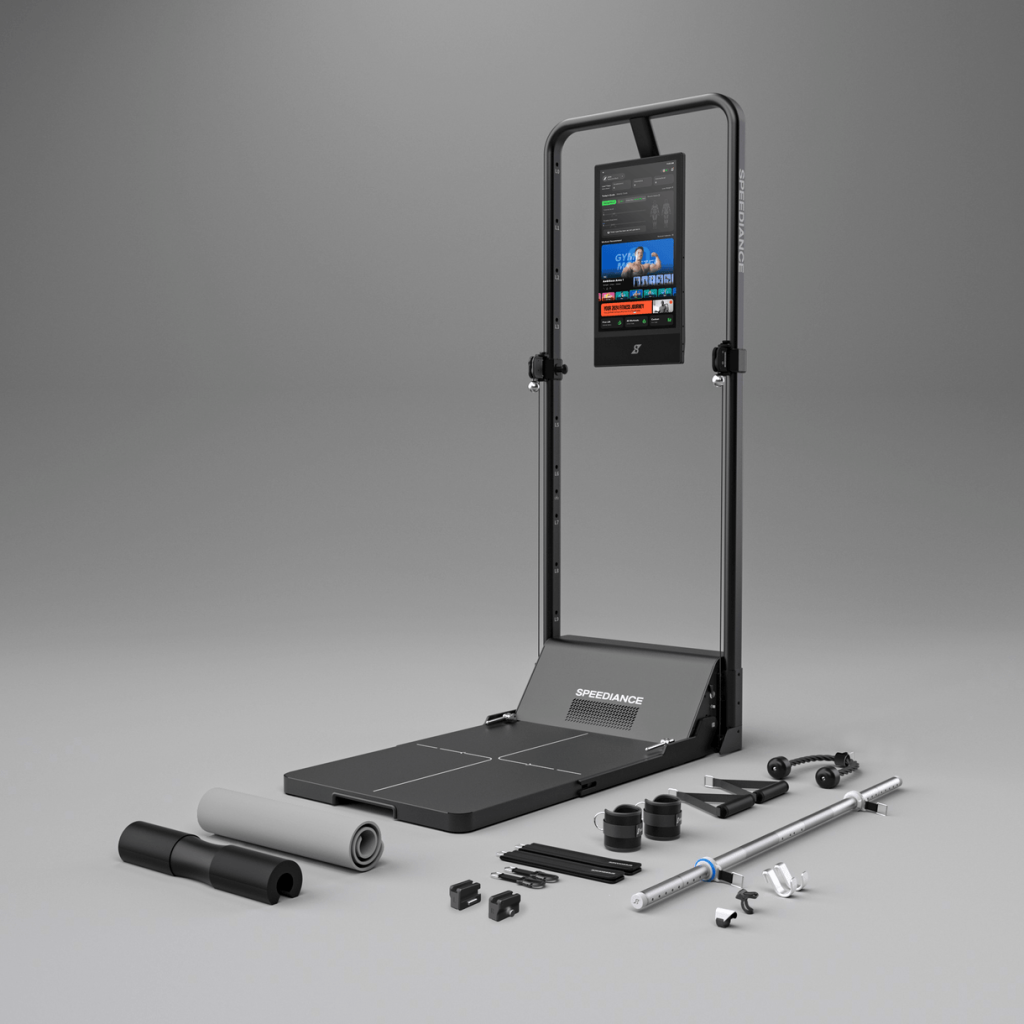
Smith machine hybrid systems combine a guided barbell with cable stations and sometimes include a pull-up bar. They offer the closest experience to traditional barbell training while adding cable versatility. However, their larger footprint and more complex assembly process make them better suited to dedicated garage gyms than spare rooms. Smart gym systems from brands like Speediance represent another emerging category, integrating digital resistance and guided programming into compact units designed for tech-savvy professionals. When evaluating any alternative, apply the same criteria: how quickly can you transition between exercises, does the resistance range support long-term progression, and will the build quality sustain daily use without degradation? These questions consistently separate worthwhile investments from equipment that underdelivers within its first year.
How to Choose the Right Home Gym System: A Step-by-Step Guide
Narrowing down the right system becomes straightforward when you follow a structured decision process rather than impulse-shopping based on flashy advertisements. Start by measuring your available space and defining non-negotiable boundaries—account for ceiling height, clearance around the machine for full range of motion, and whether the area needs to serve other purposes when you’re not training. Next, honestly assess your training experience and goals. Beginners benefit from guided systems with preset exercise stations, while experienced lifters may prioritize adjustable cables and free-motion paths that allow progressive programming.
Evaluate your schedule to determine what “easy to use” means for you specifically. If your window is thirty minutes before work, prioritize machines with instant resistance changes and minimal transition time between movements. Then stress-test your shortlist against durability—read user feedback from owners who’ve logged six months or more of daily training, not just initial impressions. Finally, confirm the resistance range supports at least two years of progression for your strength level. A system that challenges you today but allows meaningful increases over time protects your investment and keeps daily training productive long after the initial excitement fades.
Building a Sustainable Fitness Habit With the Right Equipment
The right home gym system eliminates the biggest obstacle standing between busy professionals and consistent fitness: time. Across the systems reviewed, the Gym Monster stands out for its combination of exercise variety, rapid transitions, and commercial-grade durability—qualities that directly serve anyone committed to daily training without wasted minutes. Functional trainers and compact leverage systems each offer distinct advantages depending on your space constraints and training experience, but the core evaluation criteria remain constant regardless of which direction you lean.
Investing in a home gym system isn’t just purchasing equipment—it’s reclaiming hours each week that would otherwise disappear into commutes, crowded weight rooms, and scheduling conflicts. The professionals who maintain long-term fitness aren’t necessarily more disciplined; they’ve simply removed enough friction to make consistency the path of least resistance. Use the step-by-step framework outlined above to match your specific space, goals, and schedule to the system that fits. Then commit to showing up daily, knowing your equipment will perform as reliably on day five hundred as it does on day one. That’s the real return on investment—not a machine, but a sustainable habit built around your life as it actually is.
