

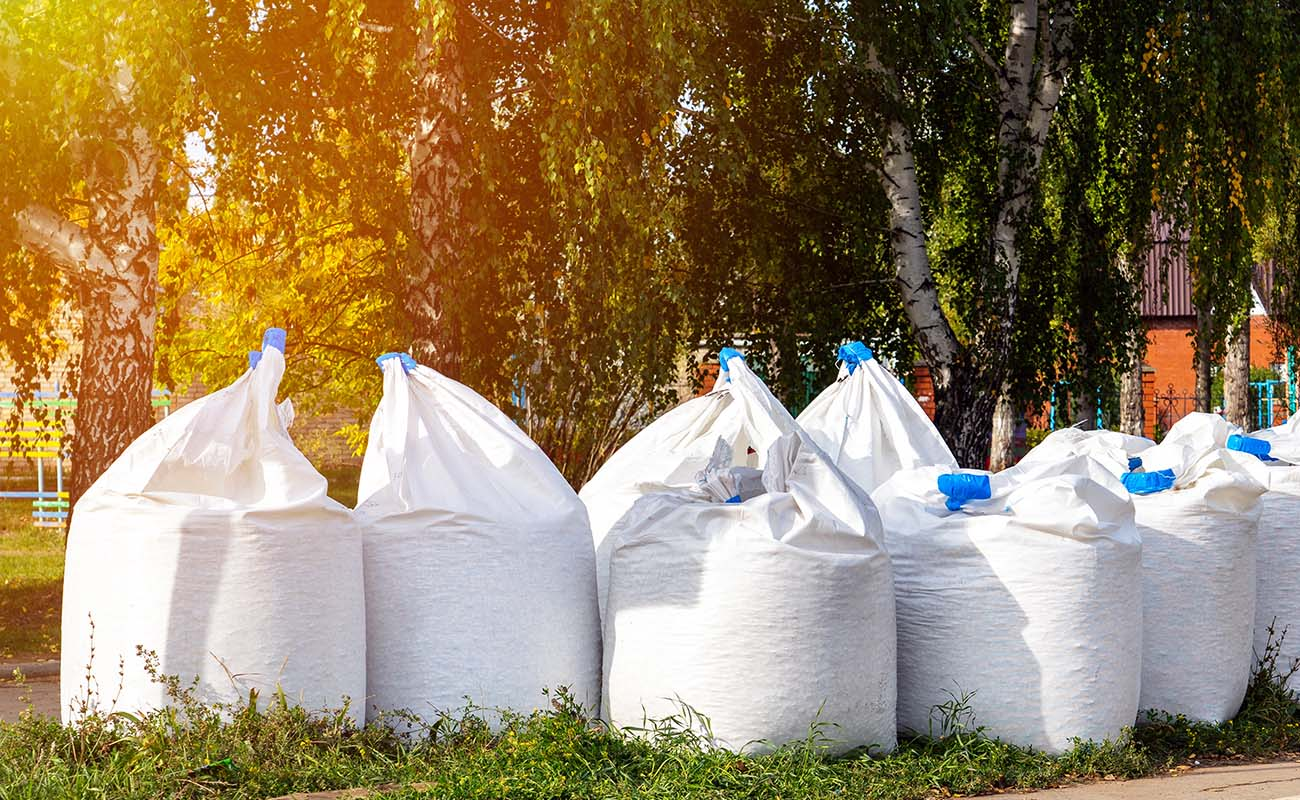
Efficient packaging and material handling play a critical role in modern industries. Whether businesses operate in agriculture, food production, construction, recycling, chemicals, or manufacturing, they need reliable solutions for storing and transporting large quantities of products safely and cost-effectively.
Over the years, one packaging solution has consistently proven its value across multiple sectors: the bulk bag.
From my experience, companies are increasingly looking for packaging options that not only reduce handling costs but also improve storage efficiency and product protection. Bulk bags continue to meet these demands while offering versatility for a wide range of applications.
What Are Bulk Bags?
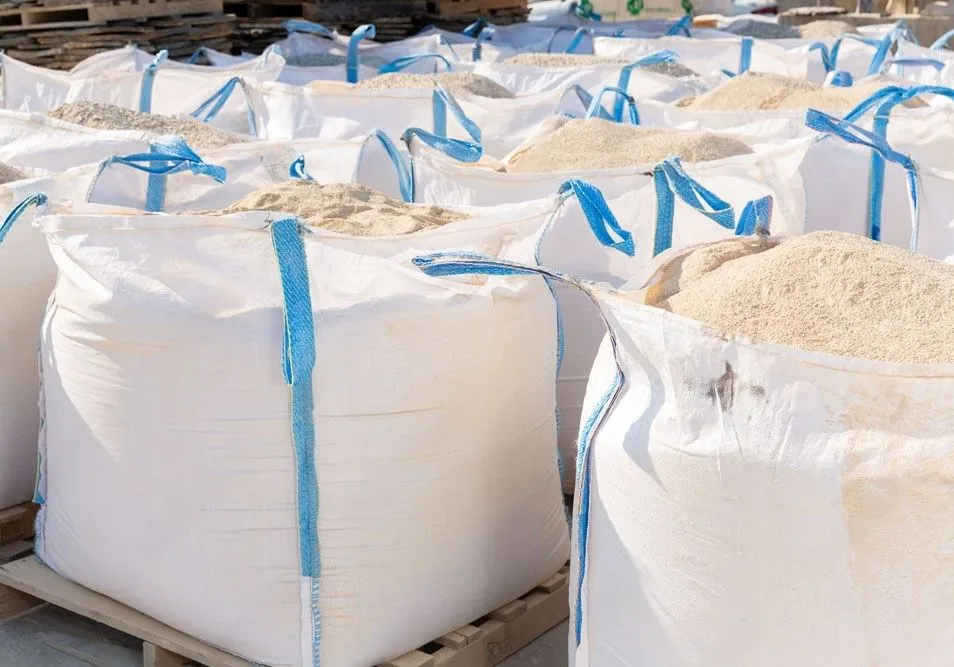
Bulk bags, often known as Flexible Intermediate Bulk Containers (FIBCs), are large industrial containers designed to hold and transport substantial quantities of dry products and materials.
They are commonly used for:
- Powders
- Granules
- Agricultural products
- Food ingredients
- Building materials
- Recyclable materials
- Industrial raw materials
Their ability to safely handle large volumes makes them an attractive solution for businesses seeking efficiency and scalability.
Why Businesses Prefer Bulk Bags
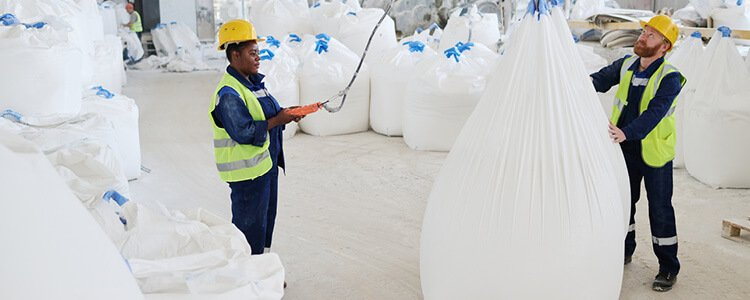
As supply chains become more demanding, businesses need packaging solutions that support both operational efficiency and cost control.
Bulk bags offer several important advantages:
Increased Storage Capacity
A single bag can hold significantly more material than traditional sacks or smaller containers, reducing storage complexity and improving warehouse organization.
Easier Transportation
Large-volume packaging simplifies logistics by reducing the number of individual packages that need to be handled and transported.
Cost Efficiency
Fewer packaging units often result in lower handling, storage, and transportation costs.
Improved Product Protection
Many bulk bags are designed to protect products from contamination, moisture, and external environmental factors.
Applications Across Multiple Industries
One reason bulk bags remain so popular is their versatility.
Agriculture
Farmers and agricultural suppliers use bulk bags to transport and store products such as:
- Seeds
- Fertilizers
- Animal feed
- Grain
Construction
Construction companies frequently use bulk bags for materials including:
- Sand
- Gravel
- Cement
- Aggregates
Food Manufacturing
Food-grade bulk bags provide safe storage and transportation for ingredients while helping maintain hygiene standards throughout the supply chain.
Recycling and Waste Management
Bulk bags help simplify the collection, storage, and movement of recyclable materials and industrial waste.
The Importance of Food-Grade Packaging
For businesses operating within the food industry, packaging quality is particularly important.
Food-grade bulk bags are manufactured to meet strict standards that help ensure product safety and integrity.
Benefits include:
- Reduced contamination risk
- Improved product protection
- Compliance with industry requirements
- Safe transportation and storage
From what I’ve observed, businesses increasingly prioritize packaging solutions that support both operational efficiency and food safety objectives.
Sustainability Benefits
Sustainability continues to influence purchasing decisions across many industries.
Many organizations are actively seeking ways to reduce waste and improve environmental performance.
Bulk bags contribute to these goals by:
- Reducing packaging material usage
- Improving transportation efficiency
- Supporting reusable packaging strategies
- Minimizing storage space requirements
As businesses work toward sustainability targets, efficient packaging solutions are becoming more important than ever.
Choosing the Right Bulk Bag
Not all bulk bags are identical.
When selecting a solution, businesses should consider:
- Product type
- Weight capacity
- Storage conditions
- Transportation requirements
- Industry regulations
- Food-grade certification needs
The right choice can improve operational efficiency while helping protect valuable products throughout the supply chain.
Why Packaging Quality Matters
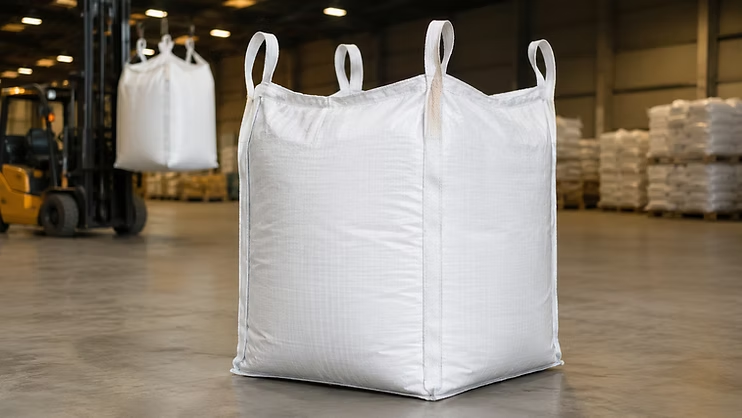
Packaging often has a direct impact on product quality, operational efficiency, and customer satisfaction.
High-quality packaging solutions can help businesses:
- Reduce product loss
- Improve handling efficiency
- Lower transportation costs
- Enhance workplace safety
- Maintain product integrity
Investing in reliable packaging frequently delivers long-term operational benefits.
The Future of Industrial Packaging
As industries continue evolving, demand for flexible, durable, and sustainable packaging solutions is expected to grow.
Future developments are likely to focus on:
- Improved sustainability
- Enhanced product protection
- Greater supply chain efficiency
- Innovative materials
- Increased reusability
Bulk packaging solutions will continue playing an important role in helping businesses meet these changing demands.
Final Thoughts
Efficient storage and transportation are essential for businesses operating in today’s competitive marketplace. Bulk bags offer a practical solution that combines durability, flexibility, and cost-effectiveness across a wide range of industries.
Whether used in agriculture, food production, construction, or manufacturing, the right bulk bag solution can improve logistics, protect products, and support long-term operational efficiency.
