

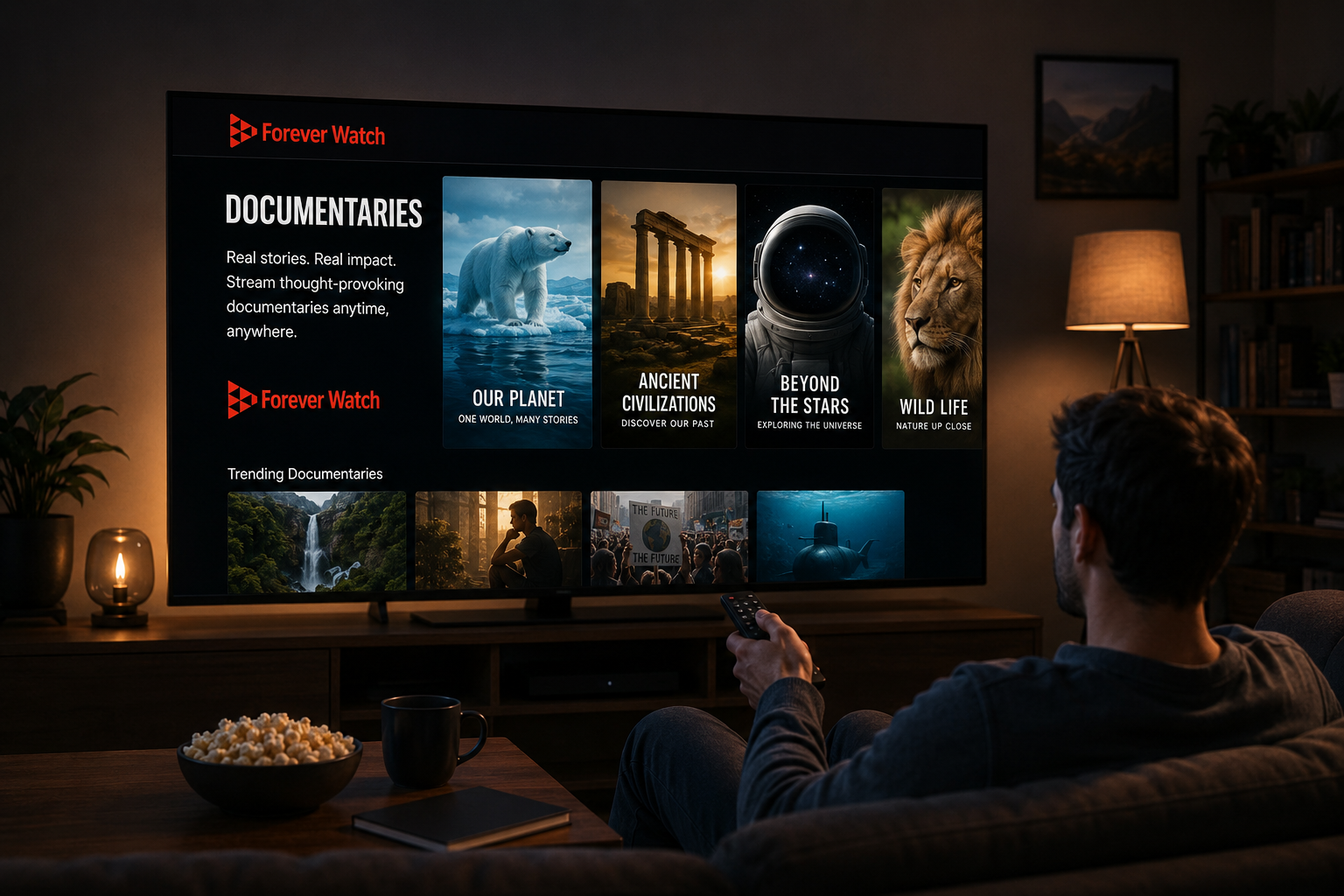
Documentaries give viewers an opportunity to explore real stories, new ideas and unfamiliar parts of the world. In the past, people often had to wait for a specialist television channel to broadcast a programme that interested them. Today, more viewers choose to watch documentaries online because streaming gives them greater control over what they watch and when they watch it.
A good documentary can be informative without feeling like a formal lesson. It can introduce viewers to an important historical event, explain a scientific discovery or reveal how people live in another part of the world. It can also turn an ordinary evening at home into an opportunity to learn something unexpected.
Documentaries Make Learning More Enjoyable
Learning does not always need to involve textbooks, lectures or lengthy articles. Documentaries can make complex subjects easier to understand by combining clear explanations with interviews, archive footage and strong visual storytelling.
A viewer interested in nature can follow wildlife in remote parts of the world. Someone curious about business can explore the rise and fall of major companies. A sports fan may enjoy a behind-the-scenes story about a famous team, athlete or competition.
The format works because it gives viewers context. Instead of reading a list of facts, people can see locations, hear personal accounts and follow a story from beginning to end.
Documentaries can also encourage further research. A viewer may finish a film about space exploration and decide to read more about astronomy. Another person may watch a historical series and become interested in visiting a museum or finding a related book.
Streaming Removed the Fixed Television Schedule
Traditional television required viewers to organize their time around a broadcast schedule. If a documentary aired at an inconvenient hour, people either had to miss it or hope that it would be repeated later.
Streaming changed that experience. Viewers can now start a documentary when it suits them, pause it when necessary and return later without losing their place.
This flexibility matters because people have different routines. Some viewers may prefer to watch an episode during a quiet weekend. Others may enjoy a short documentary after work or while travelling.
The ability to watch on demand also makes it easier to follow multi-part documentary series. Instead of waiting a week for the next episode, viewers can decide whether to continue immediately or return when they have more time.
Viewers Can Explore a Wider Range of Topics
One of the biggest advantages of online viewing is the variety of available subjects.
Documentaries cover far more than history and nature. Viewers can explore sport, technology, travel, music, food, crime, politics, art, health, business and personal stories.
This variety makes documentaries suitable for different moods. A viewer looking for something relaxing may choose a travel programme with beautiful scenery. Someone who wants a more intense experience may prefer an investigative documentary or a true-crime series.
Online platforms also make it easier to discover subjects that may not receive much attention on traditional television. People who watch documentaries online can move between different genres and explore stories that match their interests without being limited by a fixed channel schedule.
Real Stories Can Be More Engaging Than Fiction
Movies and television series remain popular because they provide entertainment and escape. However, documentaries offer something different: the knowledge that the events and people on screen are connected to real life.
That can make the viewing experience more powerful. A personal story may encourage empathy. A historical documentary can reveal how past events continue to influence the present. A nature film may show places and animals that most people would never see in person.
The strongest documentaries do more than present information. They create a narrative that keeps viewers interested from beginning to end.
Even viewers who do not normally seek educational content may find themselves drawn into a well-told story. The subject may be serious, surprising or inspiring, but the format can make it accessible.
Mobile Devices Make Viewing More Flexible
Documentaries are no longer limited to the living-room television.
A smartphone can make it possible to watch a short programme during a commute. A tablet may be suitable for viewing while relaxing in bed. A laptop can turn a hotel room, study area or kitchen table into a comfortable entertainment space.
Smart televisions remain useful for viewers who prefer a larger screen, especially when watching visually impressive nature or travel documentaries.
The choice of device depends on the situation. Some people prefer the convenience of a smaller screen, while others want a more immersive experience.
A stable internet connection is also important. Wi-Fi is usually the best option for longer sessions, while mobile data may be suitable for shorter viewing periods. Anyone using mobile data should monitor usage, particularly when streaming in high definition.
Subtitles Open the Door to International Stories
Online streaming has made it easier to explore documentaries created in different parts of the world.
Subtitles allow viewers to follow stories in languages they may not understand. As a result, audiences are no longer limited to programmes produced in their own country or region.
This can introduce people to new perspectives. A viewer may discover a documentary about a community in South America, a business story from Asia or a wildlife programme filmed in a remote part of Africa.
Subtitles are also useful in noisy environments or when dialogue is difficult to hear clearly. In addition, they can improve accessibility for people who are deaf or hard of hearing.
The ability to discover international content makes documentary streaming more interesting and more inclusive.
Documentaries Can Start Meaningful Conversations
A good documentary often stays with the viewer after the credits end.
Some programmes raise difficult questions. Others encourage people to reconsider a subject they thought they understood. This can lead to meaningful discussions with friends, relatives or colleagues.
A family may watch a nature documentary together and discuss environmental issues. A sports fan may recommend a behind-the-scenes series to someone who supports the same team. A business documentary may inspire a conversation about entrepreneurship or leadership.
Streaming makes sharing these recommendations easier. Viewers can send a title to someone else, add it to a watchlist or return later to explore related content.
Legal and Reliable Streaming Options Matter
Viewers should use legitimate and reliable streaming platforms whenever possible.
Untrustworthy websites may contain intrusive advertisements, misleading download buttons or harmful software. They can also provide poor-quality video and an inconsistent viewing experience.
A reliable platform usually makes it easier to browse content, manage a watchlist and enjoy documentaries without unnecessary interruptions.
Users should also protect their accounts by choosing secure passwords and avoiding suspicious links. When watching from a shared or public device, it is wise to sign out after the session.
These simple steps can make online viewing safer and more enjoyable.
Final Thoughts
Documentaries offer a useful balance between entertainment and learning. They can introduce viewers to real people, important events and unfamiliar ideas without making the experience feel like a formal lesson.
Streaming has made this type of content more accessible. People can explore different topics, switch between devices and watch documentaries online whenever their schedule allows.
Whether someone is interested in nature, history, sport, science, travel or true crime, there is likely to be a documentary worth discovering. Online viewing simply makes it easier to find it.
