

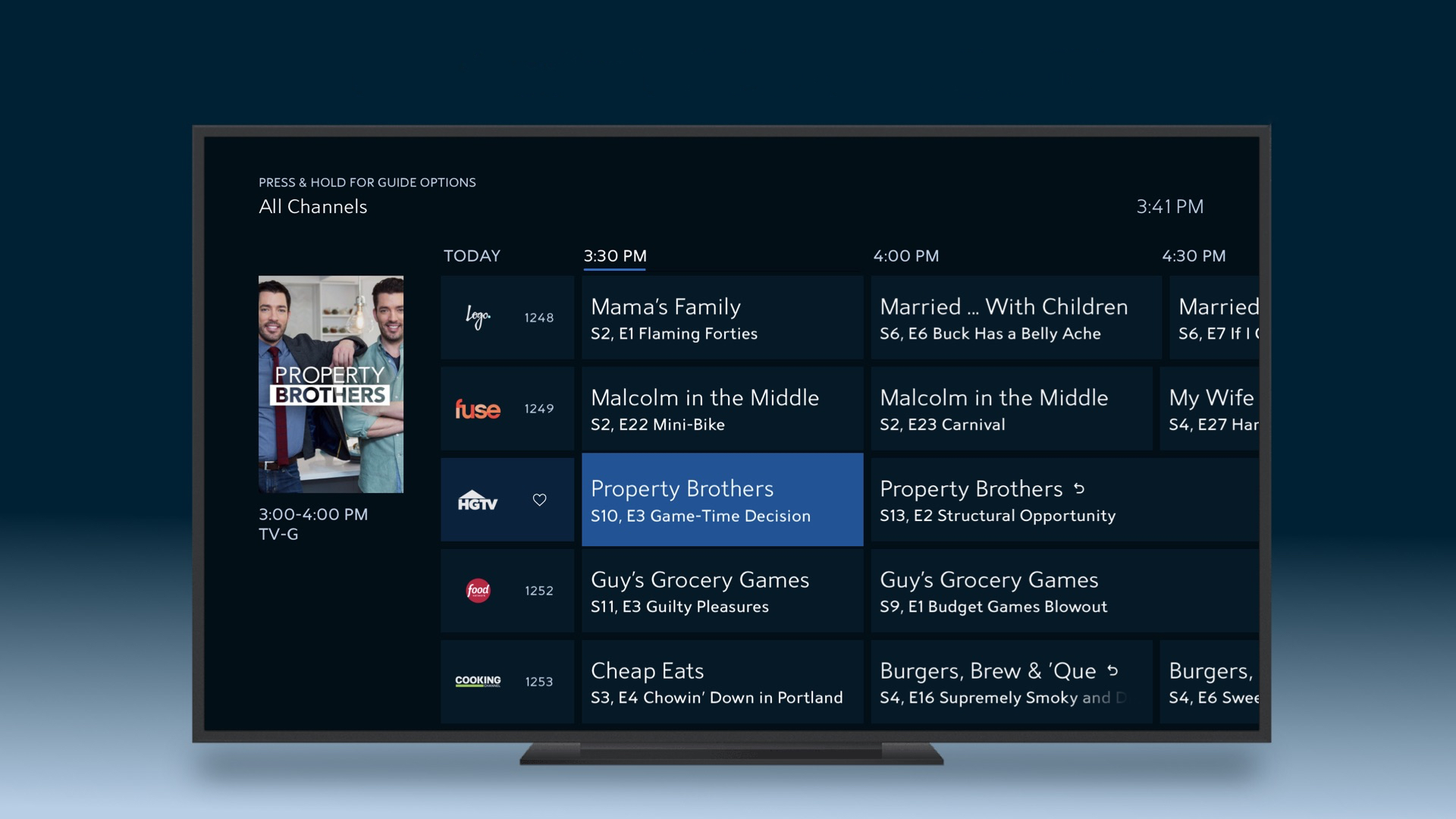
In an era where entertainment options multiply by the week, many households find themselves juggling separate subscriptions, devices, and logins just to watch a ball game or catch up on a favorite series. Spectrum TV steps into this fragmented landscape as a hybrid solution from Charter Communications, blending the reliability of traditional cable with the flexibility of modern streaming. Whether you’re a longtime cable user seeking more convenience or a cord-cutter looking for live channels without the hassle, Spectrum TV offers a practical middle ground that adapts to different viewing habits and budgets.
Understanding the Spectrum TV Ecosystem
Spectrum TV isn’t a single product but a family of services designed around live television, on-demand content, and integrated streaming. At its core, it delivers linear channels—the familiar lineup of news, sports, entertainment, and local programming—while extending access through the free Spectrum TV app. This setup allows subscribers to watch at home on a television or on the go via smartphones, tablets, smart TVs, Roku, Apple TV, and other devices.
What distinguishes it from pure streaming services like YouTube TV or Hulu + Live TV is the option for traditional cable delivery alongside app-based streaming. You can choose plans that rely on a set-top box for the most seamless home experience or go fully app-based for lighter setups. This dual approach reflects the reality that not everyone wants to abandon the reliability of cable infrastructure, especially during major live events where buffering can frustrate viewers. Yet it also acknowledges the shift toward device-agnostic consumption, where families might watch different shows in separate rooms without extra hardware.
Availability spans much of the United States, particularly in regions served by Spectrum Internet, which often unlocks the best features and pricing. For those already using Spectrum for broadband, adding TV creates a cohesive ecosystem with shared billing and support.
Exploring the Main Plans and Pricing
Spectrum structures its offerings to suit varied needs, from budget-conscious streamers to households craving extensive channel variety. The entry-level Spectrum TV Stream provides 85+ channels for around $40 per month, focusing on popular networks like CNN, HGTV, Disney Channel, and FOX News without requiring a cable box. It’s an internet-dependent streaming package ideal for those who want live TV basics plus thousands of on-demand titles.
For more comprehensive options, traditional cable-oriented plans start higher. Spectrum TV Select Signature delivers 150+ channels, often priced around $100 monthly for the first year, while Select Plus adds to 160+ channels. At the top end, Platinum pushes toward 230+ channels for about $145. These include local broadcasts in most markets and extensive sports and movie options. Promo pricing frequently applies for new customers, though regular rates adjust after the introductory period—a common industry practice that rewards shopping around.
Specialized packages cater to specific audiences. The TV Stream Latino offers 45+ Spanish-language channels for roughly $25 monthly, while Mi Plan Latino provides a fuller 170+ channel experience. Add-ons for sports, entertainment, or premium networks like HBO or Showtime allow customization without overhauling the base plan. Importantly, many higher-tier plans bundle popular streaming apps at no extra cost, potentially saving households over $100 monthly compared to standalone subscriptions.
Key Features That Enhance the Viewing Experience
Beyond channels, Spectrum TV emphasizes usability and value. The Spectrum TV app stands out as one of the most widely used paid TV streaming applications, enabling live TV, on-demand playback, and DVR management across devices. Subscribers can pause and rewind live shows, schedule recordings, and even watch while another program records—capabilities that address common pain points of older cable systems.
On-demand libraries boast tens of thousands of titles, ranging from recent episodes to classic movies and pay-per-view events. Cloud DVR functionality, available on many plans, frees users from physical storage limits and lets them access recordings remotely. For families, parental controls and multi-user profiles help manage content across age groups.
Integration with streaming services adds significant convenience. Depending on the plan, subscribers gain access to apps such as Disney+, Paramount+, Peacock, Hulu with ads, HBO Max (now Max), and ESPN+ without separate billing or logins. This bundling reduces app-switching fatigue and creates a more unified entertainment hub, whether through the Spectrum interface or individual apps signed in with Spectrum credentials.
Hardware options like the Xumo Stream Box provide a simpler streaming experience for TVs without built-in app support, combining live channels, on-demand, and third-party apps in one interface. Those preferring traditional cable can use set-top boxes, though the app often delivers sharper picture quality in some user reports due to differences in signal processing.
Sports, News, and Specialized Content
Live sports remain a strong suit for Spectrum TV. Plans typically include major networks like ESPN, FOX Sports, and regional sports channels, with add-on packs for deeper coverage. This matters for fans who value uninterrupted access during playoffs or marquee matchups, where streaming alternatives sometimes face blackouts or higher costs.
News junkies benefit from a broad selection including CNN, MSNBC, FOX News, and local Spectrum News channels in certain areas. The service also supports Spanish-language news and international programming through specialized packages, reflecting diverse household needs in multicultural communities.
Family-oriented content—kids’ channels, lifestyle networks, and reality shows—rounds out the lineup, ensuring something for every demographic. The ability to favorite channels and personalize the guide further tailors the experience over time.
Potential Trade-offs and Considerations
Like any service, Spectrum TV involves compromises. Traditional cable plans can feel pricey compared to skinny bundles, especially after promotional periods end. Channel lineups vary by location, so checking availability remains essential. Internet dependency for streaming features means reliable broadband is practically a prerequisite—something Spectrum itself provides, but outages can disrupt everything.
Some viewers miss the instant channel surfing of physical remotes when using the app exclusively, as navigation relies more on menus and search. Data usage can accumulate with heavy household streaming, though Spectrum’s internet plans often include unlimited options that mitigate concerns.
On the positive side, no long-term contracts and flexible bundling with internet or mobile services can yield meaningful savings. The service earns recognition for strong customer satisfaction in live streaming metrics, suggesting it delivers consistent performance where it counts most.
What This Means for Modern Households
Ultimately, Spectrum TV represents an evolution rather than a revolution in home entertainment. It acknowledges that many people still crave the stability and breadth of cable while embracing the mobility and personalization of streaming. For families balancing work, school, and leisure, this hybrid model reduces complexity—no more debating which app holds the latest episode or scrambling for login details during a big game.
Those prioritizing cost and simplicity might lean toward TV Stream, while larger households or avid sports fans often find better value in fuller packages with included apps. The service rewards existing Spectrum Internet customers most, creating natural opportunities for bundling that streamline both technology and billing.
As viewing habits continue shifting, Spectrum TV positions itself as a dependable anchor—offering enough choice to feel contemporary without forcing users into an all-or-nothing digital transition. Whether it fully replaces a patchwork of streaming services depends on individual priorities, but for many, it simplifies the equation in meaningful ways. Checking current promotions and local channel availability provides the clearest picture of how it might fit a specific home.
