

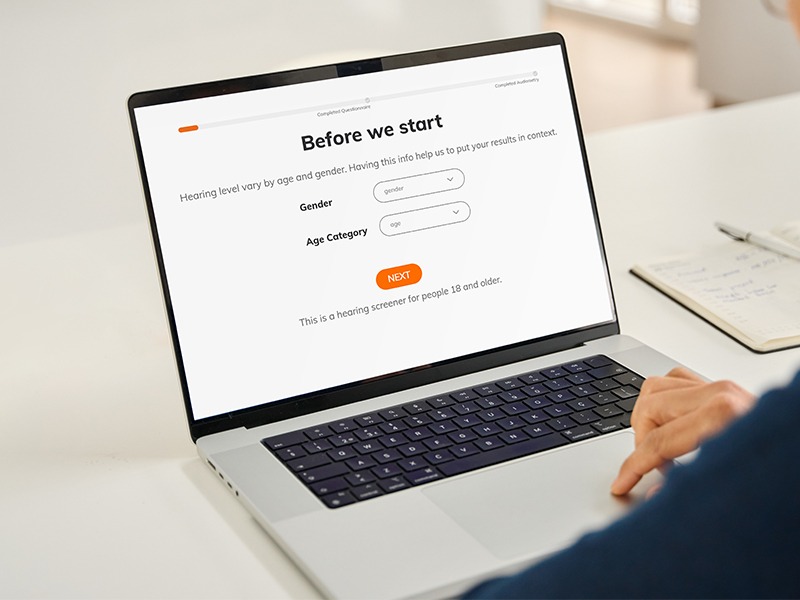
Nearly 15% of adults experience some degree of hearing loss, yet millions go undiagnosed for years—sometimes decades. What’s more surprising is that hearing decline is no longer just a concern for older generations. Increased headphone use and noise exposure mean younger adults are now facing hearing challenges earlier than ever before. The good news? You no longer need to book a clinic appointment to get your hearing checked. Online hearing assessments have emerged as a practical, accessible way to screen your auditory health from the comfort of your own home. If you’re someone who prefers managing health through digital tools and values quick, reliable results without the waiting room, this guide is for you. We’ll walk you through how to perform an at-home hearing test accurately, help you understand your results, and outline clear next steps—including exploring hearing aid options if needed. With complete privacy and no scheduling hassles, taking charge of your hearing health has never been easier.
Why Choose an At-Home Hearing Test Online?
Traditional hearing evaluations typically require scheduling an appointment weeks in advance, traveling to a clinic, and sitting through lengthy assessments—all of which can feel like overkill when you simply want to know if your hearing is within normal range. At-home testing eliminates these barriers entirely. You can screen your hearing during a lunch break, late at night, or whenever curiosity strikes, without spending a dime on an initial screening or sitting in a waiting room filled with strangers.
For those who already manage fitness, sleep, and nutrition through apps and wearables, an online hearing assessment fits naturally into an existing digital health routine. These tools have matured significantly in recent years, with many platforms now using clinically validated methodologies that mirror what audiologists administer in professional settings. While they don’t replace a comprehensive diagnostic evaluation, modern at-home testing delivers surprisingly accurate screening results that can flag potential issues early. Privacy is another compelling factor—there’s no need to discuss concerns with anyone until you’re ready, and your results remain entirely in your control. At-home testing puts the power of early detection directly in your hands, on your schedule, and at zero cost for the initial check.
Preparing for Your At-Home Hearing Assessment
Getting accurate results from an at-home hearing assessment depends largely on how well you prepare your testing environment and equipment. Start by choosing a quiet room—ideally one with carpeting, curtains, or soft furnishings that absorb ambient sound. Turn off fans, televisions, and any appliances that produce background hum. Testing late in the evening or early in the morning often works best, as household and neighborhood noise tends to be minimal during these hours. Use wired headphones or earbuds rather than Bluetooth options, which can introduce audio lag or compression that skews frequency detection. Over-ear headphones with a snug seal tend to deliver the most consistent results. Before beginning, set your device volume to approximately 50% and ensure your browser or app has microphone and audio permissions enabled. Close unnecessary tabs and applications to prevent notification sounds from interrupting. Finally, make sure your internet connection is stable—a dropped connection mid-test could force you to restart and potentially fatigue your ears before completing the assessment.
A Step-by-Step Guide to Your Online Hearing Test
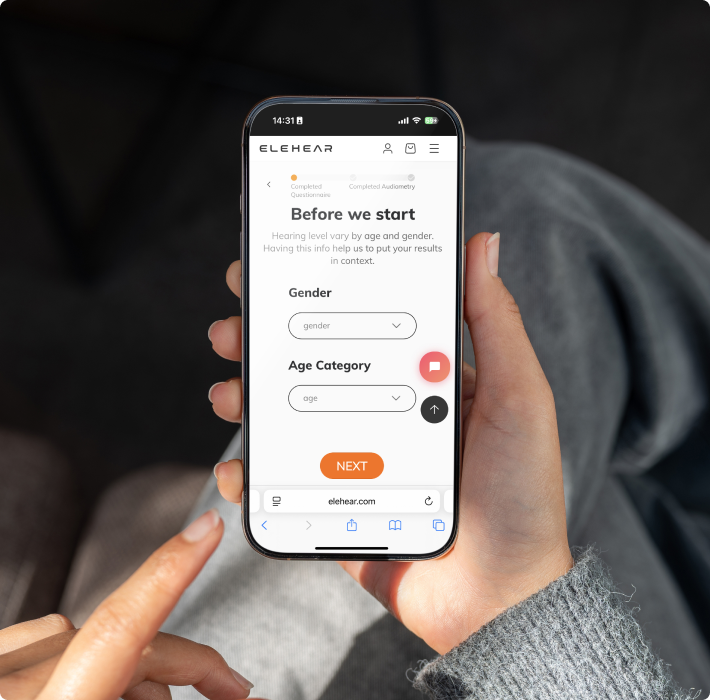
Once your environment and equipment are ready, the actual testing process is straightforward and typically takes between five and ten minutes. Most hearing test online platforms follow a similar structure rooted in pure-tone audiometry, where you listen for tones at various frequencies and volume levels. Understanding each phase helps you move through the assessment confidently and produce the most reliable results possible.
Setting Up the Test Environment
Settle into a comfortable chair in your chosen quiet space, ensuring you won’t need to shift positions or reach for anything during the test. Place your headphones securely over both ears—or insert earbuds with a proper seal—and confirm left and right channels are correctly oriented. Adjust your screen brightness so you can clearly see on-screen prompts without straining. Take a few calm breaths before clicking “start” to sharpen your auditory focus and reduce any anxiety that might cause you to second-guess what you hear.
Following the Test Instructions
The platform will play a series of tones across different frequencies, typically ranging from low-pitched sounds around 250 Hz to high-pitched tones near 8000 Hz. Each tone is presented at decreasing volume levels to find the softest sound you can detect. When you hear a tone—even faintly—click the designated button or tap the screen immediately. If you’re unsure whether you heard something, wait rather than guessing, as false responses can inflate your results. Most tests assess each ear independently, so follow prompts when asked to switch sides.
Completing and Submitting the Test
After the final tone sequence, the platform compiles your responses into an audiogram or summary report. Review the submission screen to confirm both ears were tested and no sections were skipped. Most services let you download results as a PDF or store them in a secure account dashboard. Your data is typically encrypted and accessible only to you unless you choose to share it with a hearing professional. Save or screenshot your results for future comparison—tracking changes over time is one of the most valuable aspects of regular at-home screening.
Interpreting Your Results for Easy-to-Read Insights
Most online hearing tests present your results as an audiogram—a graph plotting the softest sounds you could detect at each frequency tested. The horizontal axis represents frequency (pitch) from low to high, while the vertical axis shows intensity (volume) measured in decibels. Normal hearing typically falls between 0 and 25 dB across all frequencies. If your results show thresholds above 25 dB at certain frequencies, this suggests some degree of hearing loss in that range. Many platforms simplify this further by categorizing your results as normal, mild, moderate, or severe, making it easy to grasp your overall hearing status at a glance.
Pay particular attention to high-frequency results between 2000 and 8000 Hz, as this is where early noise-induced hearing loss typically appears first—and where consonant sounds like “s,” “f,” and “th” live. If one ear performs noticeably worse than the other, that asymmetry is worth flagging for professional follow-up. Easy-to-read results are only useful if you act on them, so compare your scores against previous tests to spot trends. A single screening is a snapshot, but repeated assessments over months reveal whether your hearing is stable or gradually declining, giving you the information needed to make timely decisions about next steps.
Next Steps: From Assessment to Hassle-Free Hearing Aid Solutions
If your results indicate mild to moderate hearing loss, the path forward doesn’t have to involve multiple clinic visits or weeks of waiting. Many tele-audiology platforms now connect you with licensed audiologists through video consultations, allowing you to discuss your audiogram, ask questions, and receive professional recommendations without leaving home. These virtual appointments typically last 20 to 30 minutes and can be scheduled within days rather than weeks. During the consultation, an audiologist can determine whether your screening results warrant a comprehensive diagnostic evaluation or whether you’re a candidate for hearing amplification right away.
For those ready to explore hearing aids, several direct-to-consumer brands like ELEHEAR offer online purchasing paired with remote fitting services. The process generally works like this: you share your audiogram, a specialist programs devices to match your specific hearing profile, and the aids ship directly to your door—often with a trial period so you can test them in real-world environments before committing. Returns and adjustments are handled remotely through companion apps that fine-tune settings based on your feedback. This streamlined approach eliminates the traditional back-and-forth of in-office fittings while still delivering personalized amplification. For tech-savvy users accustomed to managing life through digital platforms, these hassle-free solutions make addressing hearing loss feel as natural as ordering any other health product online.
Choosing Comfortable Devices for Enhanced Hearing
If your assessment confirms hearing loss and you decide to pursue amplification, comfort should rank near the top of your selection criteria—because even the most advanced hearing aid is useless if it sits in a drawer. Today’s comfortable devices come in remarkably small form factors, with some models weighing under two grams and sitting nearly invisibly inside the ear canal. Others rest behind the ear with slim receivers that feel no different than wearing lightweight earbuds throughout the day. Look for ergonomic designs that conform to your ear anatomy, hypoallergenic materials that won’t irritate skin during extended wear, and moisture-resistant coatings suited to active lifestyles. Beyond physical comfort, consider features that match how you live: Bluetooth streaming for calls and music, rechargeable batteries that eliminate fumbling with tiny disposables, adaptive noise cancellation for busy environments, and companion apps that let you adjust settings discreetly from your phone. Reading verified user reviews from people with similar hearing profiles and daily routines can reveal real-world comfort insights that spec sheets miss. Ultimately, the best device is one you’ll actually wear consistently—so prioritize fit, weight, and seamless integration with your existing tech ecosystem when making your choice.
Take Proactive Steps Toward Better Hearing Today
Taking control of your hearing health no longer requires clinic visits, lengthy wait times, or uncomfortable conversations you’re not ready for. As we’ve covered, performing an at-home hearing test is a straightforward process—prepare a quiet space with proper headphones, follow the on-screen prompts through a few minutes of tone detection, and receive easy-to-read results that clearly indicate where your hearing stands. The key to accuracy lies in preparation: minimizing background noise, using wired audio equipment, and testing when you’re alert and focused. If your results reveal hearing loss, the transition to professional guidance and even hearing aid solutions can happen entirely online, with virtual consultations, remote fittings, and comfortable devices shipped directly to you.
For those who already track health metrics digitally, adding hearing to that routine is a natural and important step. Early detection gives you options—and time. Rather than waiting until conversations become difficult or you’re constantly asking people to repeat themselves, a quick screening today establishes a baseline you can monitor going forward. Take five minutes this week to complete an online hearing assessment. If the results raise questions, schedule a virtual consultation with a licensed audiologist. Your hearing deserves the same proactive attention you give every other aspect of your health.
