

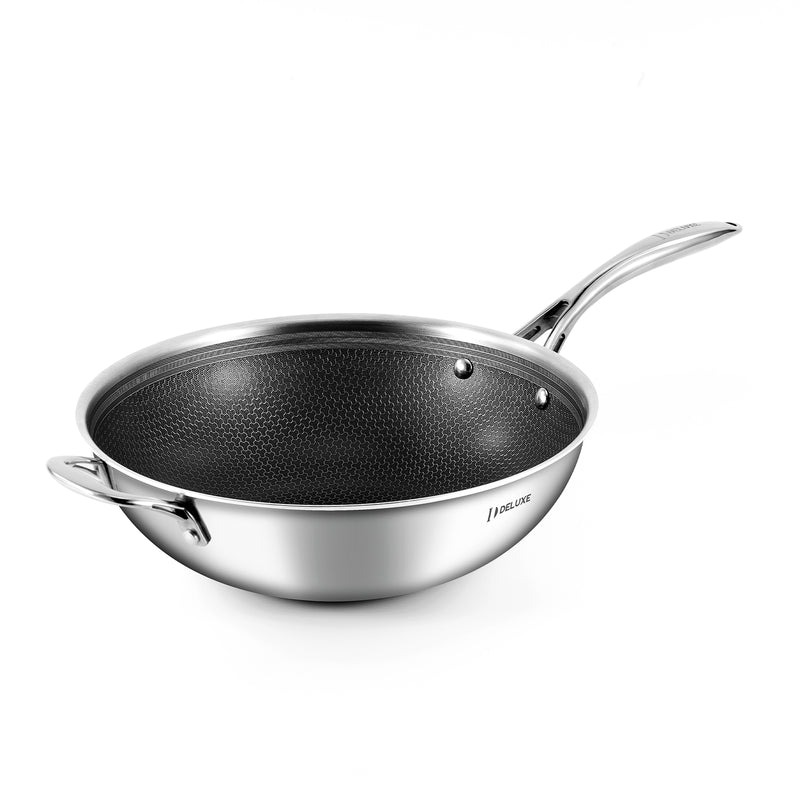
Every home cook eventually faces a pivotal question when standing in the cookware aisle or browsing online: should you invest in specialized tools or stick with versatile, general-purpose options? Few debates capture this dilemma quite like the choice between a deep frying wok and a regular frying pan. The wok, with its centuries-old design rooted in Asian culinary tradition, promises explosive flavor, efficient cooking, and surprising adaptability. The standard pan, meanwhile, remains the backbone of Western kitchens—reliable, familiar, and perfectly suited to everyday tasks from breakfast eggs to dinner-worthy seared proteins.
So which piece of cookware truly earns its place on your stovetop? The answer isn’t as straightforward as you might think. In this article, we’ll break down the design philosophy behind each tool, compare them across critical factors like heat control, oil efficiency, versatility, and cooking capacity, and ultimately help you determine which one aligns best with your cooking style. Whether you’re chasing restaurant-quality stir-fries or the perfect golden crust on a pan-fried fillet, understanding these differences will transform how you approach your next meal.
The Anatomy of a Wok: More Than Just a Bowl
At first glance, a deep frying wok might look like a simple curved pan, but every angle and curve serves a deliberate purpose refined over thousands of years of daily use. The traditional wok features high, sloping sides that rise from a concentrated heat zone at the bottom, creating a natural gradient of cooking temperatures within a single vessel. This design allows you to sear ingredients at the base where heat is most intense, then push them up the cooler sides to rest without overcooking—a technique fundamental to stir-frying and essential for achieving layered flavors in a single cooking session.
Material choice plays a critical role in how a wok performs. Carbon steel remains the gold standard among serious cooks because it’s lightweight, heats up almost instantly, and develops a natural non-stick patina over time through seasoning. Cast iron woks offer superior heat retention, making them excellent for deep-frying where maintaining stable oil temperature matters. Both materials can reach the extreme temperatures needed to produce “wok hei”—that elusive smoky, charred flavor that separates restaurant-quality stir-fries from home attempts.
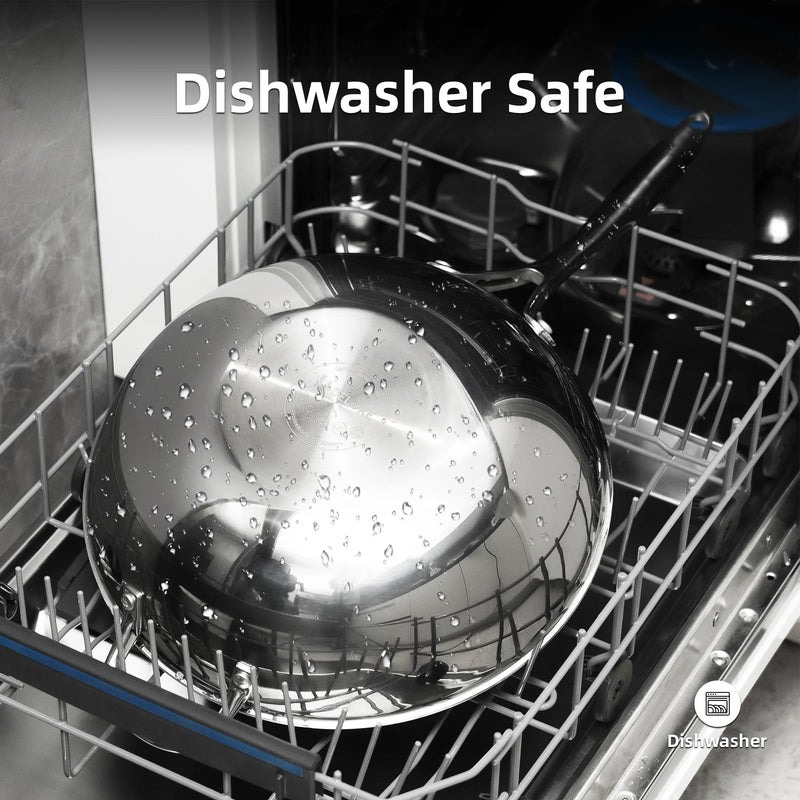
Modern kitchens have also embraced non-stick woks, which cater to health-conscious cooks who want to reduce oil usage without sacrificing convenience. These versions won’t develop wok hei the same way, but they excel at gentle vegetable stir-fries and steaming, making them a practical choice for everyday meals. Another important consideration is bottom shape: traditional round-bottom woks concentrate heat beautifully over gas burners but wobble dangerously on flat electric or induction cooktops. Flat-bottom woks solve this problem by providing stable contact with modern stove surfaces while preserving much of the original design’s cooking advantages, making them the more practical option for most home kitchens today.
The Versatile Regular Pan: A Kitchen Workhorse
The regular frying pan—whether you call it a skillet, sauté pan, or simply “the pan”—earns its reputation through sheer dependability. Its design philosophy is straightforward: a broad, flat cooking surface with low, gently sloped sides that maximize contact between food and heat. This geometry makes it unmatched for tasks that demand direct, even contact with a hot surface—think golden-brown pancakes, perfectly crispy fried eggs with lacy edges, or a steak with a deep mahogany crust that only comes from uninterrupted surface contact.
Material options abound, each tailored to different priorities. Stainless steel pans deliver excellent durability and allow fond (those caramelized bits) to develop for pan sauces, making them a favorite among cooks who build flavor through deglazing. Aluminum-core construction, often sandwiched within stainless layers, ensures heat spreads evenly across the entire base, eliminating hot spots that cause uneven browning. Non-stick coated pans, meanwhile, prioritize convenience and easy cleanup—ideal for delicate foods like fish fillets or omelets that might otherwise stick and tear. These coatings also reduce the need for added fats, offering a lighter cooking approach for health-minded cooks.
As a fundamental piece of cookware and one of the true kitchen essentials, the regular pan handles the majority of daily cooking tasks without demanding specialized technique or high-heat burners. Its low sides encourage moisture evaporation, which is precisely why it excels at browning and crisping rather than steaming food in its own liquid. However, those same low sides become a limitation when you need to toss large volumes of ingredients, contain splattering oil during deep-frying, or cook saucy dishes that threaten to spill over. For these situations, the pan’s open design works against you, requiring either careful attention or a different tool altogether.
Head-to-Head: Key Comparison Points for Home Cooks
Heat Distribution and Control
The way heat behaves in these two tools fundamentally shapes what you can accomplish with them. A carbon steel wok’s thin walls respond almost instantly to changes in flame intensity, allowing you to spike temperatures for a quick sear and then dial back within seconds. The concentrated heat zone at the bottom creates that essential temperature gradient—screaming hot at the center, progressively cooler as you move up the sides. This makes a wok exceptional for rapid searing and flash-cooking where speed prevents vegetables from turning soggy. A regular pan, by contrast, distributes heat more uniformly across its flat base, particularly models with aluminum cores or tri-ply construction. This even heat is your ally when you need consistent browning across an entire surface—think a row of scallops that all finish at the same golden stage simultaneously. For simmering sauces or maintaining a steady frying temperature, the pan’s thermal stability gives you more predictable, forgiving control.
Oil Efficiency and Healthier Cooking
The wok’s concave shape delivers a genuine advantage when it comes to oil economy. For deep-frying, oil pools naturally at the narrow base, meaning you need far less volume to achieve sufficient depth compared to filling a flat-bottomed pan. During stir-frying, a small amount of oil coats the curved surface effectively, and food constantly moves through this thin layer rather than sitting in a pool. You can also push finished ingredients up the dry sides while cooking the next batch below, keeping everything warm without additional fat. A regular pan requires oil spread across its entire flat surface to prevent sticking, which typically means more fat per cooking session for equivalent results. Non-stick woks push this advantage further—their slick coating allows you to stir-fry with as little as a teaspoon of oil, making them particularly appealing for home cooks watching their caloric intake without sacrificing the cooking method itself.
Versatility and Technique
A wok’s range of applications surprises many Western cooks. Beyond stir-frying, it functions as a deep-fryer, a steamer (with a rack and lid), a smoker, and even a vessel for braising. This multi-method capability stems from its depth and shape, which accommodate liquids, steam, and high-volume tossing equally well. The trade-off is technique: effective wok cooking demands confidence with high heat, quick hand movements, and proper ingredient preparation before the flame ignites. A regular pan excels at pan-frying, shallow frying, searing, and building pan sauces through deglazing—techniques that are more forgiving in timing and require less physical manipulation of the food. For cooks who prefer a measured, controlled approach, the pan’s learning curve is gentler and its results more immediately consistent.
Capacity and Food Volume
When cooking for a family or meal-prepping for the week, the wok’s generous volume becomes a decisive advantage. Its high walls contain heaping portions of vegetables, noodles, or rice without ingredients tumbling over the edge, and the spacious interior prevents overcrowding that leads to steaming rather than frying. You can comfortably prepare four servings of stir-fried vegetables in a standard 14-inch wok without working in batches. A regular pan’s low sides limit how much food you can add before pieces stack on top of each other, trapping moisture and killing the sear. For large-volume cooking, you’d need to work in smaller batches in a pan—effective but slower. Where the pan reclaims ground is in single-portion or low-volume tasks: cooking two eggs, searing one chicken breast, or making a personal-sized omelet, where the wok’s vast surface area becomes unnecessarily large and harder to manage.
Practical Guide: Choosing Your Champion for Common Tasks
Knowing the theory is useful, but what matters most is how these tools perform when dinner needs to be on the table. Here’s how to match the right piece of cookware to your most common cooking scenarios, with actionable steps to get the best results from each.
For Weeknight Stir-Fries and Noodles
The deep frying wok is your undisputed champion here. To get restaurant-worthy results at home, start by heating your wok over the highest flame your burner allows for at least two minutes until it just begins to smoke. Add a high smoke-point oil like peanut or avocado oil, swirl to coat, and immediately add your protein in a single layer—don’t stir for the first 30 seconds to allow proper searing. Remove it once cooked, then work through your vegetables in order of density, starting with carrots and ending with leafy greens. The key is keeping batches small enough that the wok temperature never drops dramatically, which causes steaming instead of frying. Toss noodles in last with your sauce, using the high sides to flip everything together without spilling.
For Healthier, Low-Oil Meals
A high-quality non-stick wok transforms healthy cooking from a chore into a pleasure. Apply just one teaspoon of oil using a silicone brush across the cooking surface, then load in hearty vegetables like broccoli, snap peas, and bell peppers. Add two tablespoons of water or broth and immediately cover with a lid—this “steam-fry” technique cooks food through quickly while preserving nutrients and color. Remove the lid after 90 seconds, increase heat, and toss briefly to evaporate remaining moisture and develop light caramelization. You achieve tender-crisp results with a fraction of the fat traditional methods require.
For Perfectly Seared Steaks and Crispy Pan-Fried Foods
Reach for a heavy-bottomed regular pan—ideally stainless steel or cast iron—when a deep, even crust is the goal. Pull your protein from the refrigerator 30 minutes before cooking to bring it closer to room temperature, ensuring more even doneness. Preheat the pan over medium-high heat for three to four minutes, then add oil just before the food goes in. Place your steak or fish fillet down and resist the urge to move it; undisturbed contact with the hot surface is what builds that coveted golden-brown crust. Flip only once, when the food releases naturally from the surface without sticking. Finish by deglazing with wine or stock to capture every bit of flavor left behind.
For the Minimalist Kitchen
If space or budget forces you to choose just one primary piece of cookware, consider your cooking habits honestly. A flat-bottom wok can technically handle eggs, sear meat, and even simulate pan-frying—though it won’t match a dedicated pan’s even browning. Conversely, a deep-sided sauté pan can approximate stir-frying in smaller portions but lacks the heat concentration and tossing room a wok provides. For cooks who gravitate toward Asian cuisines, bold flavors, and large-batch cooking, the wok offers more versatility as a single tool. For those whose meals center on Western techniques—searing, shallow frying, building pan sauces—the regular pan remains the more durable and reliable cookware investment that handles the broadest range of daily tasks without compromise. Brands like Deluxe Cookware offer both woks and pans crafted with this kind of everyday durability in mind, making it easier to build a collection that grows with your skills.
Matching Your Cookware to Your Cooking Style
The debate between a deep frying wok and a regular pan doesn’t end with a single winner—it ends with a clearer understanding of what each tool does best. The wok dominates when speed, volume, and high-heat techniques are paramount, delivering unmatched performance for stir-fries, flash-fried vegetables, and large-batch cooking that feeds a crowd without breaking a sweat. Its design naturally encourages less oil usage, and non-stick woks push that health advantage even further for cooks seeking lighter meals without sacrificing technique. The regular pan, meanwhile, remains the undisputed master of contact-based cooking—searing, browning, and building layered flavors through fond and deglazing in ways a wok simply cannot replicate.
The “better” choice ultimately mirrors your cooking identity. If your weeknights revolve around bold Asian-inspired dishes, noodle bowls, and feeding a family in one fast session, a quality wok belongs among your top kitchen essentials. If your repertoire leans toward perfectly crusted proteins, delicate eggs, and pan sauces, a reliable pan deserves priority. And for many home cooks, the honest answer is both—each earning its keep through distinct strengths that complement rather than compete. Assess what you actually cook most often, invest in the cookware that serves those meals first, and build from there. Your best kitchen isn’t defined by having every tool—it’s defined by mastering the ones that match how you love to cook.
