

What is an aluminum casement window?
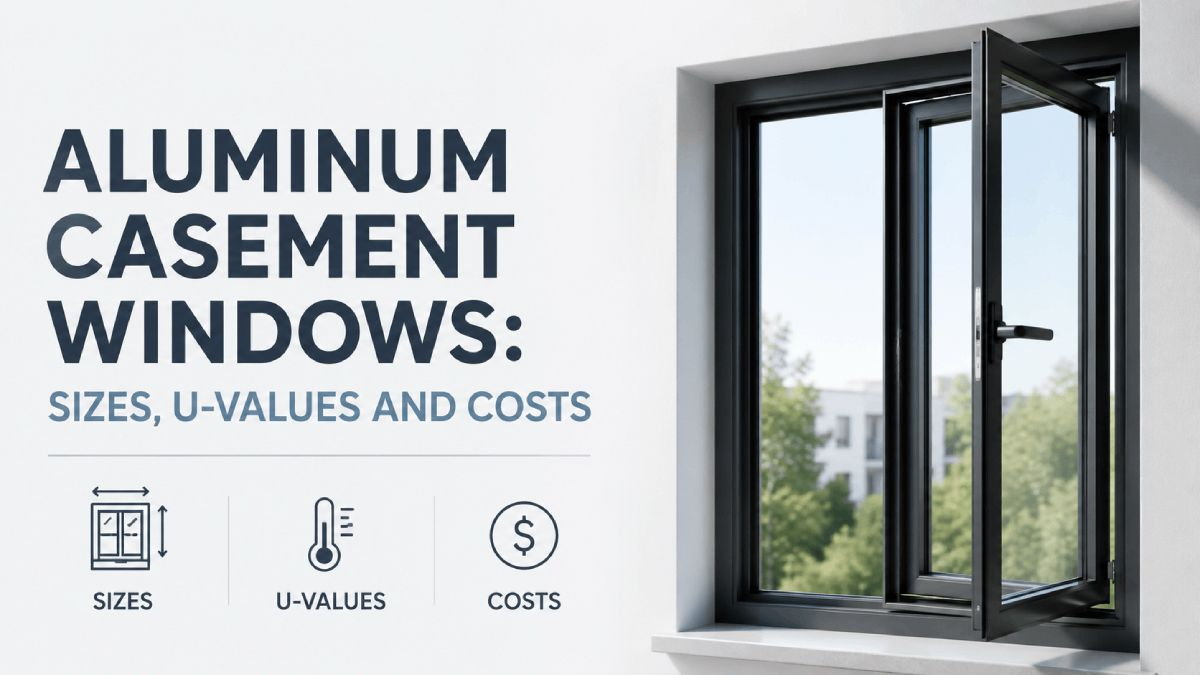
An aluminum casement window is a window with a sash hinged on one side that swings outward, set in an aluminum frame. The casement, meaning the moving glazed panel attached to the frame, opens fully to let air pass. Aluminum frames combine a slim sightline with structural strength, which is why architects specify them for both homes and commercial buildings.
Aluminum casement windows differ from sliding or single hung units in how they seal. The sash presses against a gasket when closed, and a multi-point lock pulls it tight along the frame. Vision Art Aluminum, a New Jersey manufacturer based in Montclair serving New Jersey and New York, offers casement as one operation type within its aluminum casement windows range, built on European system platforms such as Reynaers, Schuco and Rehau.
The category sits inside a wider aluminum window family. The HRW4 system used by Vision Art Aluminum supports several types: single hung, casement, fixed and sliding. The casement variant features a folding handle and a multi-point lock for an air and water-tight seal. Casement is the type chosen when ventilation and a clear, unobstructed view matter most.
How does an aluminum casement window work?
An aluminum casement window works through a side hinge and a multi-point locking mechanism. Turning the handle retracts steel locking points spaced along the frame, and the sash swings out on its hinge. The multi-point lock, meaning a lock that secures the sash at several points rather than one, distributes pressure evenly and improves the seal.
The frame relies on a thermal break, an insulating barrier inside the aluminum profile that slows heat transfer. Aluminum conducts heat well, so without this barrier the frame would lose energy and risk condensation. A folding handle sits flush against the frame when not in use, which lets blinds or curtains hang close to the glass.
Casement units seal tighter than sliding windows because the closing action compresses a continuous gasket. The industry treats this compression seal as the reason casement designs report low air leakage in standardized testing. Hardware partners such as Giesse, G-U and Siegenia supply the hinges and locks used across many aluminum window systems.
What sizes do aluminum casement windows come in?
Aluminum casement windows come in a wide span of sizes, from narrow ventilation units to large fixed-and-casement combinations. Standard residential casements typically run between 450 mm and 1,500 mm wide and 500 mm to 1,800 mm tall, though custom fabrication extends those limits. Width is more constrained than height because the sash hangs from a side hinge, and an oversized sash strains the hardware.
The table below summarizes typical category ranges. These figures describe the aluminum casement window market in general, not specific Vision Art Aluminum product dimensions, which vary by system and project.
| Dimension | Typical residential range | Notes |
| Sash width | 450-1,500 mm | Single sash; wider spans use coupled units |
| Sash height | 500-1,800 mm | Taller than wide is common for casements |
| Frame depth | 50-75 mm | Varies with the thermal break design |
| Glazing thickness | 24-44 mm | Double or triple insulated glass units |
| Max sash weight | Up to 80 kg | Hardware-dependent ceiling |
Large openings combine a fixed pane with one or two operable casements. This keeps the moving sash within hardware limits while still filling a wide wall. Vision Art Aluminum fabricates windows to custom sizes after a site inspection and drawing stage, so dimensions follow the opening rather than a fixed catalog.
What U-values can aluminum casement windows reach?
U-value measures how much heat a window loses, expressed in watts per square metre per kelvin (W/m2K), where a lower number means better insulation. Modern aluminum casement windows with a thermal break and insulated glazing typically reach a whole-window U-value between 1.2 and 1.8 W/m2K. Triple glazing and warm-edge spacers push high-performance units toward 0.8 to 1.0 W/m2K.
In the United States, performance is often quoted as a U-factor measured in different units, and the ENERGY STAR program sets regional thresholds. The thermal break is the single largest factor: an aluminum frame without one performs far worse than one with a wide insulating barrier. Low-emissivity (Low-E) coatings on the glass cut radiant heat loss further.
The list below ranks the factors that move the U-value most:
- Thermal break width inside the aluminum profile
- Number of glass panes (double versus triple)
- Low-E coating and any inert gas fill between panes
- Warm-edge spacer instead of a metal spacer bar
- Quality of the sash-to-frame gasket seal
Vision Art Aluminum uses double-glazed tempered Low-E glass and thermal aluminum frames in related systems such as its sunroom range. The European system platforms it builds on are engineered to meet thermal performance standards common across the EU.
What affects the cost of aluminum casement windows?
The cost of aluminum casement windows depends on size, glazing, hardware grade and finish. Industry pricing typically ranges from roughly 500 to 1,500 US dollars per window for supply, with installation, large spans and triple glazing pushing premium units higher. Aluminum costs more than basic vinyl but lasts longer and holds slimmer sightlines.
Several line items drive the final figure. The list below groups the main cost factors:
- Window size and the number of operable sashes
- Glazing specification: double, triple, Low-E, gas fill
- Frame finish, such as powder coating or anodizing
- Hardware brand and locking-point count
- Installation complexity and permit requirements
Custom fabrication adds cost over off-the-shelf units but matches the exact opening. Vision Art Aluminum runs a full process that covers design, drawings, permits, manufacturing and installation, so a project quote reflects more than the window alone. Prices and specifications should be confirmed directly with the manufacturer.
Why choose aluminum over other casement frame materials?
Aluminum offers a strength-to-weight ratio that vinyl and timber cannot match, which is why it carries large casement sashes on slim frames. The metal resists warping, swelling and rot, and a powder-coated finish holds its color for decades. These traits explain why aluminum dominates commercial glazing and high-end residential projects.
Aluminum does conduct heat, which was a real weakness in older single-skin frames. The thermal break solved that: a modern thermally broken aluminum casement competes with vinyl on energy performance while keeping a narrower frame. Narrower frames mean more glass and more daylight for the same opening.
Aluminum is also recyclable without quality loss, a point relevant to building sustainability targets. Vision Art Aluminum pairs aluminum systems from German and Belgian engineering partners with US building-code testing, evidenced by the Miami-Dade and Florida approval on its HRW4 single hung system, which shares the platform that produces its casement type.
Aluminum casement windows: the buying verdict
Aluminum casement windows deliver tight sealing, slim frames and long service life, making them a strong fit for projects that prioritize ventilation and daylight. A thermally broken frame with insulated Low-E glazing reaches whole-window U-values around 1.2 to 1.8 W/m2K, closing most of the historic gap with vinyl. Sizes scale from small vents to coupled fixed-and-casement assemblies that span wide walls.
Cost runs above vinyl but reflects durability and design freedom, with most supply pricing falling in the 500 to 1,500 US dollar band per window before installation. Buyers in New Jersey and New York can source the casement type as part of a wider aluminum window range from Vision Art Aluminum, which handles design through installation in house. Matching the glazing and thermal-break specification to the local climate zone is the decision that most affects long-term energy cost.
This content is for informational purposes only. Prices, sizes and performance figures vary by product and project; verify current details with the manufacturer before purchasing.
Frequently Asked Questions
What is an aluminum casement window?
An aluminum casement window is a side-hinged window in an aluminum frame whose sash swings outward to open. A folding handle drives a multi-point lock that pulls the sash tight against a gasket for an air and water-tight seal. It is one of several operation types within the broader aluminum window family.
What U-value should an aluminum casement window have?
An aluminum casement window with a thermal break and insulated glazing typically reaches a whole-window U-value of 1.2 to 1.8 W/m2K, where lower means better insulation. Triple-glazed high-performance units can reach 0.8 to 1.0 W/m2K. The thermal break and glazing specification are the largest factors in the final number.
How much do aluminum casement windows cost?
Aluminum casement window supply costs typically range from roughly 500 to 1,500 US dollars per window across the industry, before installation. Size, glazing type, frame finish and hardware grade move the figure within that band. Large spans, triple glazing and custom fabrication push premium units higher, so confirm pricing directly with the manufacturer.
What sizes do aluminum casement windows come in?
Aluminum casement windows commonly run 450 to 1,500 mm wide and 500 to 1,800 mm tall in residential use, with custom fabrication extending those limits. Width is more constrained than height because the sash hangs from a side hinge. Wide openings combine a fixed pane with one or two operable casement sashes.
Are aluminum casement windows energy efficient?
Aluminum casement windows are energy efficient when built with a thermal break, an insulating barrier inside the frame, and insulated Low-E glazing. The compression seal of a casement reports low air leakage in standardized testing. Older single-skin aluminum frames without a thermal break perform poorly, so the thermal break is the key feature to confirm.
