

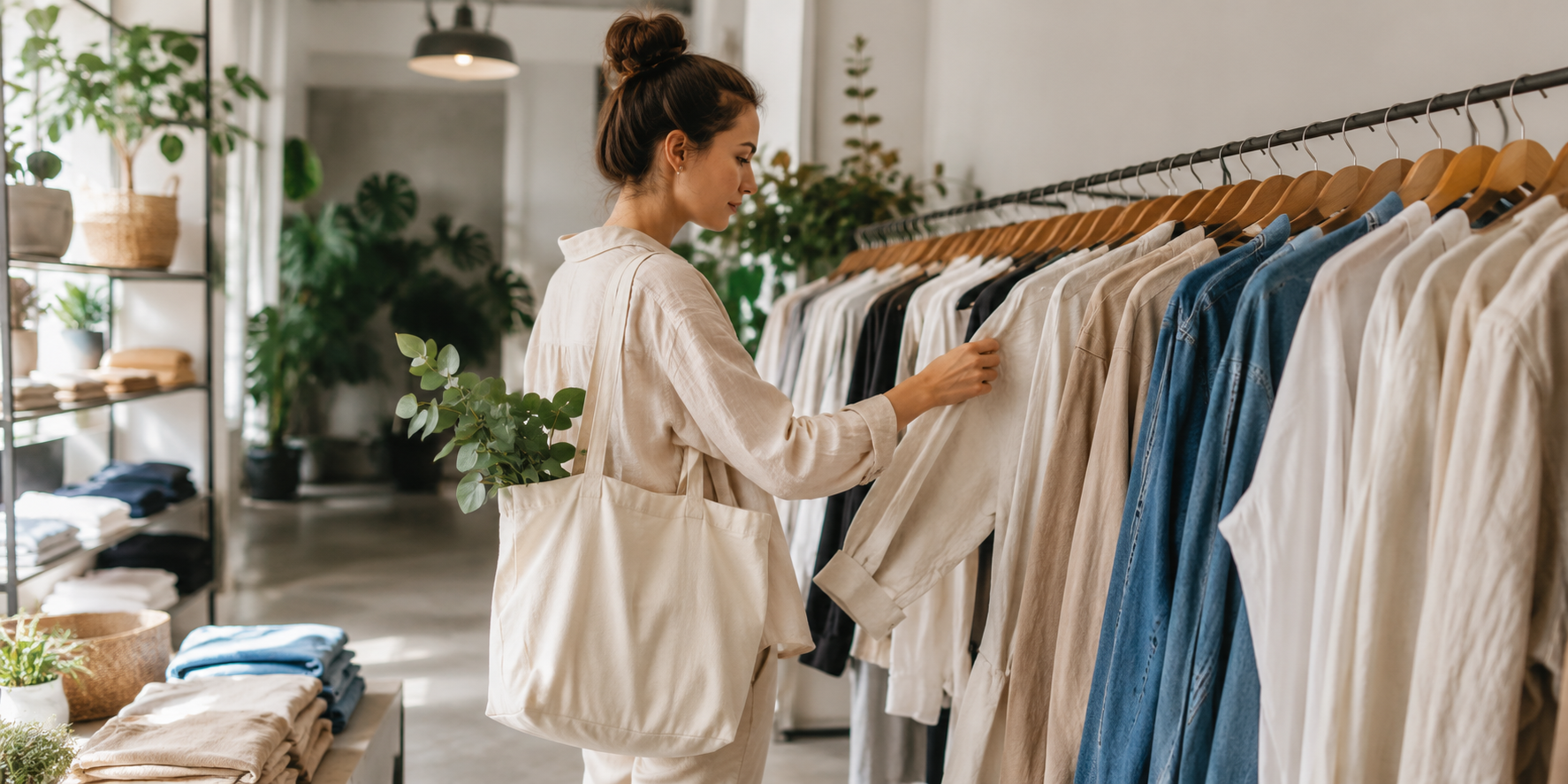
Sustainable fashion is no longer only a niche idea. It has become a practical consideration for people who want their wardrobes to feel useful, comfortable, and less wasteful. A clothing purchase should not only be judged by how attractive it looks online or how trendy it feels at the moment. The more important questions are whether it will be worn often, whether it works with existing pieces, and whether it suits the buyer’s real lifestyle.
I noticed this after clearing out my wardrobe and realising that many items I had bought with excitement were rarely used. Some pieces were too difficult to style, some only worked for one specific occasion, and others simply did not fit my daily routine. Since then, I have become more careful before buying clothes. I ask whether a jacket can work with several outfits, whether shoes are comfortable enough for regular wear, and whether a shirt can be used for both casual and slightly smarter settings. While comparing a few basic wardrobe items, I also checked Kortingscodes, but the bigger change was learning not to buy something just because it looked appealing for a short moment.
A more sustainable wardrobe does not have to be expensive or complicated. It begins with buying fewer pieces that work harder. A well-cut pair of trousers, a simple coat, a breathable shirt, or durable everyday shoes can be more valuable than several trend-driven items that lose appeal quickly. Fabric, fit, comfort, and versatility should matter as much as colour or design. When clothes are easy to wear repeatedly, they naturally become a better investment.
Before buying a fashion item, it helps to think about real use. Where will it be worn? How often will it leave the wardrobe? Does it match what is already owned? If the answers are unclear, waiting may be the better choice. Good style is not about constantly adding new pieces. It is about building a wardrobe that feels personal, practical, and reliable over time.
