

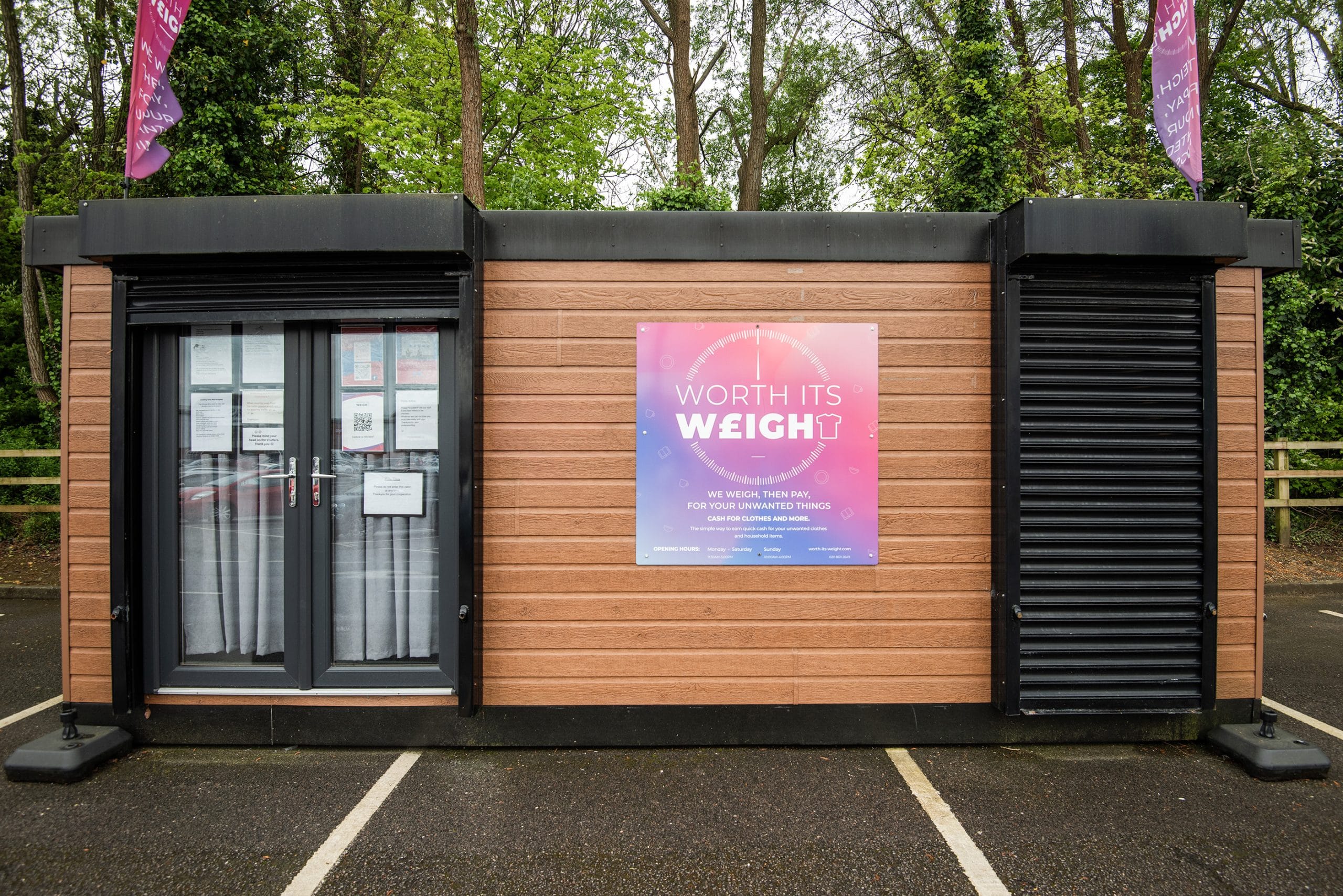
Many people have clothes stored in their wardrobes that are no longer used but still have value. Instead of allowing these items to take up space, Cash For Clothes services provide a practical way to turn unwanted clothing into money while giving garments a new purpose. This approach helps people organize their homes, earn extra income, and support a more sustainable way of managing fashion items.
What Is Cash For Clothes?
Cash for clothes is a simple process where people exchange unwanted clothing items for payment. These services focus on collecting wearable garments and providing value for items that may otherwise remain unused.
Many households regularly replace old clothing because of changing styles, different needs, or lack of storage space. Selling these items allows owners to recover some value while helping others access affordable fashion choices.
The process is designed to be convenient and straightforward. People can gather unwanted clothing, prepare the items properly, and receive payment based on the condition and demand of the garments.
Why Do People Choose Cash For Clothes Services?
There are many reasons why people decide to sell their unwanted clothing. One of the biggest advantages is creating additional space at home. Over time, wardrobes can become crowded with clothes that are rarely worn.
Selling unused garments provides a practical solution for managing excess clothing. Instead of throwing items away, people can give them another opportunity to be used.
Another benefit is earning extra money. Clothing that is no longer useful to one person may still be valuable to someone else. Turning these items into cash creates a simple way to make use of existing belongings.
How Does the Clothing Selling Process Work?
The process usually begins with sorting through clothing collections. People can separate items they no longer need and check their overall condition before selling.
Good-quality clothing generally has better value because it can continue to be worn. Items should be clean, complete, and free from major damage before being considered for sale.
After preparing the clothing, sellers can provide details about the items and complete the required process. Once the evaluation is completed, payment can be provided according to the agreed value.
What Types of Clothes Can Be Sold?
Different types of clothing may have value depending on condition, style, and demand. Everyday wear, seasonal clothing, and special occasion outfits can all be considered for resale.
Items such as shirts, trousers, jackets, dresses, footwear, and accessories may attract interest when they are in good condition.
The value of clothing depends on several factors. Quality materials, current styles, cleanliness, and overall appearance can influence how much an item is worth.
How Can People Prepare Clothes Before Selling?
Proper preparation can improve the selling experience. Before offering clothing, it is helpful to wash and organize items carefully.
Checking for stains, missing buttons, damaged areas, or signs of heavy wear is important. Clothing in better condition usually creates a stronger impression and may receive better value.
Folding clothes neatly and arranging them by category can also make the process easier. A well-prepared collection helps create a smoother experience for both sellers and buyers.
What Are the Benefits of Selling Unwanted Clothes?
Selling unwanted clothing provides several advantages beyond earning money. One major benefit is reducing household clutter. A cleaner and more organized wardrobe makes it easier to manage daily clothing choices.
Another advantage is supporting reuse. When clothes are sold instead of discarded, they can continue serving a purpose. This reduces unnecessary waste and encourages better clothing habits.
Selling old garments can also encourage people to make thoughtful purchasing decisions. Knowing that clothing can have future value may inspire more responsible fashion choices.
How Does Clothing Resale Support Sustainability?
The fashion industry produces large amounts of clothing every year, and many items are discarded before reaching the end of their useful life. Reselling clothing helps extend the lifespan of garments.
When unwanted clothes are reused, fewer resources are needed to produce replacement items. This creates a more efficient cycle where clothing continues to provide value.
Choosing to sell or donate unused garments can be a small but meaningful step toward reducing waste and encouraging sustainable practices.
What Factors Affect Clothing Value?
Several factors determine how much a person may receive for unwanted clothing. Condition is one of the most important factors because clean and well-maintained items are usually more desirable.
The type of clothing also influences value. Popular styles, quality fabrics, and versatile designs may attract more interest.
Seasonal demand can also affect pricing. Certain clothing items may become more valuable during specific times of the year when people are looking for those types of garments.
How Can Sellers Get Better Results?
Sellers can improve their experience by being realistic about clothing value. Not every item will have the same demand, and expectations should match the condition and market interest.
Keeping clothing in good condition from the beginning can help maintain its value. Proper storage, regular cleaning, and careful handling make garments last longer.
Organizing clothing before selling also saves time. A clear understanding of available items makes the process easier and more efficient.
What Mistakes Should Be Avoided When Selling Clothes?
One common mistake is trying to sell clothing that is heavily damaged or unsuitable for reuse. Items with serious issues may have little value and may require other disposal options.
Another mistake is failing to clean clothing before selling. Unwashed or poorly presented items may reduce interest from potential buyers.
People should also avoid keeping unnecessary clothing for too long. Fashion preferences change, and older items may lose value over time.
Why Is Cash For Clothes Convenient?
Convenience is one of the main reasons people choose clothing resale options. Instead of leaving unused garments in storage, sellers can quickly transform them into useful value.
The process also provides flexibility. People can sell small collections or larger amounts of clothing depending on their needs.
For busy individuals, this approach saves time while helping them manage their belongings more effectively.
How Can Families Benefit From Clothing Resale?
Families often accumulate large amounts of clothing because children grow quickly and personal preferences change. Selling unused garments can help manage these changes.
Instead of storing clothes that no longer fit, families can recover value and create more space. This makes household organization easier.
Clothing resale can also teach younger family members about responsible consumption and the importance of reusing items.
The Future of Clothing Resale?
The demand for clothing resale continues to grow as more people become interested in practical and sustainable fashion choices. Digital platforms and improved services are making the process easier for sellers.
Future developments may provide even more convenient ways to evaluate, sell, and reuse clothing. As awareness increases, more people may choose resale as an alternative to traditional disposal methods.
The clothing market is changing, and reuse is becoming an important part of modern fashion habits.
Conclusion
Cash for clothes provides a simple and effective way to turn unwanted garments into money while supporting better clothing management. It helps people clear space, earn extra value, and contribute to a more sustainable approach to fashion.
By preparing clothing properly, understanding value factors, and choosing responsible selling methods, individuals can make the most of items they no longer need. Turning unused clothes into cash is a practical solution that benefits both households and the wider environment.
