

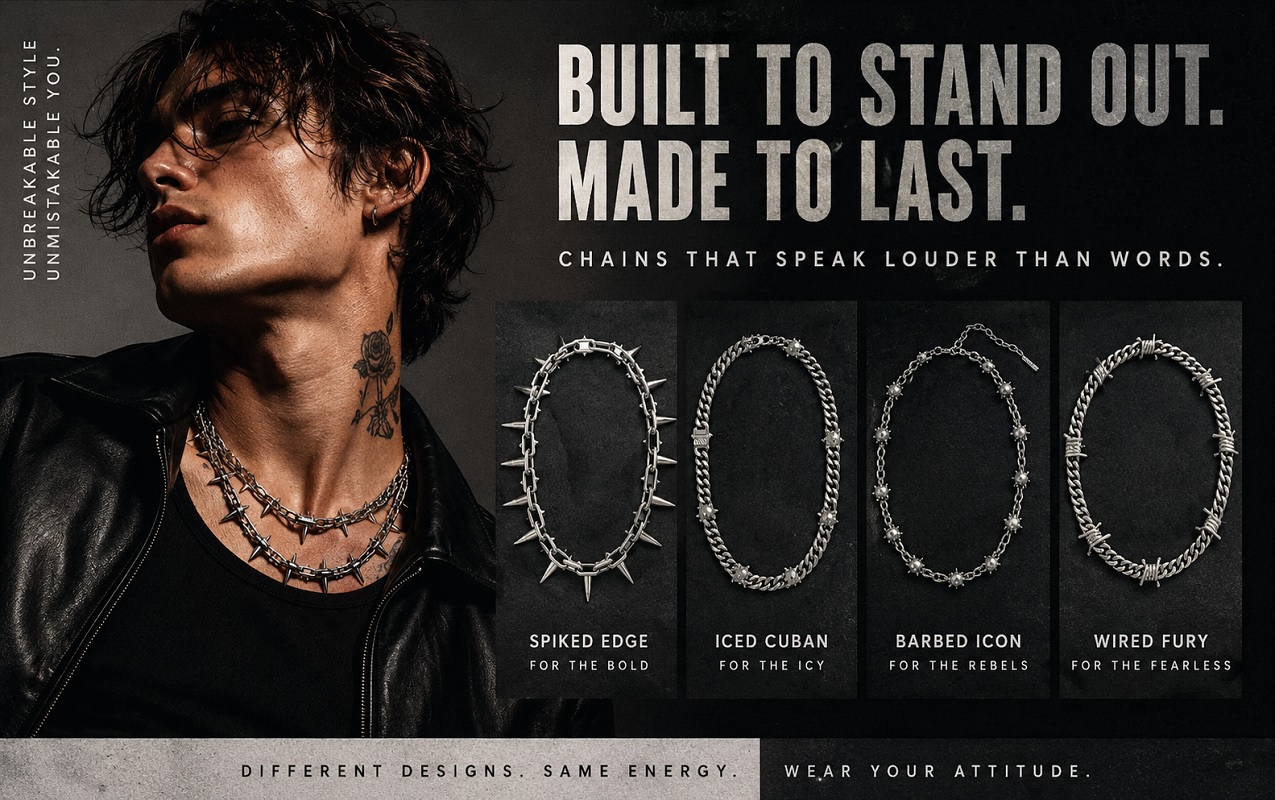
Jewelry trends come and go, but chains remain one of the most consistent style statements across generations and subcultures. From Cuban links to curb chains, this timeless accessory continues to define bold personal expression in streetwear culture today. Whether draped in gold, silver, or stainless steel, chains offer a way to signal identity without saying a word. As fashion cycles speed up, chains have proven remarkably resistant to becoming outdated, staying relevant season after season.
Why Chains Never Go Out of Style
A History Rooted in Rebellion
Chains have long been tied to countercurrent fashion movements, from hip-hop culture to punk rock scenes that embraced them as symbols of defiance. Unlike fleeting trends, chain necklaces have survived decades of shifting fashion because they carry cultural weight beyond mere decoration. They represent identity, status, and a refusal to blend into the crowd.
Versatility Across Occasions
A single chain can transform an outfit from casual to edgy without much effort. Worn under a plain white tee or layered over a leather jacket, chains adapt to whatever aesthetic you’re building. This flexibility is a major reason they remain a staple in wardrobes spanning multiple style tribes.
The Rise of Streetwear Influence
Streetwear brands have pushed chains into mainstream fashion by pairing them with tattoo-inspired designs and underground art references. This cultural crossover has helped chains transition from niche accessory to everyday essential. Today, wearing a bold chain is less about shock value and more about confident self-expression.
Understanding Different Chain Styles
Cuban Link Chains Lead the Pack
Cuban link chains remain the most recognizable style thanks to their thick, interlocking design that catches light and attention equally. Whether crafted in gold or stainless steel, this style has become synonymous with bold, unapologetic fashion statements. Their weight and structure make them a favorite among those who want a chain that feels as substantial as it looks.
Curb Chains Offer Understated Elegance
For those who prefer subtlety, curb chains provide a slimmer profile without sacrificing style. Popularized further by appearances in film and television, thin curb-link necklaces have found a dedicated audience among minimalists. They pair effortlessly with both casual and formal outfits, proving that less can still make a statement.
Barbed Wire and Novelty Designs
Beyond traditional links, novelty chain designs like barbed wire patterns have emerged as a fresh take on edgy accessories. These unconventional shapes appeal to wearers looking for something distinct from mainstream Cuban or curb styles. They signal a willingness to experiment while still honoring the core appeal of chain jewelry.
Choosing the Right Material for Your Chain
Gold Chains for Timeless Luxury
Gold chains have always carried an air of luxury and permanence, often passed down as heirlooms or purchased as milestone investments. An 18k gold Cuban chain, for instance, offers both daily wearability and long-term value. The warm tone of gold complements a variety of skin tones and outfit palettes.
Sterling Silver as a Modern Alternative
Sterling silver has surged in popularity as a more affordable yet equally striking alternative to gold. Crafted from 925 silver, these chains deliver timeless craftsmanship while remaining accessible to a broader audience. Many wearers appreciate silver’s cooler tone, which pairs especially well with monochrome or minimalist wardrobes.
Stainless Steel for Everyday Durability
Stainless steel chains have become the go-to choice for buyers seeking durability without constant maintenance. These pieces are typically waterproof and resistant to tarnish, making them ideal for daily wear regardless of weather or activity. This practicality has made stainless steel a favorite among younger, active consumers.
How to Style Chains for Any Look
Layering Multiple Chains
One of the biggest trends in chain fashion involves layering multiple necklaces of varying lengths and thicknesses. This technique adds visual depth and allows wearers to mix metals or styles for a more personalized look. Layering works particularly well when combining a thicker Cuban link with a slimmer curb chain.
Matching Chains to Outfit Themes
The right chain can elevate an outfit by reinforcing its overall theme, whether that’s minimalist, gothic, or streetwear-inspired. A spiked or barbed wire chain suits edgier ensembles, while a delicate silver curb chain complements softer, everyday looks. Matching chain style to outfit intention helps create a cohesive visual identity.
Accessorizing Beyond Necklaces
Chains aren’t limited to necklaces; they extend into bracelets, anklets, and even wallet accessories that share the same design language. Building a coordinated set across these categories creates a signature look that feels intentional rather than accidental. This approach has become especially popular within streetwear communities that value consistency in personal branding.
The Cultural Symbolism Behind Chains
Status and Identity Markers
Historically, chains have served as visible markers of status, achievement, or group belonging within various communities. Wearing a substantial chain often communicated confidence and success long before social media made personal branding a widespread concern. This symbolism persists today, even as the reasons for wearing chains diversify.
Artistic Expression Through Design
Modern chain designs increasingly draw from tattoo art and underground visual culture, turning jewelry into wearable artwork. Brands are collaborating with artists to create pieces that tell a story rather than simply accessorize an outfit. This shift reflects a broader trend of consumers seeking meaning behind the products they choose.
Building a Personal Legacy
For many, chains become more than accessories; they evolve into personal artifacts tied to specific memories or milestones. A chain purchased during a significant life event often carries sentimental value that outlasts its material worth. This emotional connection helps explain why quality chains remain popular gift choices across generations.
Shopping Smart for Quality Chains
Evaluating Craftsmanship and Materials
Before purchasing, it’s worth examining how a chain is constructed, checking link uniformity, clasp strength, and overall finish quality. High-quality chains maintain their shine and structure over years of wear, while poorly made pieces tend to tarnish or weaken quickly. Investing time in this evaluation prevents disappointment down the line.
Comparing Price Points Realistically
Chain prices vary dramatically based on material, craftsmanship, and brand reputation, ranging from budget-friendly stainless steel options to premium gold pieces. Understanding this price spectrum helps buyers set realistic expectations before shopping. It’s often worth paying slightly more for verified quality rather than chasing the lowest price available.
Finding Trusted Retailers
Reputable jewelry brands with strong customer reviews and transparent sourcing practices offer more reliable purchasing experiences than unknown sellers. Checking independent review platforms and brand histories can reveal consistency in quality and customer service. This due diligence ensures your chain investment delivers lasting satisfaction rather than short-term appeal.
