

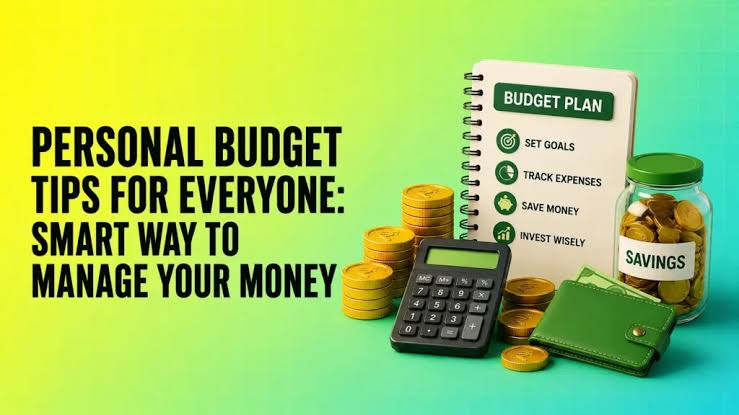
Introduction to Personal Budget
A personal budget is one of the most effective tools for managing your finances and achieving long-term financial stability. It helps you understand where your money comes from, where it goes, and how you can make smarter spending decisions. Whether you are a student, a working professional, a freelancer, or a personal budget business owner, creating a personal budget allows you to stay in control of your income and expenses. Instead of wondering where your paycheck disappeared, you can track every dollar and ensure it is being used wisely. A well-planned budget reduces financial stress, prevents unnecessary debt, and helps you save for important goals such as buying a home, starting a business, traveling, or preparing for retirement. Many people believe budgeting is restrictive, but in reality, it provides freedom by giving you confidence in your financial decisions. By following a simple budgeting plan, you can prioritize essential expenses while still enjoying your lifestyle.
Why a Personal Budget Is Important
A personal budget is important because it creates financial awareness. Without a budget, it is easy to overspend on non-essential items and struggle to cover important bills. Budgeting helps you allocate money toward necessities such as housing, food, transportation, healthcare, and utilities before spending on entertainment or luxury purchases. It also encourages disciplined spending habits and prevents impulse buying. Another significant benefit is that budgeting helps build an emergency fund, ensuring you are financially prepared for unexpected situations like medical emergencies, car repairs, or job loss. People who consistently maintain a personal budget often experience less financial anxiety because they know exactly how much they can afford to spend each month. Furthermore, budgeting supports long-term financial goals by making saving and investing a regular habit rather than an occasional activity.
Steps to Create a Personal Budget
Creating a personal budget does not have to be complicated. Start by calculating your total monthly income from all sources, including salary, freelance work, investments, or side businesses. Next, list every monthly expense, including rent, mortgage payments, groceries, transportation, insurance, loan payments, subscriptions, and entertainment. Categorize these expenses into fixed and variable costs. Fixed expenses remain consistent every month, while variable expenses fluctuate depending on your spending habits. Once you understand your income and expenses, compare them to determine whether you are spending more than you earn. If necessary, identify areas where you can reduce unnecessary expenses. Finally, set realistic spending limits for each category and monitor your progress regularly. Reviewing your budget every month allows you to make adjustments as your financial situation changes.
Popular Budgeting Methods
There are several budgeting methods that suit different financial lifestyles. One of the most popular approaches is the 50/30/20 rule. This method recommends allocating 50 percent of your income to essential needs, 30 percent to personal wants, and 20 percent to savings and debt repayment. Another common approach is zero-based budgeting, where every dollar of income is assigned a specific purpose until your remaining balance reaches zero. Envelope budgeting is another effective technique that involves dividing cash into labeled envelopes for different spending categories. Once an envelope is empty, spending in that category stops until the next budgeting period. Choosing the right budgeting method depends on your income, financial goals, and personal preferences.
Tips for Sticking to Your Personal Budget
Many people create a budget but struggle to follow it consistently. One of the best ways to stay committed is by tracking every expense, no matter how small. Budgeting apps, spreadsheets, or even a simple notebook can help you monitor your daily spending. Setting realistic financial goals also increases motivation because you can clearly see the benefits of budgeting over time. Avoid making drastic cuts that are difficult to maintain. Instead, focus on reducing unnecessary expenses gradually. Automating savings transfers ensures that saving becomes a priority rather than an afterthought. Regularly reviewing your budget and celebrating financial milestones can also help maintain motivation. If unexpected expenses occur, adjust your budget rather than abandoning it altogether.
Common Budgeting Mistakes to Avoid
Several common mistakes can reduce the effectiveness of a personal budget. One major mistake is underestimating expenses. Many people forget occasional costs such as annual insurance premiums, vehicle maintenance, or holiday shopping. Another mistake is failing to include emergency savings in the budget. Unexpected expenses are inevitable, and having an emergency fund prevents financial setbacks. Ignoring small purchases can also damage your budget because frequent minor expenses add up over time. Some people create unrealistic budgets that eliminate all entertainment or leisure spending, making them difficult to follow. Others fail to review and update their budget regularly as their income or expenses change. Avoiding these mistakes helps maintain a sustainable budgeting plan.
Benefits of Using Budgeting Tools
Modern technology has made personal budgeting easier than ever. Budgeting apps automatically categorize transactions, track spending, and generate financial reports. Many banking apps also offer built-in budgeting features that provide insights into spending habits. Spreadsheet software allows users to create customized budgets tailored to their financial needs. These tools simplify expense tracking and help identify areas where money can be saved. Automated alerts for upcoming bills reduce the risk of missed payments and late fees. By using budgeting tools consistently, individuals can gain better financial control and make informed decisions based on accurate financial data.
Personal Budget and Financial Goals
A personal budget plays a vital role in achieving financial goals. Whether your objective is paying off debt, saving for higher education, purchasing a car, buying a house, or building retirement savings, budgeting provides a clear roadmap. Setting short-term and long-term financial goals makes budgeting more meaningful and rewarding. Breaking larger goals into smaller monthly targets makes them easier to achieve. For example, saving for a vacation becomes manageable when you contribute a fixed amount every month. Similarly, reducing debt becomes less overwhelming when you allocate a consistent payment toward outstanding balances. Budgeting transforms financial dreams into achievable plans through disciplined money management.
Building Better Financial Habits
Developing strong financial habits is essential for maintaining a successful personal budget. Spending less than you earn, avoiding unnecessary debt, saving consistently, and reviewing financial progress regularly all contribute to long-term financial success. Learning basic financial literacy, understanding interest rates, and making informed investment decisions further strengthen your financial foundation. Practicing mindful spending encourages thoughtful purchasing decisions rather than emotional buying. Over time, these positive habits create greater financial security and independence.
Conclusion
A personal budget is much more than a financial spreadsheet—it is a practical strategy for taking control of your money and building a secure future. By tracking income, managing expenses, setting realistic financial goals, and reviewing your progress regularly, you can improve your financial health and reduce unnecessary stress. Budgeting helps you prepare for emergencies, eliminate debt, increase savings, and make confident financial decisions. Regardless of your income level, creating and following a personal budget can lead to greater financial freedom and long-term success. Start budgeting today, stay consistent with your plan, and enjoy the peace of mind that comes from knowing your finances are working for you rather than against you.
