

I first started looking for andoid instagram automation because my daily Instagram routine had become too repetitive to manage by hand. I was not trying to replace the creative side of the account. I still wanted to choose the content, decide the tone, test offers, and understand the audience. The problem was everything around that work: checking sources, viewing profiles, liking relevant posts, keeping follow and unfollow activity organized, watching stories or reels, and then trying to remember what had already been done. After testing SMTasker, the biggest benefit for me was that it turned those repeated tasks into a workflow I could actually supervise.
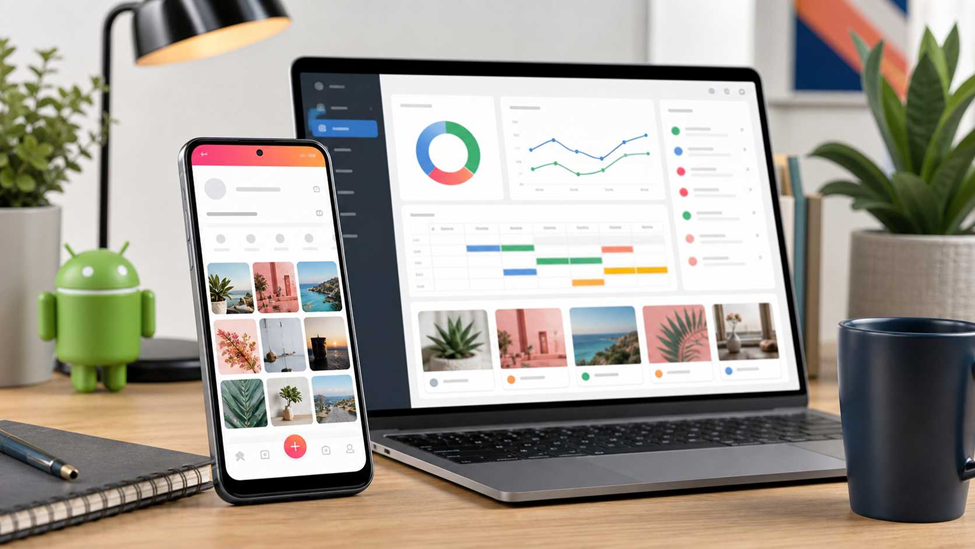
What made SMTasker stand out was the Android-based approach. A lot of automation tools feel distant from the way Instagram is normally used. They run somewhere in the cloud, hide most of the details, and ask you to trust that everything is happening properly. SMTasker feels different because it works through Android phones or emulators while you manage the process from a desktop dashboard. That makes the whole setup easier to understand. I could see the connected device, choose the tools I wanted to run, set limits, define active hours, and review activity afterward.
That visibility matters more than I expected. Instagram is a mobile-first platform, and most normal user behavior still happens inside the app. Running routines through Android made the automation feel closer to a normal working environment than a browser-only setup. I also liked that I did not have to turn everything on at once. I could begin with one small workflow, watch the logs for a few days, and then add another layer only when the first one looked stable.
The main benefit for me was time savings without losing control. Before using SMTasker, I would spend small blocks of time throughout the day doing the same Instagram actions over and over. None of those actions was difficult by itself, but together they created a lot of friction. With SMTasker, I could set up a routine and then use my attention for more valuable decisions: which niches to test, which content angles were worth repeating, which posts deserved more support, and which sources brought in better profiles.
Anyone who works in social media marketing knows that consistency is often harder than strategy. It is easy to write down a plan. It is much harder to keep showing up with the same level of activity week after week. SMTasker helped with that part. The scheduling options made it easier to spread actions across sensible time windows instead of doing everything in one rushed session. For me, that alone made the account feel easier to manage.
I also appreciated the controls around pacing. I do not think Instagram automation should be used like a volume contest. The safer and smarter approach is to keep activity realistic, especially on newer or more sensitive accounts. SMTasker lets you work with limits, active hours, sources, and logs, which encourages a more measured setup. Instead of asking “How much can I automate today?”, I found myself asking “What routine would look normal and still support my goals?” That is a healthier way to use a tool like this.
The logs were another practical benefit. When everything is manual, it is easy to forget what happened. When several accounts are involved, that becomes even worse. With SMTasker, I could review activity and see which workflows had run. That gave me a clearer way to compare accounts and make adjustments. If a source was not useful, I could change it. If a workflow felt too aggressive, I could reduce it. If something looked stable, I could keep it running and focus on content.
For agencies or people managing more than one Instagram profile, I think this is where SMTasker becomes especially useful. The tool is not just about automating actions. It is about creating a repeatable operating system for Instagram work. You can separate accounts, manage devices, keep schedules organized, and avoid relying on memory or scattered notes. Even if you only use a few tools at first, that structure is valuable.
Another thing I liked is that SMTasker does not feel limited to one narrow action. Depending on how you configure it, the workflow can support activity such as viewing, likes, follows, unfollows, comments, reels or story-related routines, and other engagement tasks. I would still recommend starting slowly. In my own use, the best experience came from treating it as a gradual system. First, get one action stable. Then add another. Then review the account behavior and adjust.
It is important to be realistic about what SMTasker can and cannot do. It will not create good content for you. It will not fix poor targeting. It will not guarantee growth, and no responsible automation tool should make that kind of promise. Instagram still rewards accounts that understand their audience, publish useful or interesting content, and interact in ways that make sense. SMTasker is useful because it supports that process, not because it replaces it.
The best way I can describe my experience is that SMTasker removed a lot of repetitive pressure from the account. I still had to think. I still had to make decisions. But I was no longer spending as much time on the same small operational tasks every day. That made the whole Instagram process feel more organized and less draining.
I would recommend SMTasker to creators, marketers, and small agencies that already know what they want to do on Instagram but need a better way to execute the routine. If you are looking for an instant growth button, this is not the right mindset. If you want Android-based automation that is visible, configurable, and easier to supervise, then SMTasker is worth testing. The combination of device-based activity, desktop control, scheduling, limits, and logs makes it a practical option for people who want to automate carefully without losing sight of what is happening on the account.
