

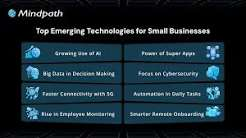
Small businesses are operating in a very different environment from the one they faced a decade ago. A company no longer needs a large office, a huge marketing budget, or a team of specialists to reach customers, manage operations, and compete in broader markets. Digital tools have made many advanced capabilities more accessible, allowing smaller companies to work faster, communicate better, and make smarter decisions. As technology continues to shape modern business, resources such as DigitalConnectMag.com CO can help readers explore practical information related to artificial intelligence, software, websites, business technology, and digital marketing.
The biggest change is not that technology has removed every challenge for small businesses. Competition remains strong, customer expectations continue to rise, and poor decisions can still be costly.
What technology has done is create more opportunity.
A small company can now sell products online, manage customers through software, advertise to specific audiences, automate repetitive tasks, and collaborate with people in different locations.
These capabilities were once much harder to access.
Today, the real challenge is no longer simply finding technology. It is choosing the right technology and using it effectively.
Small Businesses Can Reach Larger Audiences
In the past, many small businesses depended almost entirely on local customers.
A shop, consultant, or service provider could only reach people nearby unless the company invested heavily in traditional advertising.
The internet changed this.
Today, even a small business can reach customers through:
- websites;
- search engines;
- social media;
- email;
- online marketplaces;
- digital advertising.
This has created opportunities that were once difficult to imagine.
A small handmade product business can sell internationally.
A consultant can work with clients in different countries.
A local service provider can use search visibility to attract people who are actively looking for help.
However, wider reach also creates stronger competition.
A business is no longer competing only with nearby companies.
It may be competing with national brands, global marketplaces, and thousands of online alternatives.
This is why visibility alone is not enough.
Small businesses need to communicate clearly why customers should choose them.
Technology can create access to the audience, but the business still needs a strong offer.
Websites Have Become Digital Business Hubs
A website is no longer simply an online brochure.
For many businesses, it is the center of the entire digital operation.
A modern business website can:
- explain products and services;
- answer customer questions;
- collect enquiries;
- process payments;
- display reviews;
- publish helpful content;
- generate leads;
- support customer service.
This makes website quality extremely important.
A slow, confusing, or outdated website can damage trust.
Visitors often make quick judgments.
If a website is difficult to use on a mobile device, people may leave.
If important information is difficult to find, potential customers may choose another company.
A strong small business website should focus on clarity.
Visitors should quickly understand:
- what the business offers;
- who the service is for;
- how to contact the company;
- what action to take next.
Technology gives businesses many design options, but simplicity often creates the best experience.
Digital Marketing Has Made Promotion More Flexible
Traditional advertising often required large budgets.
Businesses paid for newspaper advertisements, radio promotions, billboards, or printed materials without always knowing exactly who saw the message.
Digital marketing offers more flexibility.
Small businesses can use different channels based on their goals and budgets.
These may include:
- search engine optimization;
- content marketing;
- social media;
- email marketing;
- paid advertising;
- video content.
The advantage is not only lower entry cost.
Digital marketing can also provide more information.
Businesses can track website visits, ad clicks, email responses, and customer actions.
This helps companies understand what is working.
However, access to marketing tools does not guarantee success.
A business can waste money on digital advertising just as easily as it can waste money on traditional advertising.
The strongest marketing begins with a clear understanding of the customer.
Businesses need to know:
- who they are trying to reach;
- what problem the customer has;
- why the offer is useful;
- where the audience spends time;
- what message is most likely to matter.
Technology can help deliver the message.
It cannot fix a weak message.
Artificial Intelligence Is Creating New Possibilities
Artificial intelligence is becoming an important part of small business technology.
Many companies are experimenting with AI to improve speed and reduce repetitive work.
AI tools can help with tasks such as:
- organizing ideas;
- drafting routine content;
- summarizing information;
- preparing customer support responses;
- analyzing basic data;
- improving workflows.
For a small business with limited staff, this can be valuable.
A business owner often performs many roles.
The same person may handle sales, marketing, customer service, planning, and administration.
AI can help reduce some of the repetitive workload.
However, businesses should use AI carefully.
Generated information can contain errors.
Automated messages can sound impersonal.
Sensitive business information may create privacy concerns.
The best approach is usually to use AI as support rather than allowing it to control important decisions.
Human review remains essential.
Automation Can Save Time
Time is one of the most limited resources in a small business.
Owners and employees often repeat the same tasks every day.
Automation can help reduce this burden.
For example, a business may automatically:
- send appointment reminders;
- confirm form submissions;
- update customer records;
- schedule routine emails;
- generate basic reports;
- notify employees about tasks.
These processes may seem small individually.
Together, they can consume many hours.
Automation allows people to focus more attention on higher-value work.
This may include customer relationships, strategy, product improvement, and business development.
However, businesses should avoid automating everything.
Some interactions need a human response.
A customer with a serious complaint may become more frustrated when trapped in an automated system.
A potential partner may expect a real conversation.
The goal of automation should be to remove unnecessary repetition, not remove all human contact.
Cloud Software Has Made Business More Flexible
Cloud-based tools have changed how small companies work.
In the past, business information was often stored on individual computers.
Access was limited.
Teams sometimes struggled with different versions of the same file.
Cloud platforms have made it easier to work from different locations.
Businesses can now use online tools for:
- documents;
- accounting;
- customer management;
- project management;
- communication;
- file storage.
This can improve collaboration.
A business owner can review information while travelling.
Employees can work remotely.
Teams can update shared files.
The flexibility is valuable, but good organization is still required.
Using too many cloud platforms can create confusion.
Businesses should avoid spreading important information across unnecessary systems.
The best technology setup is not always the most complicated one.
A simple system that everyone understands may be more useful than several advanced platforms that nobody uses properly.
Better Data Can Support Better Decisions
Small businesses have more access to data than ever before.
They can track:
- website traffic;
- customer enquiries;
- sales performance;
- advertising results;
- email engagement;
- customer behavior.
This information can help businesses make better decisions.
For example, a company may discover that most website visitors are using mobile devices.
This could encourage the business to improve the mobile experience.
A store may notice that customers regularly abandon the checkout process at the same stage.
That could reveal a usability problem.
A marketing team may find that one type of content consistently attracts more qualified enquiries.
Data can reveal useful patterns.
However, businesses should not become obsessed with every number.
Not all metrics are equally important.
A website may receive thousands of visitors without generating sales.
A social media post may receive many likes without creating business value.
The most useful data is connected to real goals.
Online Payments Have Made Selling Easier
Digital payment systems have changed how businesses sell.
Customers increasingly expect convenient payment options.
Online businesses can process transactions without physical locations.
Service providers can accept deposits.
Subscription businesses can manage recurring payments.
This convenience can improve customer experience.
However, businesses need to think carefully about:
- payment security;
- transaction fees;
- refunds;
- customer trust;
- platform reliability.
A payment process should be simple.
Complicated checkout pages can reduce sales.
Unexpected costs can frustrate customers.
Technology can make payments easier, but the overall experience still needs careful planning.
Customer Relationships Can Be Managed More Effectively
Customer relationship management software has made it easier for small businesses to organize communication.
Instead of keeping information in separate emails or spreadsheets, businesses can track:
- customer details;
- previous conversations;
- sales opportunities;
- follow-up tasks;
- support issues.
This can improve consistency.
A customer should not need to repeat the same information every time they contact a company.
Good systems help businesses understand the customer history.
However, technology should support relationships rather than make them feel mechanical.
People still value personal attention.
The strongest businesses use software to remember important details and improve communication.
They do not use software as a replacement for genuine care.
Remote Work Has Expanded Access to Talent
Technology has also changed hiring.
A small business may no longer be limited to workers in the same city.
Remote collaboration tools make it possible to work with:
- freelancers;
- consultants;
- employees;
- agencies;
- specialists.
This can give small businesses access to skills that would otherwise be difficult to find.
A company may hire a designer in one country, a developer in another, and a marketing consultant somewhere else.
This flexibility can reduce costs and improve access to expertise.
However, remote work requires structure.
Teams need clear communication.
Responsibilities must be defined.
Files should be organized.
Deadlines should be visible.
Technology can connect people, but good management is still necessary.
Cybersecurity Has Become a Business Necessity
As businesses become more digital, security becomes more important.
Even a small company may store:
- customer information;
- passwords;
- financial data;
- business documents;
- private communications.
A security problem can damage both finances and reputation.
Small businesses should take basic precautions seriously.
These include:
- strong passwords;
- multi-factor authentication;
- regular software updates;
- secure backups;
- access controls;
- staff awareness.
Cybersecurity is often viewed as a technical issue.
In reality, human mistakes are a major risk.
An employee may click a suspicious link.
A password may be reused across several accounts.
Sensitive information may be shared carelessly.
Security requires both technology and awareness.
Content Can Help Small Businesses Build Trust
Many small businesses focus heavily on advertising.
Advertising can be useful, but helpful content can create longer-term value.
A business can publish content that answers common customer questions.
This may include:
- guides;
- comparisons;
- explanations;
- checklists;
- case studies.
Useful content can demonstrate knowledge.
It can also attract people who are researching before making a decision.
For example, a software company might publish an article explaining how to choose the right type of business software.
A local service provider might answer the most common questions customers ask before booking.
This type of content supports both marketing and trust.
The goal should not be to promote the business in every sentence.
The goal should be to help the reader.
Technology Can Improve Customer Service
Customer expectations are changing.
People often expect quick answers.
Digital tools can help businesses respond more efficiently.
A company may use:
- live chat;
- help centers;
- automated confirmations;
- support ticket systems;
- chatbots.
These tools can improve speed.
However, customer service quality still depends on how problems are handled.
Automation works well for simple questions.
It may not work well for emotional, complex, or unusual situations.
Businesses should give customers an easy way to reach a real person when necessary.
Good customer service combines efficiency with empathy.
Subscription Overload Is a Growing Problem
One challenge of modern business technology is the growing number of software subscriptions.
A business may pay separately for:
- email;
- project management;
- analytics;
- design;
- accounting;
- customer management;
- automation.
The monthly cost can grow quickly.
Businesses should regularly review their technology expenses.
Useful questions include:
- Is this tool still being used?
- Does another platform already provide the same feature?
- Is the cost justified?
- Can the process be simplified?
A new tool should not be added simply because it appears useful.
It should solve a clear problem.
Removing unnecessary technology can sometimes improve both productivity and profitability.
Digital Skills Are Becoming More Important
Technology changes quickly.
A platform that is popular today may become outdated.
This is why businesses should invest in adaptable skills.
Employees and owners benefit from understanding:
- online communication;
- data basics;
- digital security;
- software evaluation;
- automation;
- artificial intelligence;
- digital marketing.
People do not need to master every platform.
They do need to become comfortable learning new tools.
The ability to adapt is becoming a major competitive advantage.
Strong Businesses Combine Technology With Human Judgment
The most successful small businesses will not necessarily be those that use the most technology.
They will be those that know where technology creates value.
A company may automate routine administration while keeping customer relationships personal.
It may use AI to support research while making final decisions manually.
It may use data to identify patterns while considering real customer feedback.
This balance is important.
Technology is powerful.
But business still depends on trust, leadership, creativity, and understanding.
These human qualities remain difficult to automate.
Conclusion
Technology is changing how small businesses reach customers, manage operations, communicate, sell products, analyze information, and compete.
Digital tools have made many advanced capabilities more accessible.
A small company can now use software, automation, artificial intelligence, cloud platforms, digital marketing, and data in ways that were once available mainly to larger organizations.
However, technology is only useful when it supports a clear purpose.
Businesses should focus on real problems, choose tools carefully, protect customer information, and avoid unnecessary complexity.
The future of small business growth will not depend on using every new technology.
It will depend on combining the right technology with strong decisions, useful products, good customer experiences, and human judgment.
Readers interested in practical insights about artificial intelligence, software, websites, business technology, and digital marketing can visit DigitalConnectMag.com CO for more useful information and digital resources.
