

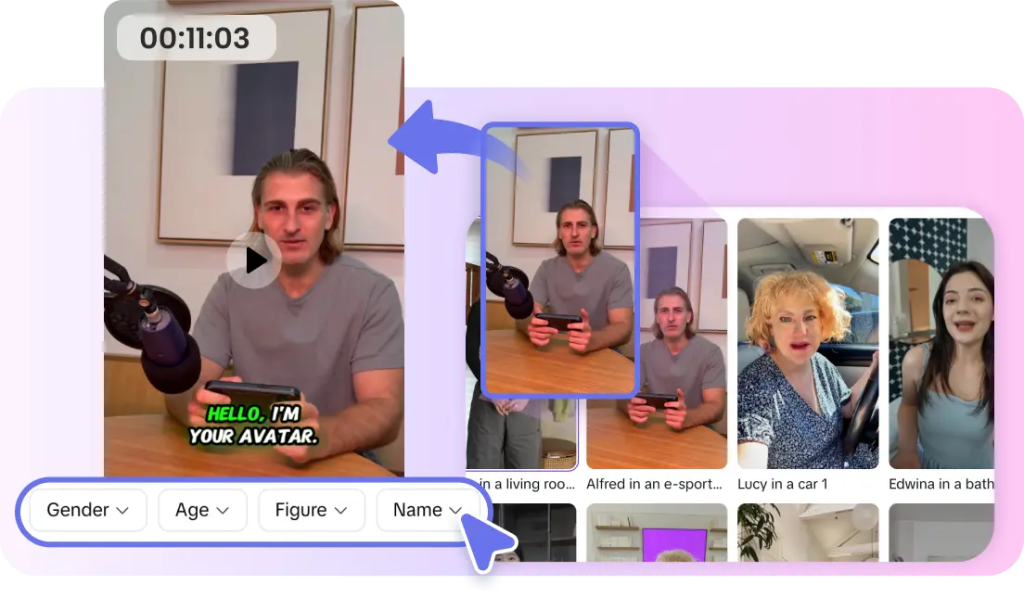
Digital presence has quietly become one of the most valuable assets a person or brand can own. We introduce ourselves online long before we ever meet anyone in person, and the face we present shapes first impressions across profiles, presentations, and marketing channels. Creating that face used to mean a photo shoot, a designer, or endless hours in editing software. That barrier is disappearing fast. The rise of intelligent avatar creation means anyone can produce a consistent, professional visual identity in minutes, and the results are increasingly indistinguishable from custom design work. This is not a passing novelty; it reflects a genuine shift in how identity and content production work online. Understanding why these tools matter, and how to use them thoughtfully, gives you a real advantage whether you are building a personal brand, scaling a business, or simply trying to present yourself consistently across a crowded digital world.
The Shift Toward Synthetic Visual Identity
For most of the internet’s history, showing a face on camera required actually being on camera. That constraint quietly limited who could produce video content and how often. A capable avatar generator removes that constraint entirely, letting creators produce a consistent on-screen presence without setting up a camera, worrying about lighting, or even being available at recording time. This is why the technology has moved so quickly from curiosity to standard practice among content teams and independent creators alike.
The deeper change is about scale and consistency. A single recorded persona can front dozens of videos, appear in multiple languages, and maintain a uniform look across an entire content library. For businesses, that consistency is enormously valuable, because a recognizable presence builds trust over time. For individuals, it means the version of you that appears online is always polished, on-brand, and available, regardless of whether you had time to film that day.
Consistency Across Every Channel
One of the strongest arguments for adopting this technology is visual coherence. Audiences build familiarity through repetition, and a face that looks the same across your website, social profiles, and video content reinforces recognition every time it appears. When you rely on ad hoc selfies or stock imagery, that coherence fractures, and your brand feels less established. A generated persona locks in a consistent style, expression, and quality, so every touchpoint reinforces the same identity. This matters especially for small teams and solo creators who cannot afford a full-time designer to police visual standards across a growing library of content.
Speed That Changes What You Attempt
Beyond consistency, sheer speed reshapes your creative ambitions. When producing a talking-head video no longer requires scheduling, setup, and reshoots, you naturally attempt more. You test more ideas, publish more often, and iterate based on what actually resonates. This abundance is a competitive edge in its own right. The creators who win attention today are rarely the ones with the biggest budgets; they are the ones who show up consistently and experiment relentlessly. By removing the friction of traditional filming, avatar tools let you operate at that higher tempo without burning out or blowing your budget.
Using the Technology Responsibly and Well
Adopting a powerful tool wisely means understanding both its strengths and its limits. A generated persona excels at delivering scripted, informational, and promotional content at scale. It is less suited to moments that demand raw human spontaneity, such as heartfelt personal messages where the audience specifically wants the real you. Knowing which situation calls for which approach keeps your content authentic rather than hollow.

Transparency also builds long-term trust. Audiences are increasingly savvy about synthetic media, and honesty about how you produce content tends to strengthen rather than weaken your relationship with them. Used openly, these tools become a legitimate part of your production stack rather than a secret to hide. Platforms like Pippit AI make this straightforward by giving you control over how your persona looks, speaks, and appears, so the output aligns with the identity you genuinely want to project.
Localization is one of the most compelling reasons to embrace this approach, and it is easy to overlook. A single persona can deliver the same message in multiple languages, letting a small team reach audiences that would otherwise require separate presenters, translators, and shoots. For a business expanding into new markets, this dramatically lowers the cost of speaking to customers in their own language, which in turn builds trust that generic subtitles rarely achieve. The persona stays recognizable across every region, so a global audience experiences one coherent brand rather than a patchwork of disconnected spokespeople. This combination of consistency and reach was once available only to organizations with substantial budgets, and its arrival for creators of any size is a genuine shift in what a small operation can accomplish. Used thoughtfully, it lets a solo creator or lean team punch far above their weight on the global stage. The knock-on effects are significant: a message that once reached one language community can now reach several without proportional increases in time or cost, and the compounding audience growth that follows can transform the trajectory of a small brand. When reach stops being gated by production budget, the deciding factor becomes the quality of your ideas, which is exactly where an ambitious creator wants the competition to live.
Practical Steps to Get Started
Begin by defining the identity you want before you generate anything. Decide on the tone, the style, and the impression you want to leave, then build a persona that fits. Keep your first projects simple, such as a short introduction or a single explainer, so you can learn how scripting and delivery affect the final result. Review your output critically and refine the elements that feel off, whether that is pacing, expression, or wording. Once you have a persona and a workflow you trust, expand into a regular publishing rhythm. Starting small and iterating deliberately produces far better long-term results than trying to launch a full content operation on day one.
Where This Trend Is Heading
The trajectory is clear: synthetic visual identity is becoming a normal part of how content gets made, not an exotic exception. As the technology matures, the gap between generated and filmed presence continues to narrow, and audiences grow more accustomed to it. Creators who learn these tools now are positioning themselves ahead of a curve that shows no sign of slowing. The winners will not be those who resist the shift, but those who blend authentic human storytelling with the efficiency these tools provide, using automation for scale while reserving genuine, unscripted moments for when they matter most.
Answering the Doubts People Raise
Whenever a technology moves this quickly, reasonable skepticism follows, and it is worth addressing the concerns honestly rather than dismissing them. The most common worry is that synthetic presence feels impersonal, that audiences will sense something artificial and disengage. In practice, the outcome depends entirely on execution. A carefully crafted persona delivering a clear, valuable message often connects better than a rushed, poorly lit real recording. Audiences respond to clarity, usefulness, and consistency far more than they respond to the technical origin of a video, provided the content genuinely serves them.
Another frequent concern involves authenticity and trust. Does using a generated presence mean deceiving your audience? Not if you are transparent. The healthiest approach treats these tools the way a business treats any production choice, openly and without pretense. Viewers accept that brands use professional production; a synthetic presenter is simply another tool in that toolkit. When creators are upfront about their methods, audiences tend to focus on the value of the content rather than the mechanics of how it was made, and trust remains intact.
There is also a practical question about longevity: is it wise to build an identity on tools that keep changing? The reassuring answer is that the underlying skill, defining and maintaining a clear identity, transfers regardless of which specific tool you use. By focusing on your message, your visual standards, and your relationship with your audience, you build something durable. The tools will keep improving, but the discipline of presenting a consistent, trustworthy identity is a timeless asset that no update can render obsolete.
Owning Your Digital Presence With Confidence
Building a strong online identity no longer depends on studios, designers, or endless hours behind the camera. Intelligent avatar creation gives anyone the power to present a consistent, professional face across every channel while dramatically increasing how much they can produce. The advantage comes not from the technology alone but from using it thoughtfully: defining a clear identity, choosing the right moments for a generated persona versus the real you, and being transparent with your audience. As synthetic visual identity becomes standard practice, the creators and brands who adopt it deliberately will stand out through consistency and volume. Define who you want to be online, start with a simple project, and let the tools carry you toward a presence that is polished, recognizable, and unmistakably yours.
