

More and more people are stopping to actually read the label before buying a face wash or a shampoo. That’s a real shift. People want to know what they’re putting on their skin, and the wave of interest in herbal and plant-based beauty has been growing fast because of it.
If you’ve stood in a store aisle or scrolled through a beauty website feeling completely lost, you’re not alone.
This guide cuts through that. It explains what herbal products actually are, how to tell the good ones from the ones just riding the trend, and how to build a simple daily routine that actually sticks.
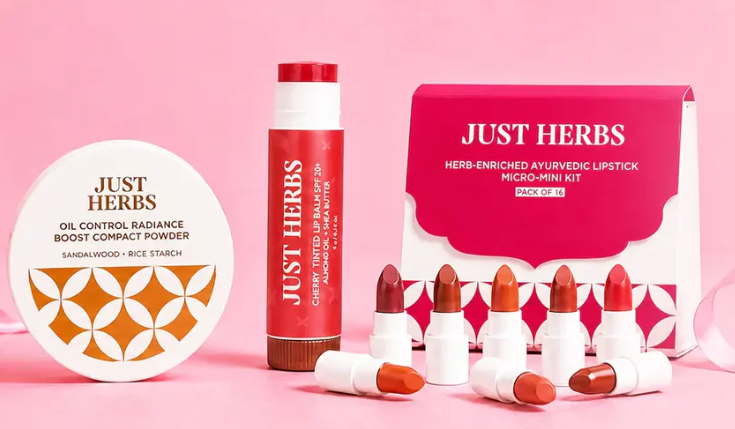
Understanding Different Types of Herbal Beauty Products
Here’s a quick breakdown of the main types:
Face Cleansers
Your cleanser is doing the grunt work every morning and night. It’s removing dirt, excess oil, pollution, and whatever else settled on your face during the day. Herbal products like cleansers do the same job but often include natural ingredients that have been used in skincare traditions for generations. Good for your skin, and actually kind of satisfying to use.
Moisturisers and Creams
Dry skin is genuinely uncomfortable. Tight, flaky, sometimes itchy. A good herbal moisturiser brings that relief without the greasy or chemical-heavy feel that some synthetic products leave behind.
Serums
Serums are more targeted. They’re not for everyone, but if you’ve got a specific concern like dull skin, uneven patches, or skin that just looks tired, a serum with the right botanical extracts can help address that without you having to overhaul your whole routine.
Haircare Products
This is where a lot of traditional Indian beauty wisdom shows up. Bhringraj. Amla. Rosemary. Hibiscus. These have been used in hair oiling routines and treatments for centuries, and they’ve made their way into modern shampoos, conditioners, and hair masks in a big way. If you’re dealing with hair fall, dry scalp, or dull strands, these are worth paying attention to.
Lip and Body Care Products
Herbal lip balms, body lotions, and body washes round out the category. Simple, everyday products that do their job while skipping some of the harsher synthetic ingredients you’d find elsewhere.
How to Assess Product Quality and Sourcing
Here’s how to actually assess what you’re buying.
Read the Ingredient List
The front of a package can say almost anything. “Natural.” “Herbal.” “Pure.” None of that is regulated in a strict sense. The ingredient list on the back is what tells you the truth. Ingredients are listed in order of concentration, so if a key botanical ingredient shows up near the bottom, there’s probably very little of it in the product.
Look for Transparency
Brands that are confident about their formulations will tell you about them. They’ll explain what’s in their products, why those ingredients are there, and where they come from. If a brand’s website is vague or its product descriptions are all marketing fluff with no real information, that’s worth noticing.
Check Manufacturing Standards
Good manufacturing matters a lot more than most people realise. Consistent production standards, proper testing, and quality checks at different stages. These things directly affect whether the product you buy today is the same as the one you bought three months ago.
Think About Ingredient Origins
How and where a plant ingredient is grown, harvested, and processed affects its quality. A bhringraj extract from a carefully sourced, well-processed plant is going to be different from one that cuts corners. Brands that care about sourcing will usually say so.
Watch Out for Oversized Claims
If a product promises to transform your skin in three days or regrow hair in a week, step back. Real beauty routines take time. Consistency is what works, not miracle products. If the claim sounds too good, it usually is.
Common Herbal Ingredients and Why They’re Used
Some herbal ingredients keep showing up in products because they’ve genuinely earned their place. Here are the ones you’ll see most often.
Aloe Vera
Soothing, hydrating, light on the skin. Aloe vera shows up in everything from face washes to body gels to after-sun care. It’s one of the most widely used ingredients in herbal products for good reason.
Neem
A go-to for oily and combination skin types. Neem-based face washes have been popular for years, and they’ve stuck around because they work for people dealing with excess oil and skin congestion. Strong smell, but effective.
Turmeric
Turmeric has been a beauty staple in Indian households forever. The haldi ceremony before a wedding didn’t come from nowhere. In modern herbal products, it shows up in face masks, cleansers, and creams.
Saffron
On the pricier side, saffron is commonly featured in herbal products aimed at supporting a brighter, more radiant-looking complexion. A little goes a long way, which is why it’s used in small amounts even in quality formulations.
Bhringraj and Amla
These two are staples in Indian haircare. Bhringraj has long been used in hair oil traditions, and amla is packed with vitamin C. Together, they’re found in shampoos, oils, and hair treatments across the country. Their continued popularity says a lot about how well they’ve stood the test of time.
Just Herbs works with these kinds of traditional botanical ingredients, combining them with well-thought-out modern formulations that are actually usable in a daily routine.
Wrapping Up
Picking the right herbal products isn’t complicated, but it does take a little attention. Know your ingredients. Check the label, not just the packaging. Give your routine time to work.
Just Herbs makes this easier by being upfront about what goes into their products and combining time-tested botanical ingredients with formulations designed for everyday use. If you’re building or refreshing your routine, it’s a solid place to look.
