

Every successful building project begins long before the first piece of equipment arrives on-site. Whether it’s a residential home, a commercial office, or a large infrastructure project, the outcome often depends on the quality of planning completed before construction starts. Careful preparation helps teams allocate resources efficiently, manage budgets, minimize risks, and keep projects moving according to schedule.
In today’s construction industry, projects have become increasingly complex. Rising material costs, labor shortages, evolving building regulations, and tighter project timelines require contractors and project managers to make well-informed decisions from the very beginning. Without a solid plan, even experienced teams can face delays, budget overruns, and unexpected challenges that affect the overall success of a project.
Accurate planning is more than creating a timeline or estimating costs. It involves understanding project objectives, evaluating potential risks, coordinating multiple stakeholders, and preparing for unforeseen circumstances. By investing time in planning, construction professionals can improve efficiency, reduce waste, and deliver better results for clients.
Understanding the Importance of Pre-Construction Planning
Pre-construction planning lays the groundwork for every stage that follows. During this phase, project owners, architects, engineers, contractors, and consultants work together to define the project’s scope and establish realistic expectations.
This process typically includes reviewing architectural drawings, evaluating site conditions, identifying regulatory requirements, estimating costs, developing schedules, and assigning responsibilities. Addressing these elements early helps minimize misunderstandings once construction begins.
Projects that skip or rush this stage often encounter problems that could have been avoided with better preparation. A small oversight during planning can lead to expensive changes later, affecting both the budget and the project timeline.
Defining Clear Project Goals
Every construction project should begin with clearly defined objectives.
Stakeholders should understand exactly what they hope to achieve, including the project’s purpose, expected quality standards, completion timeline, and available budget. Without clear goals, teams may interpret requirements differently, leading to confusion and unnecessary revisions.
Well-defined objectives also improve communication among everyone involved. When expectations are established early, decision-making becomes more efficient throughout the project.
Regular planning meetings before construction begins help ensure all parties remain aligned and understand their respective responsibilities.
Developing a Realistic Budget
Budget planning is one of the most critical components of any successful construction project.
Construction costs extend far beyond materials and labor. Equipment rentals, permits, insurance, transportation, inspections, utility connections, and contingency funds must also be considered during financial planning.
One common mistake is underestimating indirect costs or failing to account for market fluctuations. Material prices and labor expenses can change significantly over the course of a project, making contingency planning essential.
A detailed budget provides greater financial visibility and reduces the likelihood of unexpected expenses disrupting progress.
Why Accurate Cost Estimates Matter
Reliable cost estimates help project owners make informed financial decisions before committing to construction.
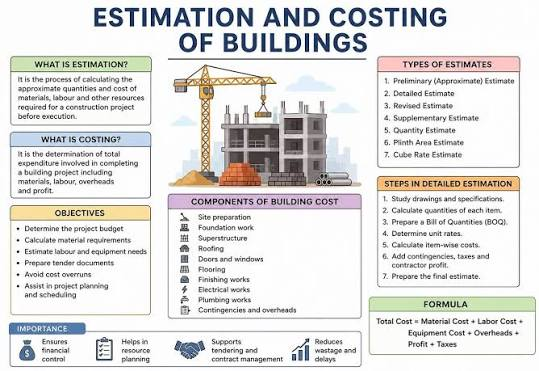
Rather than relying on rough assumptions, many contractors use a professional construction estimation service to evaluate labor requirements, material quantities, equipment costs, subcontractor pricing, and project-specific variables. Accurate estimates improve budgeting, support competitive bidding, and reduce the risk of costly surprises during construction.
Detailed estimates also help identify opportunities to improve efficiency without compromising quality. When project teams understand where resources will be allocated, they can prioritize spending more effectively and avoid unnecessary waste.
Creating an Effective Project Schedule
Time management plays a vital role in construction success.
An effective schedule identifies major project milestones, establishes realistic deadlines, and coordinates activities among different trades. Sequencing work properly ensures that one task is completed before another begins, reducing downtime and preventing scheduling conflicts.
Weather conditions, permit approvals, material deliveries, and subcontractor availability should all be considered when developing a timeline.
While every project experiences occasional adjustments, a well-structured schedule provides flexibility without losing sight of the overall completion date.
Managing Risks Before They Become Problems
Every construction project involves some degree of risk. Identifying potential challenges during the planning phase allows teams to develop strategies before those issues impact the project.
Common risks include:
- Material shortages
- Supply chain disruptions
- Labor availability
- Adverse weather conditions
- Unexpected site conditions
- Design modifications
- Regulatory changes
Risk management does not eliminate every challenge, but it significantly improves a team’s ability to respond quickly and minimize disruption.
Many successful projects include contingency plans that outline alternative solutions if unexpected situations arise.
Improving Communication Among Stakeholders
Construction projects often involve dozens of individuals and organizations working toward the same objective.
Owners, architects, engineers, contractors, subcontractors, suppliers, inspectors, and local authorities all contribute to different stages of the project. Without clear communication, misunderstandings can easily occur.
Planning meetings provide opportunities to clarify expectations, discuss responsibilities, review schedules, and identify potential concerns before construction begins.
Using project management software and maintaining consistent communication throughout the project further improves coordination and reduces unnecessary delays.
Allocating Resources Efficiently
Successful planning also includes effective resource management.
Construction companies must coordinate skilled labor, equipment, building materials, and financial resources to avoid interruptions. Ordering materials too early can create storage challenges, while ordering too late may delay the project.
Similarly, scheduling subcontractors requires careful coordination to ensure each trade arrives at the appropriate stage of construction.
Efficient resource allocation improves productivity and helps maintain steady progress throughout the project.
The Role of Technology in Project Planning
Modern technology has transformed how construction projects are planned and managed.
Building Information Modeling (BIM), project management platforms, drones, digital scheduling tools, and cloud-based collaboration software provide valuable insights that improve decision-making.
These technologies allow teams to visualize projects before construction begins, identify design conflicts, monitor progress, and share updates more efficiently.
Digital tools also improve documentation, making it easier to track project changes and maintain accurate records.
While technology cannot replace experienced professionals, it serves as a valuable resource for improving planning accuracy and overall project performance.
Learning From Previous Projects
One of the most valuable planning resources is experience.
Reviewing completed projects helps construction professionals identify what worked well and where improvements can be made. Lessons learned from previous successes and challenges can improve future planning processes and reduce the likelihood of repeating costly mistakes.
Keeping detailed project records, conducting post-project evaluations, and encouraging team feedback all contribute to continuous improvement.
Organizations that consistently analyze past performance often become more efficient over time.
Building Strong Client Relationships
Accurate planning benefits not only construction teams but also clients.
When expectations are communicated clearly from the beginning, clients gain confidence in the project’s direction and progress. Transparent budgeting, realistic schedules, and regular updates help establish trust throughout the construction process.
Clients appreciate contractors who identify potential challenges early rather than waiting until problems become unavoidable.
Strong planning demonstrates professionalism and often leads to higher customer satisfaction, repeat business, and positive referrals.
Final Thoughts
Every successful construction project begins with careful planning. From defining project goals and preparing realistic budgets to managing risks, coordinating resources, and maintaining clear communication, every planning decision influences the final outcome.
As projects continue to grow in complexity, investing time in thorough preparation becomes increasingly important. Accurate planning helps reduce uncertainty, improve efficiency, and create a stronger foundation for every stage of construction.
While unexpected challenges may still arise, a well-prepared team is far better equipped to adapt, solve problems, and keep the project moving forward. Ultimately, thoughtful planning is not simply an administrative task—it is one of the most valuable investments any construction project can make.
