

Meta Description: Learn which EEAT signals law firm websites need to build trust with Google and readers, from author bios to credentials and citations.
Google has made it clear that legal content sits in a category it scrutinizes closely. Search engines call this YMYL, short for “Your Money or Your Life,” and law firm websites fall squarely inside it. A visitor reading about personal injury claims, custody rights, or criminal defense needs accurate information, and Google wants to reward sites that actually deliver it.
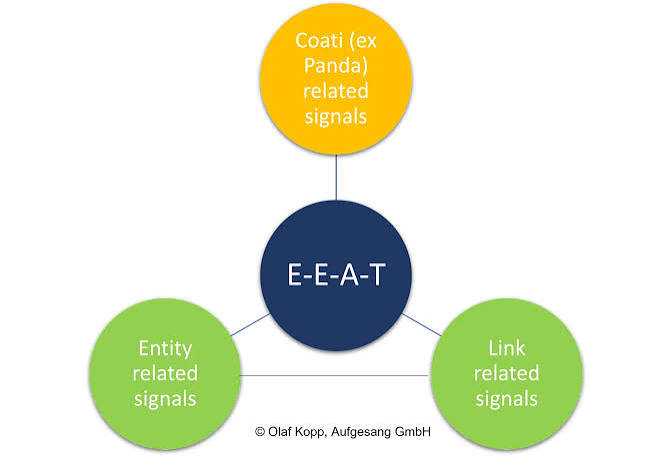
This is where EEAT comes in. Experience, Expertise, Authoritativeness, and Trustworthiness are the signals Google’s quality raters look for when they evaluate content in sensitive categories. For law firms, these signals aren’t abstract SEO jargon. They translate into specific, visible elements on a website that both readers and search engines can check.
Below is a practical look at the EEAT signals that matter most for legal websites, and how firms can put them in place without overhauling their entire site.
Author Bios That Show Real Legal Background
A blog post about wrongful termination carries more weight when readers know who wrote it. A short author bio at the end of each article should include the writer’s name, their role at the firm, and a sentence or two about their background in that practice area.
If the content was written by a paralegal or marketing team member but reviewed by an attorney, say so. A line like “Reviewed by [Attorney Name], licensed to practice in [State]” gives readers a clear signal that a qualified person stood behind the content.
Photos help too. A generic stock image next to a bio reads as filler. A real photo of the person, even a simple headshot, makes the bio feel like it belongs to an actual human being.
Credentials That Are Easy to Find
Bar admissions, law school, years of practice, and any board certifications should live somewhere visible, not buried three clicks deep. Many firms already list this information on an “About” or “Attorneys” page, but it’s worth checking whether that page is linked from the main navigation and from individual attorney bios.
Some firms also list professional memberships, such as state bar associations or specialty legal groups. These aren’t required, but they add another layer of verification for readers and for Google.
Specialization Pages That Go Beyond a Practice Area List
Many law firm websites list practice areas as a single line item, such as “Personal Injury” or “Family Law,” with a short paragraph underneath. That’s a start, but it doesn’t do much to demonstrate expertise on its own. A stronger approach is a dedicated page for each practice area that explains the kinds of cases the firm actually handles, the general process a client can expect, and common questions that come up early in a consultation.
This kind of page serves two purposes at once. It gives potential clients a clearer picture of what working with the firm looks like, and it gives Google more substantive content to associate with that attorney’s expertise in that specific area of law. A firm that handles both criminal defense and estate planning benefits from separating those topics clearly, rather than blending them into one general overview.
The Roxell Richards blog is a useful example of this in practice, with individual posts organized around specific case types rather than one general personal injury page trying to cover everything at once.
Case Results and Client Outcomes, Handled Carefully
Case results can support trust, but they need context. A number without explanation, like “$2 million settlement,” means little to a reader who doesn’t know the circumstances. A brief description of the case type and outcome, paired with a disclaimer that results vary by case, is more useful and avoids setting unrealistic expectations.
Testimonials work the same way. A short quote from a past client, tied to a first name and general location, feels more credible than an anonymous five-star rating with no context.
Citations to Primary Sources
Legal content earns trust when it points to where the information actually comes from. Linking to state statutes, court rulings, or government agency pages shows readers and search engines that the content isn’t just an opinion piece. It’s grounded in something verifiable.
This doesn’t mean every sentence needs a citation. It means that when an article references a specific law, deadline, or legal standard, there should be a link to the primary source, not just a vague mention of “the law states.”
A Clear, Human Editorial Process
Readers increasingly want to know how content gets made, especially now that AI writing tools are common. A short “how we create content” page, or even a paragraph in the site’s About section, can explain the process. Who researches the topic, who writes it, and who at the firm reviews it before it goes live.
This kind of transparency isn’t just good practice. It directly answers the kind of questions Google’s quality raters are trained to ask when they assess whether a page was produced with genuine expertise.
Trust Markers Beyond the Content Itself
EEAT isn’t only about what’s written on the page. It also includes signals around the site itself:
- A working, monitored contact page with a real phone number and address
- Consistent business information across the website, Google Business Profile, and legal directories
- An accessible privacy policy and terms of service
- HTTPS and basic site security
- Reviews on third-party platforms like Google or Avvo, linked or referenced where relevant
None of these require legal expertise to implement, but they all contribute to the overall impression that a firm is established and operates transparently.
Updating Old Content Instead of Letting It Sit
Laws change. A blog post about a state’s statute of limitations written five years ago may no longer be accurate. Part of maintaining EEAT is going back through older content and updating it when regulations shift, rather than leaving outdated information live indefinitely.
A simple “last updated” date near the top of each article, paired with an actual review of the content, tells readers the firm is keeping its resources current. This is a smaller lift than writing new content from scratch, and it often has an outsized impact on how a page performs over time.
It helps to keep a running list of high-traffic pages and check them on a set schedule, rather than reviewing content only when someone happens to notice it’s outdated. A quarterly review of the firm’s top articles and practice area pages catches most issues before they become a problem for readers or for search rankings.
Where Outside Support Fits Into the Process
Many firms don’t have a full in-house marketing team, so they bring in outside support to keep their content and site infrastructure running smoothly. This can include anything from technical SEO audits to managing the review workflow that keeps attorney bios and case pages current. A digital marketing solutions partner can serve as one option firms consider when they need that kind of ongoing support, though the underlying trust still comes from the licensed attorneys reviewing and standing behind the content itself.
The same principle applies no matter who or what helps produce the content. Outside support can help with structure, consistency, and speed, but a law firm’s EEAT ultimately depends on a licensed professional standing behind the final version.
Bringing It All Together
None of these signals work in isolation. A well-written bio means less if the credentials behind it can’t be verified. A citation to a statute means less if the surrounding content reads like it was generated without any legal review. EEAT is less a checklist to complete once and more an ongoing practice of showing, clearly and consistently, that real expertise sits behind what a firm publishes.
For law firms building out their website and content strategy, the practical starting point is usually the simplest one: make sure every piece of content has a named, credentialed person behind it, and make that person easy to find. From there, the rest, from citations to case results to a clear editorial process, builds naturally on top of that foundation.
Firms that treat these signals as a standard part of their content process, rather than an afterthought, tend to build a site that readers trust and that search engines are more willing to surface for competitive legal terms.
