

Search has changed significantly over the past few years. Instead of typing a few keywords into a search engine and browsing multiple websites, many people now ask AI assistants complete questions and expect direct answers. Platforms powered by large language models can summarize information, compare products, explain concepts, and recommend resources within seconds. This shift is changing how people discover content and how businesses build their online presence.
As AI-powered search becomes more common, website owners are looking beyond traditional optimization techniques. The goal is no longer just to appear on the first page of search results but also to become a trusted source that AI systems can understand and reference when generating responses.
How AI Search Differs From Traditional Search
Traditional search engines rank webpages based on hundreds of factors, including content quality, backlinks, page experience, and relevance to a user’s query. Users then choose which result to visit.
AI search works differently. Instead of displaying only a list of links, AI models analyze information from multiple sources and generate a conversational answer. While links may still be provided, users often receive the information they need before visiting a website.
This means websites need to focus on more than keyword rankings. Clear writing, factual accuracy, logical structure, and topical authority have become increasingly important because they help AI systems understand content more effectively.
What Makes Content Easier for AI to Understand
Large language models process information by identifying relationships between topics, entities, and context. Well-organized content is generally easier for these systems to interpret.
Some characteristics of AI-friendly content include:
- Clear headings and subheadings
- Accurate and up-to-date information
- Logical content structure
- Natural language instead of keyword stuffing
- Answers to common user questions
- Reliable supporting sources
- Consistent terminology throughout the page
These practices also improve the experience for human readers, making content easier to scan and understand.
Why Topical Authority Matters
Publishing a single article about a subject is rarely enough to establish expertise. Websites that consistently cover related topics in depth often build stronger topical authority over time.
For example, a website about digital marketing may publish detailed content covering technical SEO, content strategy, analytics, local SEO, structured data, AI search, and user experience. Together, these articles create a comprehensive knowledge base that demonstrates expertise in the subject.
This approach helps both traditional search engines and AI systems better understand the website’s area of specialization.
The Importance of Content Quality
High-quality content remains one of the strongest foundations of online visibility. Rather than creating articles simply to target keywords, successful websites focus on answering real questions with useful and accurate information.
Quality content often includes:
- Original insights
- Practical examples
- Updated statistics when relevant
- Balanced explanations
- Easy-to-read formatting
- Information supported by credible sources
Well-written content tends to remain valuable for a longer period and is more likely to earn references from other websites.
Technical SEO Still Matters
Although AI search introduces new opportunities, technical SEO continues to play an important role.
Search engines and AI systems still rely on websites that load quickly, work well on mobile devices, use secure connections, and allow content to be crawled efficiently.
Basic technical practices include maintaining clean website architecture, fixing broken links, improving page speed, and using descriptive title tags and meta descriptions. These improvements support better indexing and create a better experience for visitors.
Measuring Visibility Beyond Rankings
Traditional SEO tools often focus on keyword positions, backlinks, and organic traffic. While these metrics remain useful, many marketers are also beginning to evaluate how their content appears within AI-generated responses.
Research into LLM SEO Optimization Software explores methods for understanding how AI systems interpret website content, identify trusted sources, and surface information during conversational search experiences. Learning how these systems evaluate content can help businesses adapt their long-term content strategies as AI-powered search continues to evolve.
Creating Content for People First
One principle has remained consistent despite advances in search technology: content should primarily help people.
Instead of writing articles around search algorithms, creators should focus on solving problems, answering questions, and providing accurate information in a simple and organized way.
Content that satisfies readers is also more likely to be shared, linked to, and referenced by other sources over time.
Building Trust Online
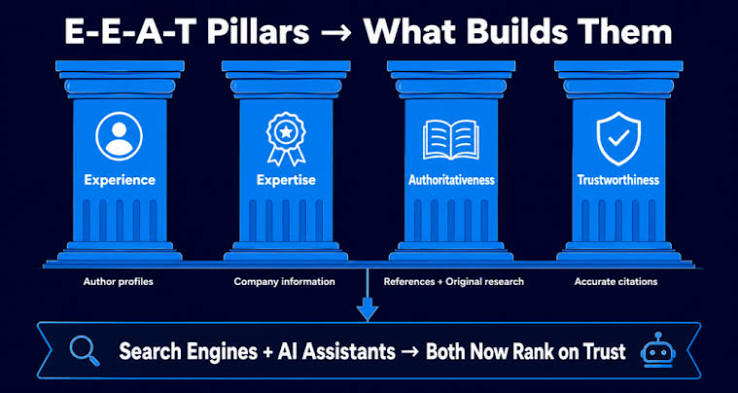
Trust plays an important role in digital publishing. Readers are more likely to rely on websites that demonstrate expertise, transparency, and consistency.
Ways to build trust include:
- Publishing accurate information
- Updating outdated content
- Citing reliable sources
- Providing clear author information
- Avoiding misleading headlines
- Maintaining consistent quality across the website
Trust is valuable not only for visitors but also for search technologies that attempt to identify reliable information.
Looking Ahead
Artificial intelligence will continue influencing how people search for information. Search engines are becoming more conversational, and AI assistants are increasingly helping users make decisions, compare options, and learn about new topics.
While the technology will continue to evolve, the core principles of successful content are unlikely to change. Websites that prioritize quality, relevance, accuracy, and user experience will remain better positioned to succeed regardless of how search platforms develop.
Conclusion
AI-powered search represents an important step in the evolution of online information discovery. Rather than replacing traditional SEO, it expands the ways users find and consume content.
For website owners and content creators, the best long-term strategy is to publish trustworthy, informative, and well-structured content that genuinely helps readers. By combining strong technical foundations with high-quality information, websites can improve their visibility across both traditional search engines and emerging AI-driven search experiences.
