

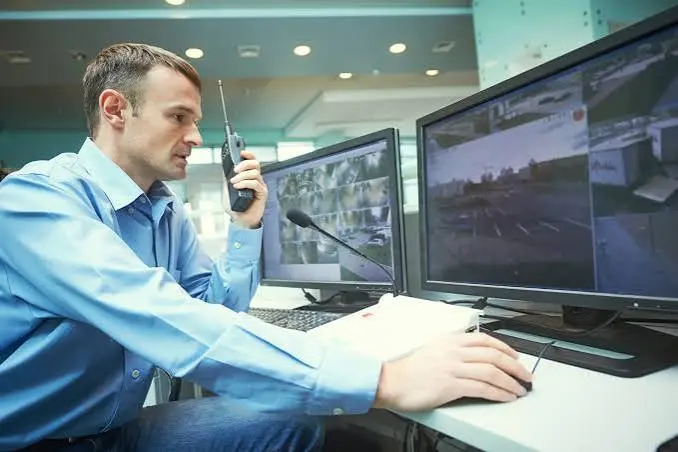
Business security has evolved significantly over the past two decades as organisations adapt to new technologies, changing working patterns, and increasingly complex operational environments. Protecting physical premises is no longer limited to locks, alarms, and security personnel. Instead, many organisations now combine multiple layers of protection that work together to monitor activity, reduce vulnerabilities, and support day-to-day operations.
From warehouses and office buildings to manufacturing facilities and retail spaces, every commercial environment presents different security challenges. Some businesses need to monitor valuable stock, while others focus on protecting sensitive information, ensuring employee safety, or maintaining compliance with industry regulations. Understanding how these different elements fit together helps organisations create a balanced and practical approach to physical security.
Why Risk Assessments Matter
Before any security measures are introduced, businesses often begin with a thorough assessment of potential risks. This process identifies the assets that require protection, evaluates possible threats, and considers the likelihood of security incidents occurring.
A comprehensive assessment examines factors such as building layout, access points, lighting conditions, operating hours, and visitor traffic. External influences, including surrounding businesses, local crime trends, and environmental conditions, may also play a role.
Rather than applying identical solutions to every property, risk assessments allow organisations to prioritise resources where they are most needed. This tailored approach can improve efficiency while avoiding unnecessary complexity.
Physical Security as a Layered System
Effective commercial security relies on multiple layers working together rather than depending on a single measure. Physical barriers are usually the first line of defence. Fencing, secure doors, reinforced windows, and controlled vehicle access can discourage unauthorised entry before an individual reaches the building itself.
The second layer often involves monitoring and detection. Motion sensors, alarm systems, access control devices, and surveillance technologies help identify unusual activity and provide information about events as they occur.
Finally, procedural measures support the physical infrastructure. Staff training, visitor management, identification policies, and emergency response plans contribute to a more complete security strategy by ensuring people understand their responsibilities.
The Role of Surveillance Technology
Video surveillance has become an important component of modern commercial security because it provides visual records of activity across a site. Advances in digital imaging, network connectivity, and data storage have transformed surveillance from simple recording devices into integrated systems capable of supporting broader security objectives.
Many organisations use surveillance to observe entrances, loading areas, reception spaces, parking facilities, and restricted zones. Recorded footage may assist with incident investigations, operational reviews, or health and safety assessments, depending on the circumstances.
The effectiveness of surveillance depends on thoughtful placement, appropriate image quality, suitable lighting, and clear operational policies. Equipment positioned without considering blind spots or environmental conditions may not provide meaningful information when needed.
Planning Camera Placement
Strategic camera positioning is often more important than the number of cameras installed. High-traffic entrances, emergency exits, delivery bays, corridors, and storage areas are commonly prioritised because they experience regular movement or contain valuable assets.
Outdoor installations require consideration of weather exposure, changing daylight conditions, and seasonal variations. Indoor cameras may need to account for reflections, machinery, shelving, or temporary obstacles that could affect visibility.
Businesses selecting commercial CCTV camera systems typically evaluate how coverage supports their operational requirements while respecting privacy obligations and relevant legal considerations. A carefully planned layout aims to reduce blind spots without creating unnecessary duplication.
Access Control and Identity Management
Monitoring activity is only one aspect of commercial security. Restricting access to authorised individuals helps reduce opportunities for theft, accidental entry, and unauthorised movement within a building.
Access control systems can range from traditional key management to electronic credentials, proximity cards, biometric identification, or mobile authentication. Different departments may require different access permissions depending on operational responsibilities.
Maintaining accurate records of who enters and exits particular areas can support investigations, improve accountability, and help organisations manage occupancy during emergencies. Combining access control with other security measures creates a more coordinated security environment.
Supporting Workplace Safety
Security infrastructure frequently contributes to workplace safety alongside its protective function. Video monitoring may help identify hazards such as blocked fire exits, unsafe working practices, vehicle movements, or unauthorised access to dangerous equipment.
In industrial settings, surveillance can provide additional context when investigating accidents or reviewing operational procedures. While cameras are not a substitute for health and safety management, they may offer valuable information that assists in understanding how incidents developed.
Emergency planning also benefits from reliable security infrastructure. During evacuations or emergency responses, accurate information about building occupancy and site conditions can improve coordination.
Data Management and Privacy Considerations
As surveillance technology has advanced, responsible data management has become increasingly important. Businesses collecting video footage should understand applicable legal requirements relating to storage, retention, access, and disclosure.
Clear policies help define how long recordings are kept, who can access them, and under what circumstances footage may be reviewed. Appropriate cybersecurity measures are equally important, particularly where surveillance systems connect to organisational networks.
Encryption, secure authentication, regular software updates, and controlled administrative access all contribute to protecting recorded information from unauthorised access or misuse. Good governance supports both operational effectiveness and regulatory compliance.
Integrating Security Technologies
Modern commercial environments often benefit from integrating multiple security systems into a unified platform. Rather than operating independently, surveillance, alarms, access control, intercoms, and building management systems can exchange information to provide a more comprehensive overview of site activity.
For example, an access control event may automatically display video from a nearby camera, allowing authorised personnel to verify activity more efficiently. Alarm activations can trigger recording priorities or notify designated staff, improving awareness during incidents.
Integration also simplifies management by reducing the need to operate multiple separate interfaces while improving the consistency of security records across different systems.
Maintenance and Long-Term Performance
Security equipment requires regular maintenance to remain reliable over time. Cameras may need cleaning, software updates, alignment checks, and routine testing to ensure image quality remains consistent. Environmental conditions such as dust, vibration, moisture, or extreme temperatures can gradually affect performance if left unaddressed.
Routine inspections also help identify damaged cables, storage capacity issues, network connectivity problems, or ageing components before they contribute to system failures. Preventive maintenance reduces unexpected downtime and supports continuous operation.
Organisations using commercial CCTV camera systems often include scheduled maintenance as part of broader facility management practices, recognising that ongoing reliability depends on both the technology and the processes surrounding its operation.
Looking Ahead
Commercial security continues to develop as organisations respond to evolving risks and technological innovation. While equipment capabilities have expanded considerably, successful security strategies remain grounded in careful planning, risk assessment, and responsible management.
Businesses that understand their operational environment, maintain clear security procedures, and regularly review their infrastructure are better positioned to respond to changing circumstances. Whether protecting people, property, information, or business continuity, modern security is most effective when physical measures, technology, and organisational practices work together as part of a coordinated system.
