

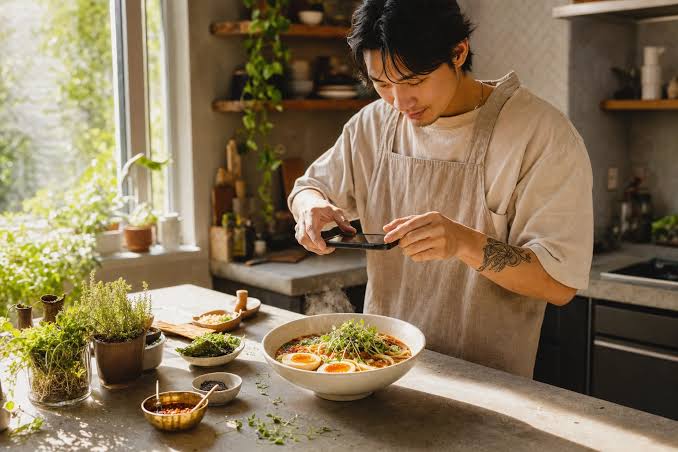
Food content is sensory by nature. A recipe video does its best work when it makes the viewer hungry before a single ingredient has been named — when the visual of oil hitting a hot pan, or chocolate being poured over a cake, creates a physical response in the body before the brain has consciously processed what’s being watched.
Music is the sensory layer that most food creators underinvest in despite its direct effect on how food content feels. Research on multisensory perception is consistent: the music playing while someone views food content affects how they perceive the food’s qualities. High-pitched, bright music makes food seem sweeter. Low, complex sounds emphasize savory and bitter notes. Upbeat, light music makes cooking feel approachable; something slower and more deliberate makes the same dish feel artisanal and considered. Food stylists know this; food content creators rarely think about it explicitly.
AI music tools make it practical to apply this understanding to every piece of content rather than just hoping a library track happens to land in the right register.
Music Built for the Dish, Not the Genre
The standard approach to music in recipe content is to pick a track by tempo and mood — something upbeat for quick recipes, something slower for baking content, something generic and warm for comfort food. The problem is that “upbeat” and “warm” describe a wide range of sounds, and the specific quality of the music matters more than the general category.
An ai song maker free generates original music from a description specific enough to match a particular dish or cuisine. “Bright, Mediterranean, acoustic guitar and light percussion, feels like cooking outdoors in summer” produces something completely different from “warm, Southern American, slow, the feeling of something that’s been in the oven for hours.” The music is built for the specific culinary world rather than the nearest available genre approximation.
For food creators who specialize — who have built an audience around a specific cuisine, dietary approach, or cooking philosophy — developing original music that reflects that specialization creates a more coherent brand than rotating through generic library tracks. A channel dedicated to Japanese home cooking sounds different from a channel dedicated to Tex-Mex, and that difference, consistently maintained, is part of what makes each channel feel like it has a genuine point of view.
Setting the Pace of the Cook
Food video editing has a specific relationship with music that most other content categories don’t share: the cuts often happen on beats, the pour or the chop or the fold lands on a musical accent, and the overall pacing of the cooking process is communicated through the tempo of the track underneath it. When the music is chosen after the video is edited, the sync is approximate. When the music is generated to match the pacing of a specific recipe’s cooking process, the sync can be intentional.
Text to song generates music from a description that can include structural information alongside mood and genre. “Starts calm and methodical for prep work, builds slightly through the cooking phase, reaches a relaxed peak at the plating moment” is a description of a cooking video’s arc that produces music designed to follow that structure. The edit and the music are built around the same intention rather than one being fitted to the other after the fact.
For creators producing at volume — multiple recipe videos per week across different cuisines and cooking methods — this also speeds up the production process. Rather than auditioning dozens of library tracks to find one that fits the edit, generating music from a brief description of the recipe’s character produces a starting point that’s already in the right territory.
Writing the Recipe Into the Music
Some food creators have developed a content format that goes beyond cooking demonstration into food storytelling — the origin of a dish, the cultural context of a cuisine, the personal memory attached to a family recipe. These pieces of content are closer to documentary than tutorial, and they deserve audio that reflects that.
Lyrics to music turns the story around a recipe into a song. Write the narrative — where this dish comes from, who taught you to make it, what eating it means — as lyrics, and generate a fully produced, vocally performed piece of music built around those words. A food creator whose channel is built around their grandmother’s recipes can write the story of one of those recipes as a song. A travel food creator whose content documents regional cuisines can turn the story of a dish they discovered into music that carries both the culinary and personal significance of the find.
This kind of content performs differently from a standard recipe video because it operates on a different emotional register. A recipe teaches; a song about a recipe creates memory and emotional connection. For food creators who want some of their content to reach beyond the audience that’s looking for a specific recipe and into the audience that cares about food as culture and identity, music is the format that makes that reach possible.
Building a Channel That Sounds as Good as It Looks
The food content space has become extremely competitive on the visual side. Camera quality, lighting, food styling, and editing have all reached high standards across the category. The creators who stand out are increasingly doing so not by exceeding those visual standards but by excelling in dimensions where the competition is less intense.
Audio is one of those dimensions. A channel with original, cuisine-specific music that plays consistently across all content develops a sonic signature that followers recognize across platforms. That recognition compounds: viewers who have heard the channel’s audio signature across dozens of videos start to feel a specific kind of comfort and anticipation when they hear it, the same way that hearing the theme of a favorite television cooking show creates a Pavlovian response of appetite and attention.
For food creators who have optimized their visual production and are looking for the next differentiation lever, original AI-generated music is one of the most accessible and most underused options available.
