

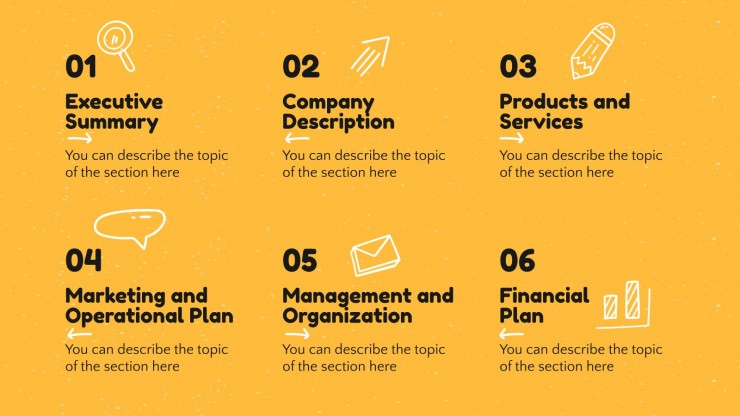
Starting an IT startup is easy. Building a business out of it is not. An idea may sound promising, but unless it is clearly structured and communicated, it remains just an idea. A business plan presentation helps turn that idea into something others can understand, evaluate, and trust.
It forces founders to think beyond the product and focus on how it becomes a business. It pushes you to define your market, your revenue model, and your growth path. Without that clarity, even strong technology can struggle to find direction.
Why Startups Need a Business Plan
A business plan is not a formality. It is a working tool that shapes how a startup thinks and operates from the beginning. This is the real reason for a business plan—it helps founders move from assumptions to clear decisions, understand their market, and build with direction instead of confusion.
1. It turns an idea into a direction
Most startups begin with a solution, not a problem. That creates confusion. A plan forces you to define the problem, the audience, and why your product matters.
2. It improves decision-making
Early-stage startups face constant decisions—pricing, hiring, positioning, marketing. Without structure, decisions become reactive. A plan gives you a clear basis to evaluate choices.
3. It strengthens communication
If you cannot explain your business simply, no one will take it seriously. A structured plan helps you present your idea in a way others can understand and trust.
4. It exposes gaps early
When you write down your strategy, weaknesses become obvious. You may find your pricing is unrealistic, your market is too broad, or your growth plan does not hold. Fixing this early saves time, money, and credibility.
5. It keeps the team aligned
Startups drift when everyone works in different directions. A plan defines what you are building, who it is for, and what success looks like.This keeps execution focused.
Why Presentation Matters for IT Startups
Many IT founders rely on their product and assume it will speak for itself. It won’t.
Investors are not just evaluating your technology. They are evaluating your understanding of the business.
If your explanation is unclear or too technical, they lose interest immediately.
A strong presentation does three things:
- Explains the problem in simple terms
- Shows how your solution creates value
- Proves how the business will grow and make money
Clarity is what gets attention. Structure is what builds confidence.
How It Strengthens Your Strategy
Creating a structured plan forces you to slow down and think.
When you define your revenue model, customer segments, and growth approach, gaps appear.
These gaps are not problems—they show you what needs to be fixed.
You might realise:
- Your pricing does not match your target audience
- Your marketing plan is unrealistic
- Your product solves a smaller problem than expected
Identifying this early gives you control before external pressure exposes it.
It Builds Trust and Credibility
Startups run on trust.
Investors are not betting on your idea. They are betting on your ability to execute.
A clear and structured plan shows that you:
- Understand your market
- Have thought through your business model
- Are aware of risks and challenges
Even non-technical stakeholders can evaluate clarity and logic. That is what builds credibility.
It Keeps Your Team Focused
Early-stage teams lose direction faster than they realise.
Without a shared reference, product, marketing, and growth efforts start pulling in different directions.
A structured plan keeps everyone aligned by defining:
- What you are building
- Who are you building it for
- What success looks like
This reduces confusion and improves execution speed.
What to Include in an IT Startup Business Plan
Not all plans are equal, but these elements are non-negotiable:
Problem and Solution
Clearly define the problem and how your product solves it
Target Market
Identify your ideal customers and market size
Product Overview
Explain your product simply. Focus on value, not features
Business Model
Show how you will generate revenue
Competitive Landscape
Acknowledge competitors and define your advantage
Go-to-Market Strategy
Explain how you will acquire customers
Financial Projections
Provide realistic revenue, cost, and funding estimates
Team
Show why your team is capable of executing the plan
Common Mistakes to Avoid
Most startups fail in execution, not in ideas.
Over-explaining the technology: If they don’t understand it, they won’t invest
Unrealistic projections: Overpromising signals poor judgment
Ignoring competitors: This shows weak market awareness
No clear ask: If you need funding, state it directly
Final Thoughts
A business plan is not just a document. It defines how you think, communicate, and build.
For IT founders, the challenge is not building technology. It is proving why it matters and how it becomes a business.
If your story is clear and realistic, funding, partnerships, and growth follow.
FAQ
Do I need a business plan if I am just starting?
Yes. Even a simple plan helps you define your direction and avoid confusion.
How long should an IT startup presentation be?
10–15 slides are enough. Focus on clarity, not volume.
What is the difference between a business plan and a pitch deck?
A pitch deck is a short overview. A business plan is a detailed explanation of business.
How often should I update it?
Review it every six months or whenever your strategy changes.
Can I use a template?
Yes, but if you don’t customise it, it will look generic and weaken your message.
