

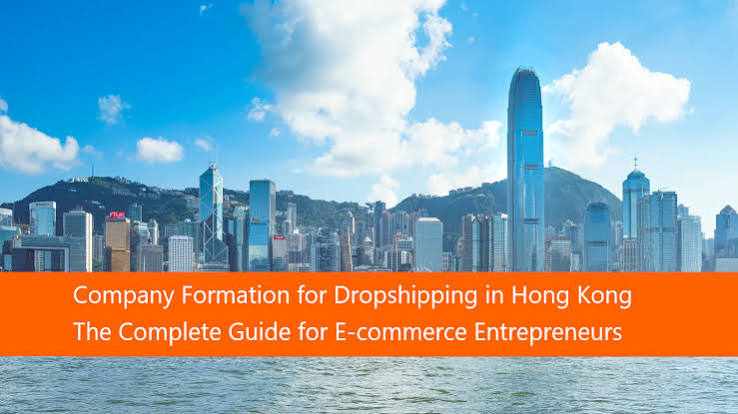
Starting an e-commerce company in Hong Kong can be an attractive opportunity for entrepreneurs who want to access a highly connected Asian market while operating from a business-friendly international hub. Hong Kong has a sophisticated financial system, strong logistics infrastructure, widespread digital adoption, and close commercial links with Mainland China and other major Asian markets.
However, launching an online store involves more than creating a website and listing products. Entrepreneurs need to choose the right business structure, register the company, understand tax obligations, arrange payment processing, comply with consumer and data-protection requirements, and develop a reliable fulfillment strategy.
This guide explains how to start an e-commerce company in Hong Kong, from choosing a business model to launching and growing an online store.
Why Start an E-Commerce Company in Hong Kong?
Hong Kong offers several advantages for e-commerce entrepreneurs. Its strategic location makes it a useful base for businesses targeting customers in Asia, while its established banking and logistics systems can support both local and international operations.
Another advantage is the variety of business models available. Entrepreneurs can sell products through their own websites, online marketplaces, social media platforms, or a combination of channels.
Hong Kong can also be suitable for businesses that want to operate internationally. A company can source products from different countries, maintain operations in Hong Kong, and sell to customers across multiple markets.
Before making a decision, however, entrepreneurs should consider factors such as operating costs, product regulations, shipping requirements, competition, and the specific markets they intend to serve.
Choose Your E-Commerce Business Model
The first step to start an e-commerce company in Hong Kong is deciding exactly how the business will operate.
Common e-commerce models include:
1. Business-to-Consumer (B2C)
In a B2C model, the company sells directly to individual customers. Examples include fashion stores, beauty brands, electronics retailers, and specialty food businesses.
2. Business-to-Business (B2B)
A B2B e-commerce company sells products or services to other businesses. This can include wholesale products, office supplies, industrial goods, software, or professional services.
3. Dropshipping
Dropshipping allows an entrepreneur to sell products without keeping all inventory in-house. When a customer places an order, a supplier fulfills the order on behalf of the retailer.
Although this model can reduce inventory requirements, entrepreneurs should carefully evaluate supplier reliability, delivery times, product quality, refunds, and customer service.
4. Marketplace
A marketplace connects multiple sellers with customers through a single online platform. This model can be more complex because it requires technology, seller management, payment systems, and dispute-resolution processes.
Select a Suitable Company Structure
Once you have selected your business model, determine the appropriate legal structure.
A private company limited by shares is a common structure for businesses that want a separate legal entity and the ability to bring in investors or shareholders.
Other structures may be suitable depending on the nature and size of the business. The choice can affect liability, administration, taxation, financing, and future expansion.
Entrepreneurs should consider their ownership structure, expected revenue, investment requirements, and long-term plans before choosing a structure.
For businesses with international owners, professional advice can also be useful because ownership and management arrangements may create additional legal, tax, or banking considerations.
Register Your Company in Hong Kong
The company formation process is an important stage when you start an e-commerce company in Hong Kong.
Generally, entrepreneurs need to select a company name, prepare incorporation documents, identify directors and shareholders, provide a registered office arrangement, and complete the relevant registration procedures.
After incorporation, the company should maintain appropriate statutory records and meet ongoing filing requirements.
The exact requirements can vary according to the company’s structure and activities, so it is important to check the current requirements with the relevant Hong Kong authorities or a qualified professional.
Open a Business Bank Account
A dedicated business bank account helps separate company finances from personal funds and makes it easier to track sales, expenses, supplier payments, taxes, and other transactions.
Banks may conduct detailed due diligence before opening an account. Business owners should therefore be prepared to provide corporate documents, identification, information about directors and shareholders, details about the business model, expected transaction volumes, supplier relationships, and the company’s source of funds.
For an e-commerce company, it can also be useful to select banking and payment solutions that support the currencies and markets where the business expects to operate.
Understand Hong Kong Taxes
Tax planning should be considered before launching the business rather than after the company starts generating revenue.
Hong Kong operates a territorial taxation system, but whether particular income is taxable depends on the circumstances and applicable rules. Businesses should not assume that operating an online store automatically makes all income tax-free or taxable.
An e-commerce company should maintain accurate records of sales, expenses, invoices, payment-processing fees, advertising costs, inventory purchases, and other business transactions.
Professional tax advice can be particularly valuable for companies selling internationally because cross-border transactions may involve additional considerations.
Build Your E-Commerce Website
Your website is effectively your online storefront, so it should be designed around customer trust and convenience.
A professional e-commerce website should generally include:
- Clear product descriptions
- High-quality product images
- Transparent pricing
- Secure checkout
- Multiple payment options
- Shipping information
- Return and refund policies
- Customer support information
- Privacy information
- Terms and conditions
- Mobile-friendly design
Website speed is also important. Customers are less likely to complete purchases if pages load slowly or the checkout process is complicated.
Your product pages should answer the questions customers are most likely to have before buying. Include product dimensions, materials, specifications, compatibility information, delivery estimates, and other relevant details.
Choose Payment Methods
Payment convenience can directly affect conversion rates.
Depending on your target customers, you may consider accepting credit and debit cards, digital wallets, bank-based payment methods, and other appropriate payment solutions.
When selecting a payment provider, compare:
- Transaction fees
- Supported currencies
- Settlement times
- Fraud-prevention tools
- Chargeback procedures
- Integration options
- Geographic availability
- Customer support
If you plan to sell internationally, ensure that your payment infrastructure can support customers in your priority markets.
Develop a Reliable Logistics Strategy
Logistics can make or break an e-commerce business.
Customers expect accurate delivery information, reasonable shipping costs, reliable tracking, and straightforward returns.
Before launching, decide whether you will:
- Store inventory yourself
- Use a third-party fulfillment provider
- Work directly with suppliers
- Use a hybrid fulfillment model
Your decision should depend on product volume, order frequency, product size, target markets, and expected delivery times.
For international e-commerce, calculate the complete cost of fulfilling an order. This can include packaging, warehousing, shipping, customs-related costs, payment fees, returns, and potential losses from damaged goods.
Understand Consumer and Data Protection Requirements
An online business collects customer information such as names, contact details, delivery addresses, and payment-related information. This means data protection should be treated as a core business responsibility.
Your website should clearly explain how customer information is collected, used, stored, and handled.
You should also establish procedures for handling customer requests, refunds, complaints, returns, and personal-data issues.
Do not collect more customer information than necessary, and ensure that access to business data is properly controlled.
If your company sells to customers outside Hong Kong, you may also need to consider privacy and consumer-protection laws applicable in those markets.
Create a Strong E-Commerce Marketing Strategy
Launching a website does not automatically generate sales. Your company needs a strategy for attracting qualified visitors and converting them into customers.
Search Engine Optimization
SEO can help your website appear when potential customers search for products or solutions related to your business.
Create useful product pages, category pages, buying guides, comparison content, FAQs, and educational blog posts.
For example, instead of publishing only promotional content, an online electronics store could create guides explaining how to choose a laptop, compare different specifications, or select accessories.
Social Media Marketing
Social media can help e-commerce businesses showcase products, build communities, answer questions, and generate repeat purchases.
The right platform depends on your target audience and product category. Focus on channels where your customers actually spend time rather than trying to maintain every social profile.
Paid Advertising
Search and social advertising can generate traffic quickly, but advertising costs need to be carefully monitored.
Track metrics such as:
- Cost per acquisition
- Conversion rate
- Average order value
- Return on advertising spend
- Customer lifetime value
Email Marketing
Email marketing can help turn one-time customers into repeat buyers. Useful campaigns include welcome emails, abandoned-cart reminders, product recommendations, promotional campaigns, and post-purchase messages.
Build Customer Trust
Trust is particularly important for a new e-commerce company.
Customers may hesitate to purchase from an unfamiliar website, especially when the business has little online history.
You can strengthen trust by providing:
- Clear company information
- Professional website design
- Secure payment options
- Transparent shipping policies
- Easy-to-understand returns
- Responsive customer support
- Genuine customer reviews
- Accurate product information
Avoid exaggerated claims or misleading product descriptions. A strong reputation can become one of your most valuable long-term business assets.
Track Your E-Commerce Performance
Once the store is operational, measure its performance regularly.
Important metrics include website traffic, conversion rate, average order value, customer acquisition cost, repeat purchase rate, cart abandonment, refund rate, and gross margin.
For example, high website traffic combined with low sales may indicate problems with pricing, product selection, website usability, trust, or checkout.
On the other hand, strong sales with weak profitability could mean that advertising, fulfillment, discounts, or payment costs are too high.
Data allows you to identify these problems and make better decisions.
Common Mistakes to Avoid
Entrepreneurs planning to start an e-commerce company in Hong Kong should avoid several common mistakes.
Launching Without Market Research
A product may look attractive to you but have limited demand. Research your target customers, competitors, pricing, reviews, and market size before investing heavily.
Ignoring Fulfillment Costs
Shipping and returns can significantly affect profitability. Calculate these costs before setting your prices.
Focusing Only on Website Design
A beautiful website is useful, but it does not replace product-market fit, marketing, customer service, and operational efficiency.
Neglecting Legal Requirements
Company registration is only one part of establishing an e-commerce business. Review relevant business, tax, consumer, privacy, advertising, product, and import/export requirements.
Depending on One Sales Channel
If your entire business depends on a single marketplace, advertising platform, or social network, a policy or algorithm change could have a major impact. Building your own customer base and website can reduce this risk.
How Much Does It Cost to Start an E-Commerce Company in Hong Kong?
There is no single cost applicable to every e-commerce company.
Your startup budget can include:
- Company incorporation and professional fees
- Registered office expenses
- Accounting and compliance
- Website development
- Domain and hosting
- E-commerce software
- Inventory
- Packaging
- Warehousing
- Payment-processing fees
- Marketing and advertising
- Shipping
- Customer service
- Professional legal or tax advice
A small online business may be able to start relatively lean, while an e-commerce company holding significant inventory or operating internationally may require substantially more capital.
The best approach is to prepare a detailed 12-month financial projection before launching.
Final Thoughts
To start an e-commerce company in Hong Kong, entrepreneurs need more than an online store. They need a clear business model, appropriate company structure, reliable payment and fulfillment systems, compliance procedures, effective marketing, and a strategy for building customer trust.
Hong Kong can provide a strong foundation for an e-commerce business because of its commercial infrastructure and international connectivity. However, success ultimately depends on choosing the right market, offering a product customers want, controlling costs, and delivering an excellent customer experience.
Start with a focused product range, validate demand, establish the business correctly, and improve your operations based on real customer and sales data. A carefully planned launch can give your e-commerce company a much stronger foundation for sustainable growth.
FAQs About Starting an E-Commerce Company in Hong Kong
1. Can foreigners start an e-commerce company in Hong Kong?
Yes, international entrepreneurs can establish businesses in Hong Kong, subject to applicable company, immigration, banking, tax, and regulatory requirements. The exact requirements depend on the individual’s circumstances and the company’s activities.
2. Is Hong Kong a good location for an e-commerce business?
Hong Kong can be an attractive location because of its international business environment, financial infrastructure, logistics network, and connections with Asian markets. However, suitability depends on your target customers, products, costs, and operating model.
3. Do I need a physical shop to start an e-commerce company in Hong Kong?
No. An e-commerce company can operate primarily online. However, the company still needs to meet applicable business registration, corporate, address, tax, and regulatory requirements.
4. What company structure is commonly used for e-commerce businesses?
A private company limited by shares is commonly considered by entrepreneurs because it provides a separate legal entity and can accommodate shareholders. The appropriate structure depends on the company’s circumstances.
5. Do e-commerce companies in Hong Kong pay tax?
Potentially, yes. Hong Kong’s tax rules depend on the nature and source of income and the circumstances of the business. Companies should maintain proper financial records and obtain professional advice where necessary.
6. Can I sell products outside Hong Kong?
Yes. E-commerce businesses can target international customers, but they should understand the import, export, customs, consumer-protection, privacy, tax, and product requirements applicable to each target market.
7. How can I attract customers to my Hong Kong e-commerce store?
SEO, social media marketing, paid advertising, email marketing, partnerships, content marketing, and referral programs can all help attract customers. The best strategy depends on your products and target audience.
8. Is dropshipping legal in Hong Kong?
Dropshipping can be used as an e-commerce business model, but businesses still need to consider applicable company, tax, consumer-protection, product, advertising, privacy, and cross-border requirements.
9. How long does it take to start an e-commerce company in Hong Kong?
The timeline varies depending on the company structure, documentation, banking arrangements, website development, suppliers, and regulatory requirements. Company incorporation and launching an operational online store are separate processes.
10. What is the most important thing to consider before starting?
Market demand should be one of your first considerations. Before spending heavily on inventory or marketing, make sure you understand your customers, competitors, pricing, margins, fulfillment costs, and expected sales.
