

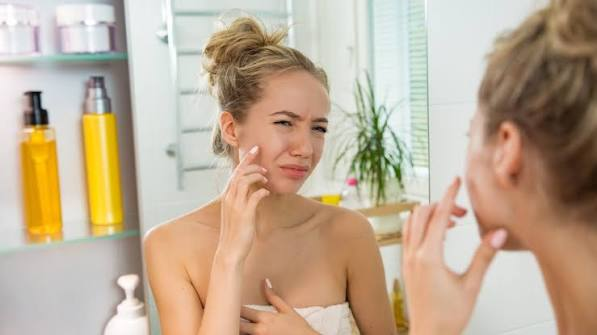
Redness and irritated skin can appear suddenly and often at the worst possible moment. One day your skin feels healthy and comfortable, and the next it may look flushed, feel tight, sting when you apply products, or react to things that never caused problems before. While occasional redness is common, understanding why it happens and how to calm it quickly can make a significant difference in both comfort and appearance.
Skin irritation can be triggered by many different factors. Weather changes, excessive sun exposure, over-exfoliation, harsh skincare products, allergies, stress, dehydration, and even lack of sleep can contribute to redness. Sometimes the cause is obvious, such as spending too much time in the sun. Other times, the trigger may be less noticeable, such as gradually damaging the skin barrier through an overly aggressive skincare routine.
One of the first things to understand is that irritated skin is often a sign that the skin barrier has become compromised. The skin barrier acts as a protective shield, helping retain moisture while defending against environmental aggressors. When this barrier is weakened, the skin becomes more reactive, sensitive, and prone to inflammation.
When redness appears, many people instinctively reach for more products in an attempt to fix the problem. Ironically, this can often make things worse. Applying multiple active ingredients, exfoliants, or treatments to already irritated skin may increase inflammation rather than reduce it. In many cases, the fastest way to calm the skin is actually to simplify the routine.
Gentle cleansing is one of the most important first steps. Harsh cleansers that leave the skin feeling tight or squeaky clean can worsen irritation. Instead, a mild cleanser that removes impurities without stripping the skin’s natural oils helps create an environment where recovery can begin.
Temperature also matters more than many people realize. Hot water can increase redness and contribute to further irritation. Washing the face with lukewarm water and avoiding prolonged exposure to heat can help reduce discomfort. Some people find that a cool compress provides temporary relief when redness becomes particularly noticeable.
Hydration face creams play a critical role in recovery. Irritated skin often struggles to retain moisture effectively. When moisture levels drop, the skin becomes even more vulnerable to external stressors. A simple, hydrating moisturizer can help support the barrier and improve comfort. The goal is not to overwhelm the skin with ingredients but to provide support while it repairs itself.
Another common mistake is continuing to use strong active ingredients during a flare-up. Products containing powerful acids, retinoids, or aggressive acne treatments may be helpful under normal circumstances, but they can be too much for skin that is already inflamed. Temporarily reducing or pausing these products may allow the skin to recover more efficiently.
Sun exposure deserves special attention. Ultraviolet radiation can worsen redness and prolong irritation. Even if the redness was not originally caused by the sun, UV exposure may intensify inflammation. Daily sun protection is therefore an important part of calming irritated skin and preventing additional stress.
Stress itself is often overlooked as a trigger. The connection between the skin and the nervous system is remarkably strong. During stressful periods, the body releases hormones that can increase inflammation and make redness more noticeable. This is why many people observe flare-ups during demanding periods at work, before major events, or during emotionally challenging situations.
Sleep is equally important. During sleep, the body activates many of its natural repair mechanisms. Poor sleep quality can slow recovery and contribute to persistent irritation. Even a few nights of better rest may help improve the appearance of stressed skin.
Environmental conditions can also influence how quickly redness resolves. Dry indoor heating during winter, strong winds, air conditioning, and pollution can all place additional stress on the skin. Creating a more supportive environment by maintaining adequate humidity and avoiding unnecessary exposure to irritants may help speed recovery.
Patience is often one of the most effective treatments. While people naturally want redness to disappear immediately, skin repair takes time. Constantly changing products or trying new treatments every few days can interfere with the healing process. Consistency and simplicity are often more effective than constantly searching for a quick fix.
Interestingly, the concept of balance applies to many areas of personal care. Someone who appreciates a refined fragrance such as Asad perfume understands that a pleasant result often comes from thoughtful application rather than excess. Skincare follows a similar principle. More products and stronger treatments do not necessarily lead to better outcomes.
Diet and hydration may also influence how the skin feels during periods of irritation. Drinking sufficient water and maintaining a balanced diet rich in nutrients can support overall skin health. While nutrition alone will not eliminate redness overnight, it contributes to the body’s ability to recover and maintain healthy skin function.
It is also worth remembering that not all redness is temporary irritation. Persistent redness may be associated with underlying skin conditions such as rosacea, eczema, or allergic reactions. If redness becomes chronic, painful, or progressively worse, professional medical evaluation may be appropriate.
Ultimately, calming irritated skin quickly is often less about finding a miracle product and more about removing sources of stress. Gentle cleansing, proper hydration, sun protection, adequate rest, and a simplified skincare routine provide the foundation for recovery. When the skin is given the opportunity to repair itself without additional irritation, it often regains its natural balance more effectively than people expect.
Healthy skin is not achieved by constantly fighting it. In many cases, the fastest path to calmer, more comfortable skin comes from supporting its natural healing processes and allowing the barrier to do what it was designed to do: protect, repair, and maintain balance.
