

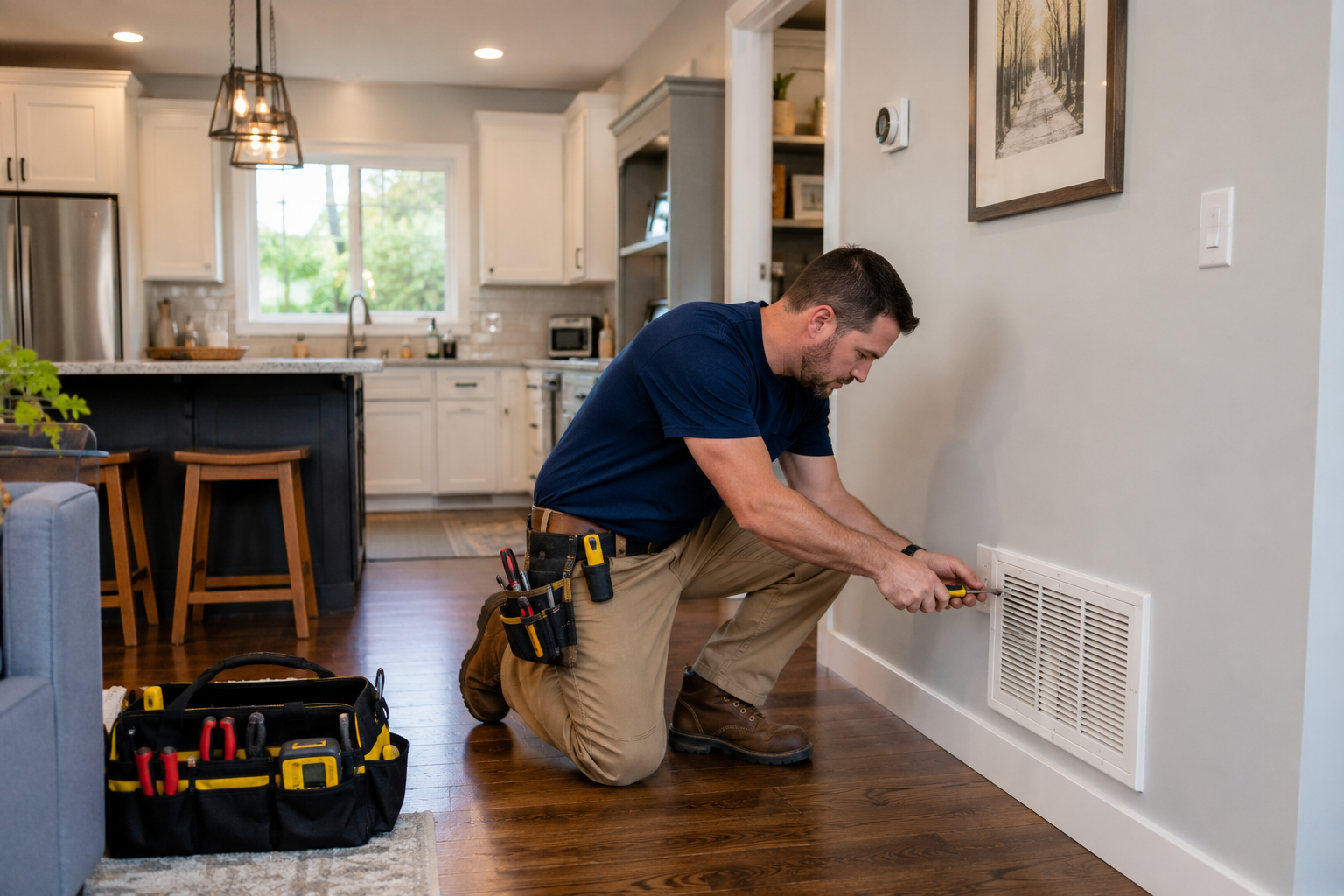
Preventive maintenance is rarely dramatic. It consists of small observations and timely corrections: renewing failed caulk, cleaning a dryer vent, tightening hardware, replacing an expired alarm, fixing a slow drip, or addressing a door that no longer closes correctly. These tasks are easy to postpone because the house continues to function. Their value appears over time, when small actions reduce moisture exposure, energy waste, safety risks, and the disruption of an avoidable failure.
A useful maintenance plan is not an enormous checklist copied from the internet. It reflects the home’s age, materials, equipment, occupants, weather exposure, and manufacturer instructions. The plan should be simple enough to follow, clear about which observations require a specialist, and connected to a calendar. Homeowners are more likely to act when each task has a season, a location, and a record of the last completed date.
This article focuses on ordinary interior upkeep and small household projects. It does not provide a substitute for professional inspection, code guidance, or manufacturer requirements. Roofs, foundations, service panels, gas systems, major leaks, and other high-risk conditions should be evaluated by appropriately qualified professionals. Safety instructions and product documentation take precedence over general maintenance suggestions.
Create a Home Systems Inventory
List major systems, fixtures, alarms, appliances, shutoffs, filters, and frequently maintained finishes. Record model numbers, filter sizes, installation dates, warranties, and service contacts. Add photographs of labels where they can be accessed safely. This inventory shortens the search for information during a repair and prevents buying the wrong replacement. Store a digital copy where more than one household member can reach it during an emergency.
For each item, record the room, exact location, observed symptom, first-noticed date, and any condition that makes it better or worse. A short video can be useful for movement or noise, while a photograph documents staining or alignment. Keep these records factual. They help a provider prepare without turning the homeowner’s assumption into the diagnosis.
Inspect Water-Prone Areas Regularly

Check around toilets, sinks, tubs, showers, water heaters, appliances, and visible supply connections for moisture, staining, softness, odor, or failed sealant. Do not cover a stain until the source is understood and dry. A fresh bead of caulk cannot solve movement, a plumbing leak, or damaged backing. Record recurring observations and seek help when water returns, spreads, or appears near electrical components.
Think through access and consequences before work begins. Moving one object may expose another condition, and removing a fixture may temporarily take a sink, light, door, or storage area out of service. Ask how long the area may be unavailable and what needs to remain untouched while adhesives, sealants, patches, or finishes cure.
Maintain Airflow and Venting
Dryer vents, bathroom exhaust fans, range ventilation, and HVAC filters affect moisture, lint, dust, and equipment performance. Follow appliance and equipment instructions for cleaning and replacement intervals. A dryer that takes longer to dry clothes, creates unusual heat, or produces a burning smell needs prompt attention. Exterior terminations should remain unobstructed without creating openings for pests or allowing weather to enter.
Materials and compatibility deserve attention. The correct size, mounting method, electrical rating, plumbing connection, finish, and manufacturer requirement can determine whether a seemingly simple replacement is appropriate. Keep receipts and packaging until the installation is complete. If compatibility is uncertain, preserve the option to return the product rather than forcing it to fit.
Using Local Search Results Responsibly
Homeowners often search handyman services near me when several maintenance items accumulate at once. Results for handyman near me may be easier to evaluate when the homeowner already has a dated list, photographs, product details, and priorities. A Huntsville handyman service page can indicate whether common tasks such as vent cleaning, caulking, hardware installation, alarm replacement, shelving, and drywall patches fall within the provider’s stated scope.
Search visibility does not establish quality, availability, or suitability for a particular home. Confirm the provider’s current service area, insurance, scope, scheduling, and pricing directly. Reviews can identify questions to ask, but they may describe a different worker, task, property, or point in time. The written agreement and current project communication should control expectations.
Check Doors Hardware and Mounted Items
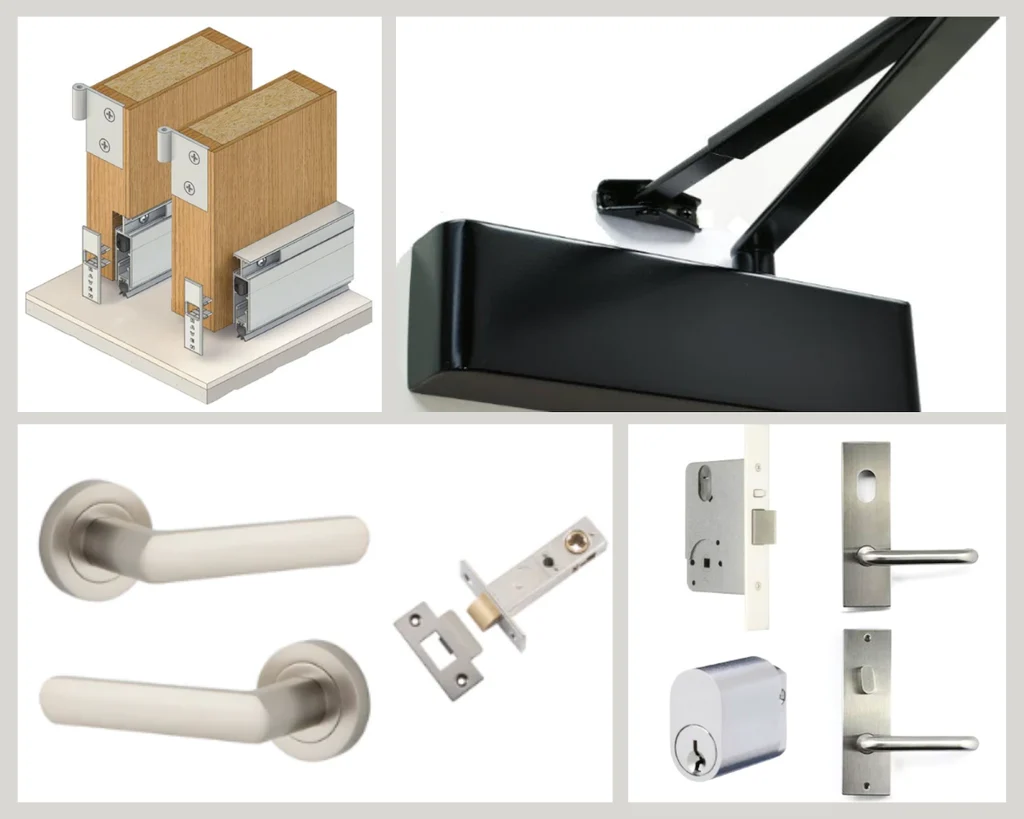
Seasonal humidity and daily use can loosen knobs, hinges, cabinet pulls, curtain hardware, shelves, and wall-mounted accessories. Look for movement before fasteners pull through a surface. A repeatedly loose mount may need a different anchor or repaired substrate rather than more tightening. Doors that rub or fail to latch can result from hardware, swelling, or frame movement, so observe patterns before removing material.
Budgeting should allow for uncertainty without giving open-ended approval. Ask how added labor or materials will be communicated and who can authorize a change. A written ceiling, pause point, or revised estimate can keep a small project from creating an unexpected bill while still allowing the provider to respond responsibly to a hidden condition.
Keep Safety Devices on a Schedule
Smoke alarms and carbon monoxide detectors should be installed, tested, replaced, and located according to current manufacturer instructions and applicable guidance. Note the manufacture or replacement date rather than relying on appearance. Never paint or cover a device. If alarms activate unexpectedly, follow safety procedures and investigate the cause; do not disable protection simply because the source is inconvenient or uncertain.
The finished result should be reviewed for function as well as appearance. Operate the repaired or installed item under ordinary conditions when it is safe to do so. Confirm that adjacent surfaces were protected and that manuals, spare parts, and care instructions are returned. Photograph the completed work for the household maintenance record.
Address Minor Wall and Finish Damage
Small drywall dents, nail pops, failed caulk, and damaged trim can be grouped for periodic attention once any underlying movement or moisture issue is resolved. Surface preparation matters more than quickly covering the spot. Match texture and sheen expectations realistically, especially on older finishes exposed to sunlight. Keep paint labels and leftover materials organized, but confirm stored products remain usable before applying them.
Homeowners should resist using speed as the only measure of success. Preparation, protection, careful fastening, testing, and cleanup are part of the work. A repair that takes slightly longer but addresses the correct substrate or compatibility issue can be more useful than a fast cosmetic adjustment that has to be repeated.
Review and Reset the Plan Twice a Year
Choose two predictable dates to review records, inspect priority areas, replace scheduled items, and create a new repair list. Seasonal reviews catch changes that daily familiarity can hide. Note completed work, photos, parts used, and unresolved observations. The goal is not perfection. It is a repeatable process that keeps small maintenance from becoming a collection of forgotten problems.
If the task changes after closer inspection, pause and reassess the scope. New evidence of water damage, unsafe wiring, structural movement, or failed materials can shift the project from routine maintenance to specialty work. A clear referral or second opinion is preferable to continuing beyond the limits of the original plan.
Decide What Belongs on a Professional Work List
A do-it-yourself decision should account for more than the purchase price of a tool. Consider the consequence of failure, access, load, concealed utilities, product instructions, physical ability, protective equipment, and whether local rules require a permit or licensed trade. Hanging a lightweight picture on a known wall is different from mounting a heavy television above a fireplace. Replacing visible cabinet hardware is different from changing wiring or plumbing inside a wall. When the safe method, substrate, or system is uncertain, the most efficient choice may be an assessment rather than an experiment.
The professional list should also be specific enough to support planning. Separate troubleshooting from a known installation, identify products that have already been purchased, and explain any previous repair attempts. If a task depends on another trade, ask which work must happen first. For example, recurring water must be resolved and the area dried before a finish patch is meaningful. A clear boundary protects the budget because it distinguishes the requested work from conditions that could not be confirmed until access or disassembly began.
Homeowners can then rank the professional list by risk, disruption, and efficiency. Safety and active damage come first, followed by tasks that restore daily function. Compatible lower-priority items can fill the remaining appointment time if the provider agrees. This approach gives the visit structure without encouraging rushed work. It also creates a natural stopping point when a new condition requires materials, authorization, or a specialist who was not part of the original plan.
Create a Clear Household Project Record
Keep one record containing the task list, estimates, approved changes, product information, before-and-after photographs, invoices, and maintenance instructions. Date each entry and identify who supplied the information. Organized records are useful when a product warranty, follow-up visit, later renovation, or home sale raises questions about what was installed and when.
Review the record with everyone who uses the affected area. One household member may know that a door sticks only after rain, while another may have noticed an outlet or fixture behaving differently. Combining those observations produces a more complete description. It also helps the household agree on priorities before time and money are committed.
Conclusion
Preventive maintenance works when it is specific, scheduled, and documented. Regular attention to moisture, airflow, hardware, safety devices, and small finish failures can support a safer and more functional home. Odd Jobs can be referenced as a Huntsville-area option for homeowners researching assistance with routine small-project lists.
