

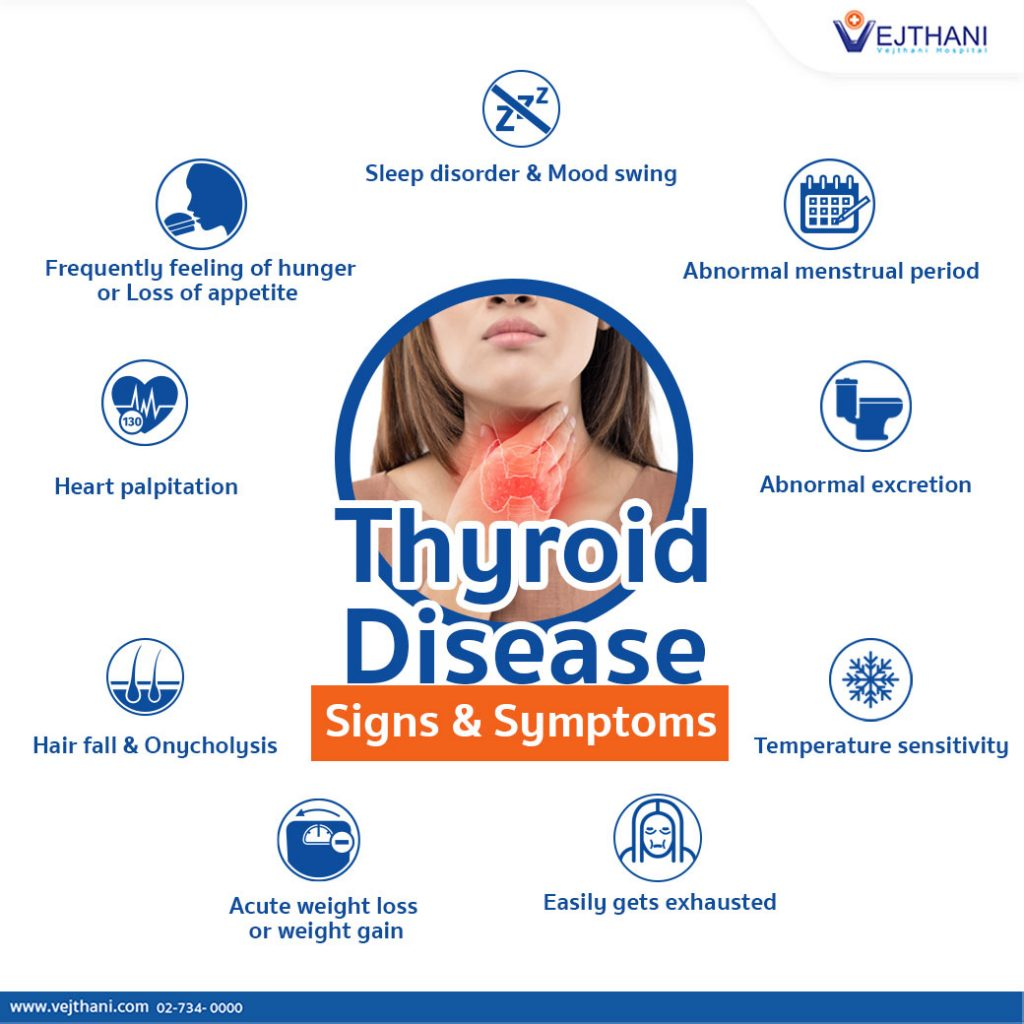
Feeling unusually tired, gaining or losing weight without changing your routine, or struggling to concentrate can be easy to blame on a busy schedule. But sometimes, these seemingly ordinary changes may point to an underlying thyroid problem. Because thyroid symptoms often develop gradually, they can go unnoticed for months.
The thyroid is a small, butterfly-shaped gland in the neck, but it influences many essential processes, including metabolism, heart rate, temperature regulation, and energy levels. Recognizing subtle thyroid disorder symptoms can help people seek appropriate medical advice before problems become more disruptive.
Why Thyroid Symptoms Can Be Difficult to Recognize
Thyroid disorders generally involve the gland producing too little or too much thyroid hormone. Hypothyroidism means the thyroid is underactive, while hyperthyroidism occurs when it produces excessive hormones.
The challenge is that symptoms can overlap with everyday health concerns. Fatigue, changes in weight, sleep problems, mood changes, and difficulty concentrating can have many possible causes, making thyroid disease easy to overlook.
According to the National Institute of Diabetes and Digestive and Kidney Diseases, about 5 out of 100 Americans aged 12 years and older have hypothyroidism, although many cases may be mild or undiagnosed.
Subtle Signs Worth Paying Attention To
Persistent Fatigue and Brain Fog
Everyone feels tired occasionally. However, ongoing fatigue that does not improve with adequate sleep may deserve attention, particularly when accompanied by difficulty concentrating or feeling mentally sluggish.
Some people describe this as “brain fog.” It can affect work, studies, conversations, and everyday decision-making.
Unexplained Weight Changes
Unexpected weight gain can occur with an underactive thyroid, while unexplained weight loss may occur with an overactive thyroid. These changes are not proof of a thyroid disorder, but they can be useful clues when combined with other symptoms.
Changes in Temperature Tolerance
Feeling unusually cold when others are comfortable can occur with hypothyroidism. On the other hand, excessive sweating or feeling unusually warm may occur with hyperthyroidism.
Skin, Hair, and Heart Changes
Dry skin, thinning hair, constipation, and a slower heartbeat may occur with an underactive thyroid. An overactive thyroid may cause a rapid or irregular heartbeat, increased sweating, nervousness, or frequent bowel movements.
When Should You Seek Medical Advice?
A single symptom rarely tells the whole story. Instead, pay attention when several changes appear together or persist despite healthy sleep, nutrition, and daily habits.
A healthcare professional can review your symptoms and medical history and may recommend blood tests such as thyroid-stimulating hormone (TSH) and thyroid hormone testing. Getting evaluated is particularly important if symptoms are persistent, worsening, or interfering with daily life.
Supporting Access to Essential Healthcare
Access to appropriate surgical and medical care can be difficult for people facing financial challenges. Supporting healthcare-focused organizations with your Zakat donation can help them provide essential surgical and medical assistance to people who may otherwise struggle to afford treatment.
Don’t Ignore Persistent Changes
Thyroid problems can be manageable when identified and treated appropriately. The key is not to self-diagnose but to recognize patterns that deserve professional attention.
If unexplained fatigue, weight changes, temperature sensitivity, mood changes, or other thyroid symptoms continue, consider discussing them with a healthcare professional.
Helping Vulnerable Communities
Healthcare support can extend beyond individual treatment. Those who want to help people facing barriers to surgical and medical care can give Sadaqah donations, a meaningful way to support charitable healthcare initiatives and contribute to medical assistance for vulnerable communities.
