

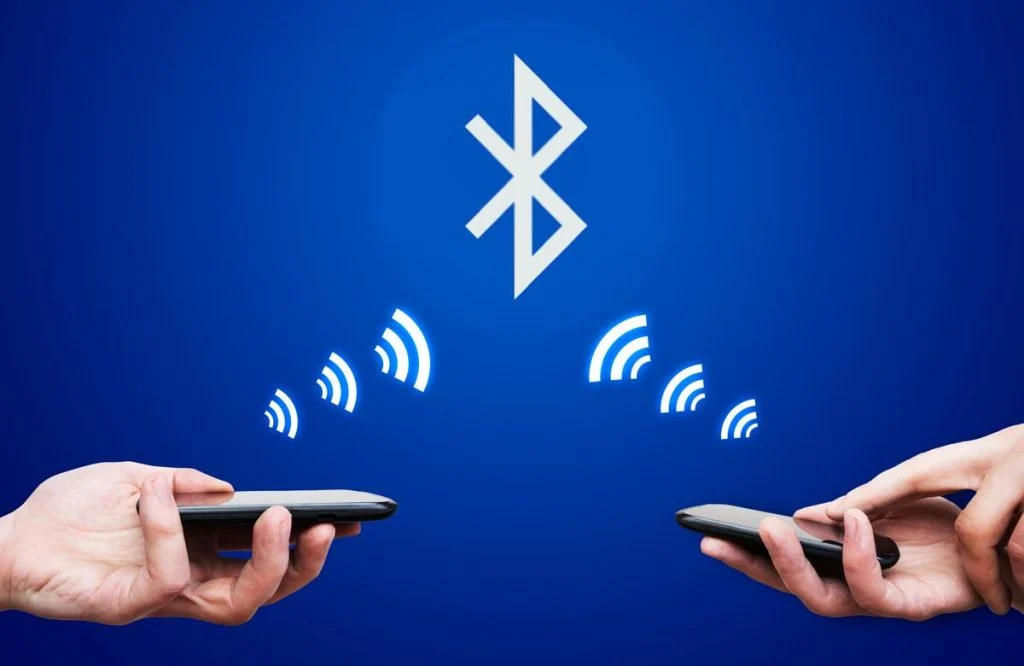
Wireless connections often work quietly in the background, yet they shape many daily routines. Bluetooth links phones, headphones, cars, medical devices, sensors, and smart home products without requiring cables or complex network setup. Its short-range design works well when devices need direct communication with low power use.
What began as a convenient way to replace wires has grown into a broad wireless standard. Modern devices use it for audio, data transfer, location services, automation, and connected health applications.
Why Bluetooth Fits So Many Everyday Uses
The standard offers developers several ways to connect devices. Classic connections work well for continuous communication, especially audio streaming. Low Energy, also called LE, focuses on efficient data exchange and reduced power consumption. Both approaches operate in the 2.4 GHz frequency band and serve different product needs.
Modern bluetooth technology also supports point-to-point links, broadcast communication, and mesh networking. These options let developers connect two devices, send information to many receivers, or create networks with many connected nodes.
Personal Audio Made Wireless
Wireless headphones and speakers are among the most familiar applications. A phone can send music, podcasts, or calls directly to earbuds without a physical cable. Cars also use similar connections for hands-free calling and entertainment systems.
Newer audio features extend the idea beyond one-to-one listening. LE Audio improves efficiency and supports newer listening experiences. Auracast broadcast audio can send sound from one transmitter to many nearby receivers. This can support shared and assistive listening in homes and public spaces.
Cars Use Wireless Connections for More Than Music
Vehicle connectivity has moved far beyond phone pairing. Drivers use wireless links for calls, navigation audio, entertainment, and communication with in-car systems. Newer automotive designs also use low-energy connections for sensors and digital key functions.
A digital key can allow a compatible phone or other device to interact with a vehicle. Low-power sensors can also support features that need regular communication without placing heavy demands on batteries.
These applications show why short-range wireless communication suits modern vehicles. A car contains many electronic systems, and not every connection needs a physical cable or cellular network.
Wearables Turn Small Sensors Into Useful Data
Smartwatches, fitness trackers, and smart rings collect information such as activity, heart rate, sleep patterns, and other wellness signals. These devices can send that data to a phone, where an app organizes it into useful trends.
Low-power communication works especially well for wearables because small devices have limited battery capacity. Efficient data transfer lets sensors share information while reducing unnecessary energy use. Fitness trackers and health monitors are now major wireless data-transfer use cases.
The connection also makes wearable devices more useful away from a computer. A user can check activity or wellness information through a phone without connecting the device with a cable.
Connected Healthcare Supports Remote Monitoring
Bluetooth also plays a practical role in personal and clinical healthcare devices. Blood pressure monitors, pulse oximeters, thermometers, continuous glucose monitors, and other devices can send readings to compatible phones or health applications. Some systems also support remote data sharing with healthcare providers.
This type of connection can reduce manual data entry and create a clearer record over time. It does not replace medical judgment. Instead, it provides a convenient way to collect, organize, and share information when a device and service support those functions.
Low power use matters here as well. Many health sensors are small and must operate for long periods without frequent charging or large batteries.
Smart Homes Depend on Simple Device Communication
Connected homes use wireless links for lights, locks, sensors, appliances, switches, and control devices. A phone can act as a setup tool or controller. Meanwhile, low-energy sensors can report changes without maintaining a power-hungry connection.
Mesh networking provides another option for larger spaces. Instead of depending only on direct one-to-one links, compatible devices can form networks designed for control and monitoring. This approach can support homes, offices, and commercial buildings with many connected products.
For users, the benefit is usually convenience. A light, sensor, or lock can exchange the small amount of information it needs without requiring a wired network connection.
Retailers Use Wireless Links Behind the Scenes
Retail applications are less visible to shoppers, but they can improve store operations. Electronic shelf labels can receive updates for prices, promotions, and product information through a centralized system. Staff do not need to replace every paper price label manually.
Location features can also support item finding, proximity services, and indoor positioning. In warehouses or large stores, connected tags and sensors may help teams locate assets or identify where equipment is being used.
These systems show that short-range communication can support business operations as well as consumer electronics.
Offices and Factories Gain Better Control
Large buildings often need more than simple device pairing. Wireless networks can connect lighting, sensors, control panels, and monitoring equipment across shared spaces. Mesh systems can support networks containing tens, hundreds, or even thousands of devices.
In offices, connected lighting can react to schedules, occupancy, or control commands. In industrial spaces, sensors may report equipment conditions or help teams locate assets.
Wireless installation can also reduce the need for extra communication cables. That can make some connected systems easier to expand or change when layouts and operational needs evolve.
Computer Accessories Keep Workspaces Flexible
Wireless keyboards, mice, trackpads, game controllers, and presentation tools remove cable clutter and make equipment easier to move. The benefit is simple, but it matters in shared offices, home workspaces, classrooms, and travel setups.
Many computers and mobile devices already include built-in support for these connections. Users often do not need an additional receiver. Some accessories can also switch between several compatible devices, depending on their design.
For laptops and tablets with limited ports, wireless accessories can preserve wired connections for charging, displays, or storage.
Location Services Connect Digital Information With Places
Wireless communication can do more than transfer audio or sensor data. It can also help systems understand proximity and position. Beacons may provide point-of-interest information, while locating systems can support asset tracking and indoor navigation.
These features can be useful in airports, hospitals, warehouses, stores, and large office buildings. A hospital could use location tools to find equipment, while a large facility could provide indoor wayfinding.
The key benefit comes from connecting digital information with a nearby place, person, or object.
What Makes These Applications Practical
The most useful wireless system is not always the one with the longest range or highest speed. Many everyday products need short-range communication, modest data rates, broad device compatibility, and low energy use.
Security and privacy still depend on responsible product design and user behavior. People should keep connected devices updated, remove pairings they no longer use, and review application permissions. Manufacturers also need strong security practices for products that handle sensitive information.
Choosing the right connection also depends on the task. Cellular networks and Wi-Fi remain better choices for many long-range or high-bandwidth applications. Short-range connections fill a different role.
A Quiet Standard With a Wide Reach
Many wireless interactions now happen without users thinking about the connection. Earbuds start playing, a fitness tracker syncs, a car recognizes a phone, or a sensor reports a change in the background.
As bluetooth technology continues to support audio, data transfer, device networks, and location services, its main value remains practical connectivity. It gives devices a common way to exchange useful information while keeping many everyday interactions simple.
