

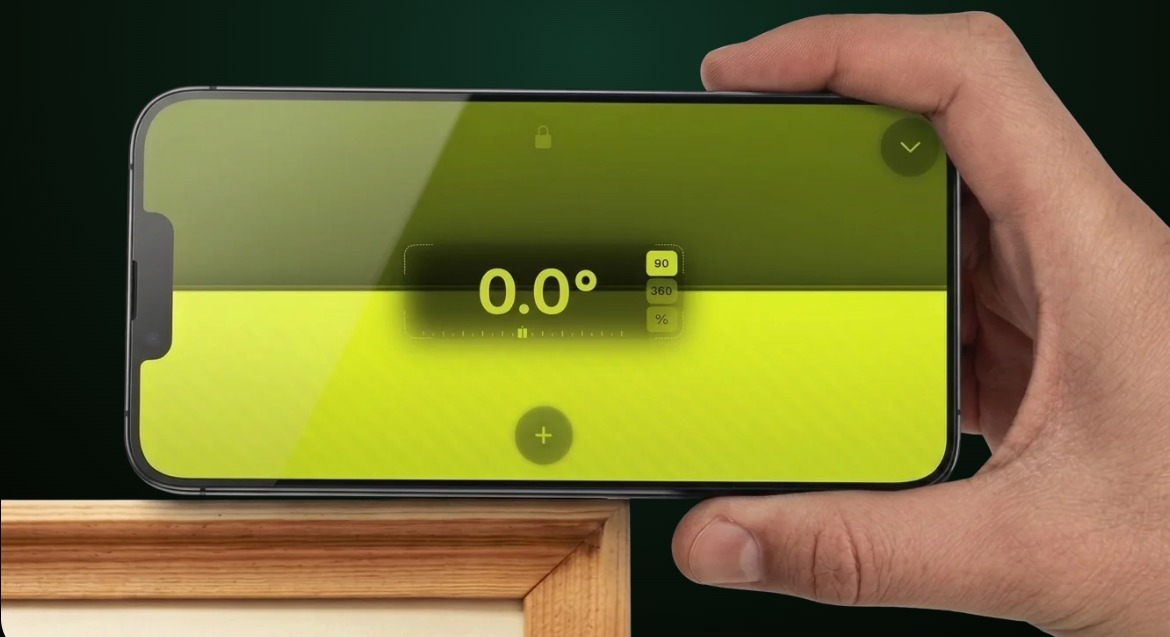
Accurate angle measurement has become increasingly accessible through smartphone technology. Tasks that once required a dedicated measuring instrument can now be approached with a mobile device and responsive sensors. An Angle Finder App can transform a smartphone into a practical digital measurement tool, allowing users to examine degrees, tilt, and positioning with clear visual feedback. This convenience is valuable across DIY activities, carpentry, installation work, construction planning, and everyday projects where knowing the exact angle can improve the final result.
The Growing Role of Digital Angle Measurement
Angle measurement is an important part of many practical activities. A small difference in an angle can influence how components fit together, how a surface slopes, or how an object is positioned. Digital measurement provides a straightforward way to replace estimation with useful numerical information.
Smartphones are particularly suitable for this purpose because they contain motion and orientation sensors. These sensors can detect changes in the device’s position and translate them into readable measurements. The result is a portable approach to angle checking that fits naturally into modern workflows.
Degrees Provide a Clear Measurement Standard
Degrees are one of the most familiar ways to describe an angle. They provide a consistent numerical reference that can be understood across many different types of projects.
A digital angle tool can display changes in degrees as the smartphone is tilted or repositioned. This allows users to observe the measurement while making adjustments. Instead of relying entirely on visual judgment, a project can be guided by a specific numerical target.
This can be especially useful when accuracy matters during construction, woodworking, installation, or detailed DIY work.
Smartphone Sensors Make Measurement More Accessible
The technology behind smartphone angle measurement is based largely on built-in sensors. These components allow the device to recognize orientation and movement, creating the foundation for digital leveling and angle-related functions.
Responsive sensor technology can make the measurement experience feel immediate. When the phone changes position, the displayed reading can change accordingly. This relationship between physical movement and digital feedback makes it easier to understand the angle being measured.
The accessibility of this technology also means that users can carry a useful measurement capability with them without depending on a separate instrument for every quick check.
Useful Applications in Carpentry
Carpentry involves numerous situations where angle awareness can improve precision. Cutting, positioning, and joining materials often require careful attention to orientation.
A smartphone-based angle tool can provide a convenient reference during preparation and assembly. Users can check the orientation of a component, compare positions, or monitor an adjustment before moving forward.
For detailed projects, this type of digital feedback can support a more organized working process. Measurements become part of the workflow rather than something that needs to be performed only after a problem appears.
Supporting Construction and Installation Work
Construction and installation tasks frequently involve slopes, inclines, and angled surfaces. Having a portable digital measurement option can be useful when checking these conditions during a project.
An angle measurement tool can help users understand the relationship between a surface and a chosen reference position. The information can then be used to make adjustments or confirm that a particular setup matches the intended design.
The ability to view measurements in degrees also makes it easier to communicate precise information between people working on the same project.
A Practical Tool for DIY Enthusiasts
DIY projects vary greatly in complexity. Some involve simple household improvements, while others require careful planning and precise construction.
Digital angle measurement can support both ends of this spectrum. It can be useful when setting up shelves, creating angled structures, positioning materials, or checking the orientation of an object.
Because a smartphone is already a familiar device, using it for measurement can make technical tasks feel more approachable. The measurement process becomes accessible without requiring extensive experience with specialized equipment.
Understanding More Than a Single Angle
Modern digital measurement tools can provide information in several formats. Alongside degrees, users may work with percent grade, roof pitch, or inches per foot depending on the type of project.
Each format offers a different perspective on the same general concept of inclination. Degrees can provide a direct angular value, while grade can be useful for understanding slope. Roof pitch and inches per foot can offer practical formats for specific building-related applications.
Having these options allows one measurement tool to serve a wider range of projects.
Clear Visual Feedback Improves Usability
A numerical measurement is useful, but presentation also matters. Clear visual guidance can make it easier to understand what the device is detecting and whether an adjustment is moving in the desired direction.
For users working with physical objects, immediate visual feedback can reduce unnecessary trial and error. The phone becomes both a measuring device and a visual reference.
A straightforward interface is particularly beneficial when measurements need to be taken repeatedly. Users can focus on the project instead of spending unnecessary time interpreting complicated controls.
Supporting Precise Furniture and Interior Projects
Interior projects often depend on visual balance. Furniture, shelving, frames, and decorative elements can appear noticeably different when they are positioned at an unintended angle.
A digital angle tool can help users evaluate positioning before completing an installation. This is useful for checking the orientation of individual pieces as well as comparing their alignment with nearby surfaces.
The process can be especially helpful when working in spaces where small differences are easily visible. Digital readings provide an additional layer of confidence during positioning.
Angle Measurement for Roof and Slope Projects
Roofing and slope-related work can benefit from accurate inclination readings. Understanding the angle of a surface can help with planning, assessment, and project preparation.
A smartphone tool that supports roof pitch and other slope formats can provide useful information in a convenient form. Instead of carrying multiple measurement references, users can access different readings through one digital interface.
This versatility makes smartphone measurement relevant to both professional-style tasks and personal projects.
AR Measurement Adds a Visual Dimension
Optional augmented-reality measurement can enhance the way users interact with digital tools. Rather than relying exclusively on numerical information, AR can provide visual guidance connected to the physical environment.
This can make measurements easier to interpret during certain activities. The combination of smartphone cameras, sensors, and software demonstrates how mobile technology can expand traditional measurement concepts.
AR functionality can be particularly interesting for users who prefer a more visual approach to understanding position, direction, and angle.
Why Portable Measurement Matters
Convenience plays an important role in practical measurement. A tool that is available whenever and wherever it is needed can become a regular part of project planning.
Smartphones are naturally portable, making digital angle measurement suitable for different locations. Whether working indoors, outdoors, in a workshop, or at a project site, users can have measurement capabilities close at hand.
This portability can save preparation time and make it easier to verify measurements throughout a project rather than relying on assumptions.
Building Better Measurement Habits
Consistent measurement can contribute to better project outcomes. Checking angles before cutting, installing, aligning, or adjusting materials can help users make decisions based on information rather than guesswork.
A digital tool encourages this habit by making measurement quick and accessible. Regular checks can become a natural part of the workflow, particularly when accuracy is an important objective.
Over time, this approach can make planning more systematic and help users feel more confident when handling detailed work.
The Value of Digital Angle Technology
The strongest advantage of smartphone angle measurement is its combination of accessibility, versatility, and clear information. One device can support several measurement needs while remaining convenient to carry.
Responsive sensors provide the foundation for detecting orientation, while visual guidance helps users understand the results. Multiple measurement formats further expand the tool’s usefulness across different applications.
For modern users, this represents a practical evolution in the way everyday measurements can be approached.
Conclusion
Digital angle measurement brings useful precision into a wide range of everyday and professional-style activities. Smartphone sensors can provide responsive readings in degrees while additional formats such as grade, roof pitch, and inches per foot expand the possibilities for slope-related work.
From carpentry and construction to furniture positioning, DIY projects, and interior alignment, an angle measurement tool can support more informed decisions. With portable access, clear visual guidance, and optional AR capabilities, smartphone-based measurement offers a flexible way to approach projects that depend on accurate positioning.
The result is a modern measurement experience that combines familiar smartphone technology with practical precision, helping users make confident adjustments wherever accurate angles are important.
