

Construction sites are busy and often noisy. Workers may operate heavy equipment, move materials, install structures, or work on different floors. They need to communicate with each other while staying focused on their jobs.
Walking over to another worker is not always practical. Shouting can also be difficult when machines are running nearby. Phones may not be convenient when workers need both hands for their tasks.
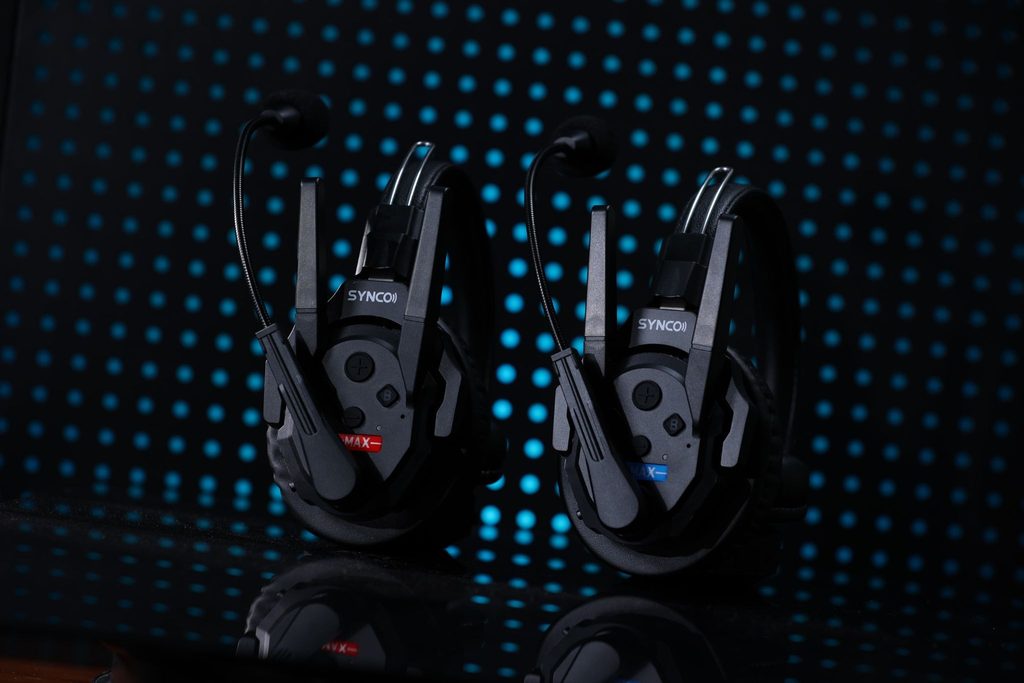
Group communication headsets provide another way to stay connected. They let workers speak and listen while they continue working. Depending on the job, they can support communication between operators, supervisors, technicians, and other crew members.
Here are some common ways communication headsets are used in construction.
Source: SYNCO
Construction site communication
Daily communication is one of the most common uses for headsets on a construction site.
Workers often need to share short updates throughout the day. A supervisor may need to tell a worker where to move materials. A worker may need to report that a task is complete. Another team may need to know when an area is ready for the next stage of work.
These conversations may happen many times during a workday.
With group communication headsets, several workers can stay connected through the same communication system. They do not need to find each other in person every time they need to share information.
This is useful when workers are spread across the site. A supervisor can give an instruction while staying in the current work area. Workers can also respond without stopping to use a phone.
For short and frequent conversations, this can make daily coordination much easier.
Communication between heavy equipment operators and ground workers
Heavy equipment is common on construction sites. Excavators, cranes, loaders, bulldozers, and other machines are often operated around ground workers.
The operator may have a limited view of the area around the machine. Ground workers may need to give instructions about people, materials, or the position of the equipment.
Communication becomes especially important during these tasks.
Wireless intercom headsets let the operator communicate with workers without leaving the machine. Ground workers can also send updates while staying at a safe working position.
For example, a worker may tell an operator when an area is clear. The operator can then respond before moving the machine.
This creates a direct communication link between the person operating the equipment and the people working around it.
Communication between supervisors and workers
Supervisors need to stay informed about work across the site.
They may manage several workers or teams at the same time. They may also need to give instructions, check progress, and respond when plans change.
Walking around the entire site can take a lot of time, especially on large projects.
A communication headset allows supervisors to stay connected while moving around the site. They can speak with workers without needing to stop and make a phone call.
Workers can also report progress directly to the supervisor.
For example, a worker may say that a section is ready for inspection. The supervisor can respond and coordinate the next step without needing to walk to the location first.
This type of communication can be useful throughout the entire construction process.
Communication across large construction sites
Some construction projects cover a large area. A project may include several buildings, outdoor work zones, parking areas, or different sections of the same site.
Workers may be far away from each other during the day.
Face-to-face communication becomes harder as the distance increases. A worker may need to walk several minutes just to deliver a short message.
Wireless intercom headsets can help solve this problem. Workers can communicate while moving around the site, as long as they remain within the system’s usable range.
This can be useful for supervisors, equipment operators, technicians, and other mobile workers.
Large projects may also involve different communication groups. For example, one group may handle equipment operations while another focuses on building installation. A communication system can help keep these conversations organized.
Communication during concrete work
Concrete work can create a particularly noisy environment.
Concrete mixers, pumps, drills, and other equipment may operate at the same time. Workers may also be spread around the construction area.
During concrete pouring, workers often need to coordinate their movements. They may need to communicate about the position of the pump, the flow of concrete, or the progress of the work.
Normal conversation may be difficult in this environment.
A headset keeps the microphone close to the user’s mouth and the speakers close to the ears. This makes communication more practical when workers cannot easily hear each other.
Workers can also keep their hands available for their tasks instead of holding a communication device.
Communication during crane and lifting operations
Lifting materials is another situation where communication is important.
Crane operators may not always have a clear view of the load or the workers around it. Ground crews may need to guide the movement of materials.
A clear communication link helps the people involved coordinate each step.
For example, a ground worker may need to tell the operator when to lift, lower, or move the load. The operator can respond and continue the operation based on the information received.
Because these tasks often involve several people, direct communication can help reduce confusion.
The workers involved can focus on their own positions while staying connected to the person operating the crane.
Communication during road and outdoor construction
Construction is not limited to buildings. Road work, bridge projects, utility installation, and other outdoor jobs also require communication between mobile teams.
Workers may operate along a long section of road or move between different work areas.
Traffic, construction equipment, and outdoor conditions can make normal speech difficult. Workers may also be too far apart to communicate by voice.
Wireless headsets can allow team members to stay connected as they move.
For example, workers involved in road construction can communicate about equipment movement, material delivery, or changes in the work area.
The same idea can apply to utility projects where workers may be spread along a large outdoor area.
Communication during installation and technical work
Construction projects also involve many technical teams.
Electricians, plumbers, HVAC technicians, network installers, and other specialists may work in different parts of a building.
Their tasks can sometimes depend on each other.
For example, one team may need to finish an installation before another team can begin. Workers may need to confirm that an area is ready or report an issue that affects the next stage.
A headset provides a simple way to share these updates.
Instead of leaving the work area to find another technician, a worker can speak directly to the team.
This can be useful when several teams are working at the same time and need to coordinate their schedules.
Communication across different floors of a building
Multi-floor construction projects create another communication challenge.
A supervisor may be on the ground floor while workers are several floors above. Workers may also move between floors during the day.
Phones can work in some situations, but they require users to take out the device, answer the call, and manage the conversation separately.
A headset can make this process more direct.
Workers can stay connected while moving between floors or working inside different rooms. They can receive short instructions without stopping their work.
This is particularly useful during the later stages of building construction, when many teams may be working in different rooms and floors at the same time.
Communication for safety and emergency situations
Communication is also important when something unexpected happens.
A worker may notice a problem with equipment, an obstruction, or an unsafe condition. They may need to tell a supervisor or nearby workers quickly.
A headset can provide a direct way to share this information.
For example, a worker may report that a machine needs to stop or that an area needs to remain clear. Other team members can receive the message without waiting for someone to walk over.
Headsets do not replace proper safety procedures or emergency systems. However, they can support everyday communication when workers need to share information quickly.
Conclusion
Communication headsets can be used across many parts of construction work. They help workers stay connected during daily site operations, heavy equipment use, lifting tasks, concrete work, road construction, technical installation, and multi-floor projects.
They are especially useful when workers are far apart, the environment is noisy, or both hands are needed for the job.
By giving workers a direct way to speak and listen, communication headsets can support coordination between operators, supervisors, technicians, and other crew members throughout a construction project.
