

There is a quiet moment in every professional’s workflow where hardware either earns its place or gets replaced. For journalists, researchers, therapists, lawyers, and consultants, that moment happens the first time a device fails during an important conversation. A dropped word can change a court transcript, a misheard name can derail a research citation, and a lost hour of interview audio can cost a story. The people who record for a living stopped experimenting with hobbyist gear years ago. What sits in their bags today is a very different category of tool, built around AI-enhanced capture, precise noise handling, and the kind of reliability that survives long field days. This article looks inside that professional kit. It examines what practitioners actually carry, why they made those choices, and how newer AI-driven devices have changed the standard for what dependable recording looks like in demanding work environments.
Why Professionals Chose Dedicated Devices Over Phones
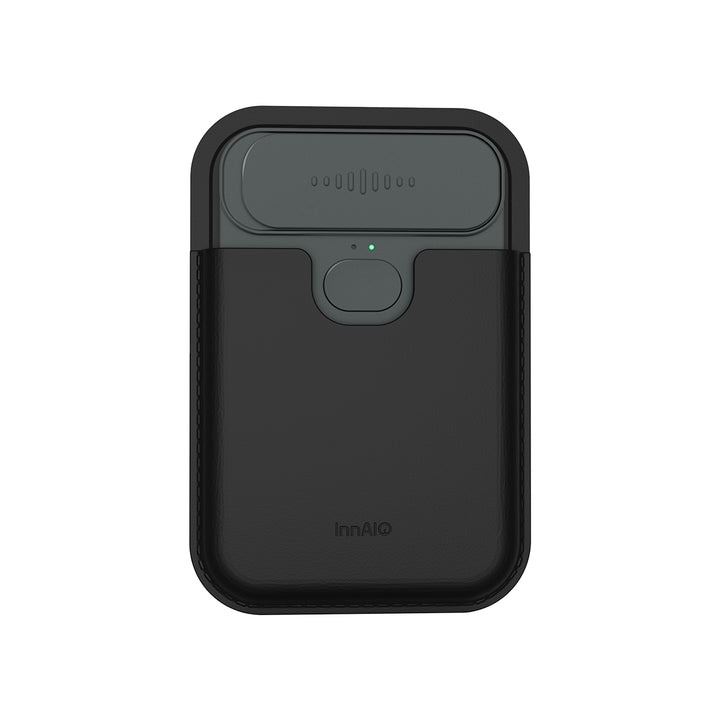
Phones are excellent general-purpose tools, but professional recording is not a general-purpose task. A working journalist cannot afford for a notification to interrupt an interview. A therapist cannot hand a phone containing personal messages to a client for sound-check. A field researcher in a remote location cannot depend on a battery that also has to run maps, camera, and communication apps. Professionals reach for the best ai voice recorder they can find precisely because a single-purpose device removes those risks. It records when told, holds a full day of charge, and produces files organized in ways designed for downstream work rather than casual playback.
Reliability Under Pressure
The difference between hobby and professional gear becomes clearest during a full working day. Consumer devices tend to perform well in the first hour and degrade as heat, battery drain, and memory pressure accumulate. Professional recorders are engineered for continuous operation. They handle back-to-back multi-hour sessions without thermal throttling, and their internal storage is designed to write reliably even when a session runs longer than expected. That kind of engineering does not appear on marketing pages, but it is what practitioners talk about when they explain why they stopped experimenting and settled on a specific tool.
The AI Layer That Changed the Standard
Recording hardware has been mature for decades, but the AI layer added in recent years genuinely changed what professionals expect from their devices. Modern recorders do not just capture audio, they interpret it. They separate speakers, transcribe in real time, translate when needed, and flag key moments for later review. For a journalist who used to spend three hours transcribing an hour of interview, that transformation is not a luxury but a working requirement. The professionals who resisted AI features early on have almost all migrated to them once accuracy passed a threshold where corrections take minutes instead of hours.
Speaker Separation as a Baseline
Multi-speaker environments used to be the hardest recording problem. A group interview, a panel discussion, or a focus group required either multiple lavalier microphones or hours of manual labeling afterward. Today, well-designed AI recorders identify individual voices with impressive consistency, tagging each speaker in the transcript so reviewers can quickly find what a specific person said. This capability alone justifies the shift for anyone whose work regularly involves more than two people speaking. The best implementations even remember voice profiles across sessions, meaning a recurring interviewee becomes labeled by name rather than by generic speaker number.
On-Device Intelligence and Privacy
Professionals who handle confidential material care deeply about where their audio travels. Journalists protect sources, therapists protect patients, and lawyers protect privileged communication. The recent shift toward on-device AI processing addresses this concern directly. Rather than uploading every recording to a cloud service, modern devices can transcribe and summarize entirely on the hardware itself, keeping sensitive content off external servers. When cloud processing is used, professional-grade devices offer end-to-end encryption and clear data retention controls. Choosing a device without those assurances is no longer acceptable for work involving any private information.
What Real Working Kits Look Like
The recording kit of a working professional is smaller than most people expect. Years ago, a broadcast journalist might carry a shotgun microphone, a portable recorder, backup batteries, and a windscreen. Today, many of those functions are integrated into a single well-engineered device paired with a compact external microphone for specific scenarios. The trend is toward less gear that does more, chosen carefully rather than accumulated over time. Practitioners typically settle on one primary device and one backup, matched to the specific conditions of their work.
Journalists and Interviewers
Field journalists favor devices with directional pickup, reliable one-button operation for spontaneous moments, and instant transcription that lets them scan a conversation on the train back to the office. Their priority is capturing usable audio in unpredictable environments, from crowded press conferences to quiet one-on-one conversations at cafes. They want a recorder they can start with a single glance, positioned discreetly, and forget about until the moment matters.
Researchers and Academics
Qualitative researchers running interviews and focus groups need long session support, precise speaker labeling, and export formats compatible with analysis software. Their sessions can run two to three hours, and the value of their data depends on accurate attribution of every quote. They also tend to record dozens of sessions per study, so organization features such as automatic file naming, project tagging, and consistent export structure matter as much as raw audio quality.
Legal and Medical Professionals
For attorneys taking depositions or physicians reviewing consultations, accuracy is not negotiable and privacy is legally mandated. These professionals lean toward devices with local processing, encrypted storage, and detailed audit trails. Voice quality standards are extremely high because a mumbled word can create legal ambiguity or clinical error. They often pair professional recorders with specialized microphones for depositions or clinical exam rooms, ensuring the audio can withstand later scrutiny by opposing counsel or medical review boards.
The Trust Behind a Professional’s Choice
What ultimately unites professional recording kits is not a single brand or feature list but a philosophy of trust. Practitioners choose devices they can hand to a stranger, place at the center of a delicate conversation, and forget about for hours at a time. That trust is earned through reliable hardware, thoughtful AI implementation, and clear respect for user privacy. Brands such as INNAIO have entered this professional conversation by combining serious microphone engineering with AI transcription that actually meets working standards, giving practitioners more genuinely capable choices than the market offered even recently. Whether you record for journalism, research, therapy, law, or medicine, the lesson from working professionals is the same. Pick a device with intention, learn its capabilities thoroughly, and make it the one tool you never worry about when the conversation truly matters.
