

Independent creators — illustrators, jewelry makers, printmakers, ceramicists — know that building a brand takes more than a storefront. It takes content. Tutorials. Behind-the-scenes stories. A voice that makes customers feel connected to the person behind the product. But producing that content consistently while also making the products, packing orders, and running the business? That’s a second full-time job.
Two AI tools are making it easier. AI podcast generators (https://aidubbing.io/podcast-generator) can turn a written script into a full podcast episode with natural-sounding narration. And AI lip sync (https://lipsync.video/) technology can animate a creator’s photo or avatar to match recorded speech — producing video content that feels personal without requiring hours in front of a camera. For independent creators who’ve been putting off content creation because it’s too time-consuming, the barrier is dropping.
Turning a Story Into a Podcast in Minutes
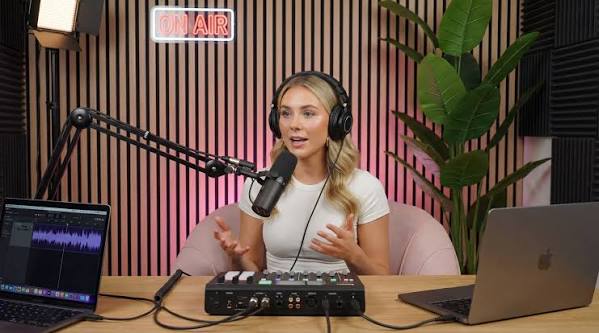
The idea of “starting a podcast” sounds great right up until you look at what’s actually involved: recording equipment, audio editing software, learning to mix tracks, and the sheer time commitment of recording and editing each episode. Most independent creators give up before episode one goes live.
AI podcast generators cut through all of that. You write your script — or outline your key points — and the AI handles narration, pacing, and production. The output sounds like a human-hosted podcast, with natural inflection and rhythm. Creators can produce a 15-minute episode about their craft process, their creative philosophy, or the story behind a new collection in under an hour, from idea to publishable file.
This fundamentally changes the content economics for small businesses. A ceramicist who can produce a weekly podcast about her process, materials, and inspirations builds a connection with her audience that product photos alone can’t match. And because AI handles the heavy production lifting, she spends her time on the part that actually matters — the ideas and the storytelling.
AI Lip Sync: Personal Video Without the Camera Anxiety
Not every creator is comfortable on camera. Some just don’t have the time to set up lighting, do hair and makeup, and film multiple takes. AI lip sync offers an alternative: record your voice, upload a photo or choose an avatar, and the AI generates a video where your chosen character speaks your words with realistic mouth movements.
This works especially well for creators who sell visually distinctive products. A jewelry maker can record a 90-second narration about a new piece, pair it with close-up product footage, and use AI lip sync to add a talking-head segment without ever sitting in front of a camera. The result feels personal and professional — the kind of content that builds trust and drives sales — without the production overhead that usually comes with it.
For artists and makers who run their entire business solo, this combination is powerful. The podcast builds the brand voice. The lip-sync video builds the personal connection. Neither requires a studio. Neither requires a team. Both can be produced during a quiet afternoon in the workshop.
Real Applications for Independent Creators
Product launches. A printmaker releasing a new edition records a 5-minute audio segment about the inspiration and technique behind the work. AI podcast tools format and polish it. AI lip sync adds a visual component. Together, the content package is ready for Instagram, YouTube, and the creator’s own website within hours — not days.
Behind-the-scenes storytelling. Customers of handmade goods often want to know the person behind the product. Regular podcast episodes about the creative process, combined with lip-sync video clips for social media, give buyers a reason to stay connected — and to come back for the next drop.
Educational content as marketing. Many creators already teach their craft through workshops and tutorials. Turning that expertise into podcast episodes and short-form video creates evergreen marketing content that attracts new customers while serving the existing community.
Frequently Asked Questions
Does AI-generated podcast narration sound natural?
Yes. Modern AI podcast generators use neural text-to-speech that sounds conversational, not robotic. Pacing, emphasis, and tone are adjustable. Most listeners won’t know — or care — that the narrator is AI-generated, as long as the content is valuable.
Is AI lip sync convincing for creator content?
For social media and website content, yes. AI lip sync matches mouth movements to speech with high accuracy. Combined with good audio and a quality photo or avatar, the result is a professional-looking video that works well for the formats where creator content lives — Instagram Reels, TikTok, YouTube Shorts.
How much time does this actually save?
A 10-minute podcast episode that would take 3-4 hours to record, edit, and produce manually takes about 45-60 minutes with AI tools — most of that spent on scripting. A lip-sync video that could take 2 hours to film and edit takes 20 minutes from recording to publish. For a solo business owner, that difference is the margin between consistent content and no content at all.
Do I need special equipment?
No. AI podcast and lip sync tools work entirely in the browser. All you need is a written script or an outline and, for lip sync, a recorded voice track — which any smartphone can capture.
Conclusion
The independent creator economy runs on personality and connection, but producing the content that drives those connections has always been the bottleneck. AI podcast generation and AI lip sync remove that bottleneck. They let creators spend their time making things and telling stories about the things they make — while the technology handles the part that used to require expensive equipment and technical skills.
For the ceramicist, the printmaker, the jewelry maker running a solo business — this isn’t about “going high-tech.” It’s about finally having the tools to tell your story at the pace your business needs, without pouring hours and dollars into production that takes you away from the work you actually love.
— Written for guest posting collaboration
