

Closure is the moment when a well-executed procedure becomes either a clean recovery or a recurring problem. Yet surgical closure is also the stage where fatigue, time pressure, and habit combine most easily into errors that patients pay for during healing. A misplaced knot, a thread too tight against a swelling flap, or a material chosen for cost rather than tissue behavior can undo hours of careful work in the operatory. This article names the specific mistakes that most often compromise oral surgical healing and explains, without generalities, how to avoid each one. It is written for oral surgeons, periodontists, and implantologists who close wounds every week and know that the difference between a routine review appointment and a complication callback often comes down to what happened in the final ten minutes of the case.
Choosing the Wrong Material for the Tissue and Timeline
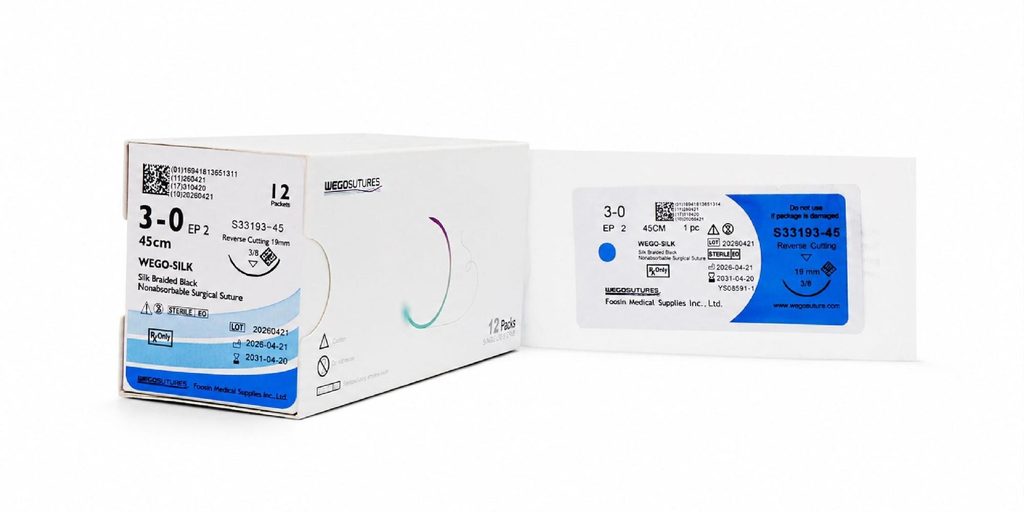
Not every thread suits every wound. The most frequent early mistake is defaulting to a single material across all cases regardless of tissue tension, healing timeline, or expected patient compliance. Non-absorbable silk is familiar and easy to handle, but its multifilament structure wicks fluid and harbors bacteria in a way that pure monofilament simply does not. In sites where infection risk is elevated, such as immunocompromised patients or contaminated wounds, sticking with silk out of habit contributes to complications that a switch to a monofilament option would have prevented.
The reverse mistake also happens. Absorbable materials chosen for convenience sometimes resorb faster than the tissue is ready to sustain load, breaking down while the flap still needs mechanical support. Matching the resorption profile of the surgical suture to the expected healing curve of the specific procedure is a decision worth making case by case rather than defaulting across the board. Plovio and other suppliers publishing detailed handling and resorption data make this matching straightforward when clinicians take a moment to consult the specification sheet.
Technical Errors That Undermine Sound Material Choices
Even the correct material fails if the technique behind it is wrong. Three categories of technical error account for the majority of suture-related complications, and each has clear corrections.
Excessive Tension at the Knot
Pulling flaps together too tightly is one of the most consequential mistakes in oral closure. Post-operative swelling adds significant tension to a wound within the first twenty-four hours, and a suture placed at full tension immediately after closure will strangulate tissue, cause ischemia at the wound edges, and often tear through the flap by the second day. Tissue should be approximated, not compressed. Testing the closure by tugging gently on the flap edge before the final knot lets the surgeon calibrate tension against what the tissue will tolerate as it swells.
Improper Knot Configuration
Surgeon’s knots and square knots are not interchangeable in every situation. Monofilament materials, with their lower coefficient of friction, require additional throws to secure reliably, and skipping those extra throws produces knots that unravel silently over the first few days. Similarly, granny knots slip under tension and should never appear in surgical closure. Standardizing knot technique across the team and auditing outcomes when unusual complications arise catches these habits before they become sources of failure.
Placement Depth and Spacing Errors
Sutures placed too superficially fail to grip enough tissue to hold the closure. Sutures placed too deeply can compress vessels within the flap and compromise blood supply to the wound edge. Spacing that is too tight creates cumulative tension across the incision, while spacing that is too loose leaves gaps where fluid pools and bacteria colonize. Systematic placement, using the anatomy of the specific site rather than a memorized default, gives each stitch a functional job to do.
Sterile Handling and Instrument Discipline
Contamination of the suture during placement is an underappreciated source of post-operative infection. Handling the thread with gloved fingers rather than instruments, letting the material contact non-sterile surfaces during a long case, or reloading a needle after it has passed through infected tissue all introduce risk that no material selection can compensate for. Needle holders, tissue forceps, and scissors should be used with intention, and the thread itself should move through the sterile field only through instruments unless there is a specific reason to grasp it manually.
Reusing needles across multiple bites in dense or infected tissue also degrades cutting performance. A dulled needle traumatizes tissue rather than passing cleanly, creating a wound edge that heals less predictably. Fresh needles for challenging tissues cost pennies compared to the price of an infected closure.
Post-Operative Instructions That Fail the Patient
Even flawless suture technique can be undone in the days that follow if patient communication is unclear. Vague advice like avoid the area or eat carefully leaves patients to interpret their own limits, and interpretation under discomfort skews toward whatever feels most convenient. Specific instructions, ideally written and reviewed verbally before discharge, protect the closure. That means naming the foods to avoid, the rinse timing to observe, the smoking and alcohol restrictions to follow, and the signs of complication that warrant an immediate call rather than waiting for the review appointment.
Timing of suture removal is another frequent mistake at the practice-workflow level. Non-absorbable sutures left in place beyond their intended function become tissue irritants and infection vectors, while premature removal disrupts closure that is not yet self-sustaining. Booking the removal appointment before the patient leaves, rather than trusting them to schedule it, closes this loop reliably.
Documentation and Case Review as Preventive Tools
Individual mistakes are easy to dismiss as one-off events, but patterns reveal themselves only when data accumulates. Practices that document the suture material, technique, and post-operative outcome for each surgical case build a body of evidence that supports better decisions over time. When a specific material or approach correlates with more complications than expected, the pattern becomes visible early enough to change protocol before more patients are affected. This is not bureaucratic overhead; it is the quiet infrastructure that separates practices with consistent outcomes from those that oscillate case by case.
Small Corrections That Protect Every Closure
Suture-related complications rarely come from a single dramatic error. They accumulate from small habits repeated across many cases, each one seemingly minor until the pattern becomes clinical. Matching material to tissue, calibrating tension to anticipated swelling, standardizing knot technique, protecting sterility through instrument discipline, and communicating clearly with patients about the days after surgery all cost little and prevent much. Every clinician has developed their own closure style, and the goal is not to overwrite it but to audit it honestly for the shortcuts that have crept in over years of practice. Precision at the closing stage is the final expression of respect for everything the surgical procedure just accomplished, and it is worth the deliberate attention.
