Introduction
The dawn of 2026 marks a definitive paradigm shift in enterprise technology: we have transitioned from static, predictive AI models to autonomous, goal-driven agentic systems. Operating at machine speed with minimal human oversight, these intelligent agents now execute core workflows, manipulate live code bases, and wield high-level infrastructure privileges.
However, this massive leap in capability has radically redefined the global threat landscape. The core battlefield has fundamentally changed; security teams are no longer simply protecting data from static exfiltration, but defending non-human logic from weaponization. As threat actors deploy highly adaptive AI engines to hunt zero-days and hijack agency logic, traditional perimeters, firewalls, and manual triage protocols have become obsolete. Securing this new era demands an immediate, radical pivot. Organizations must deploy equally sophisticated, real-time defenses designed to govern internal runtime reasoning, manage exploding non-human identities, and neutralize automated threats before they can execute.
New Risks in the Agentic Era
Persistent Memory Poisoning

Attackers inject false instructions into an agent’s long-term storage or RAG pipeline, causing it to quietly adopt malicious habits (like rerouting invoices or altering security policies) over weeks of operation.
This highlights a terrifying shift: cyberattacks are moving from data theft to behavioral manipulation. By quietly corrupting long-term memory, attackers don’t need to break your defenses—they just trick your AI into willingly breaking them for them. It turns our smartest tools into our most dangerous insider threats.
Semantic & Workflow Hijacking
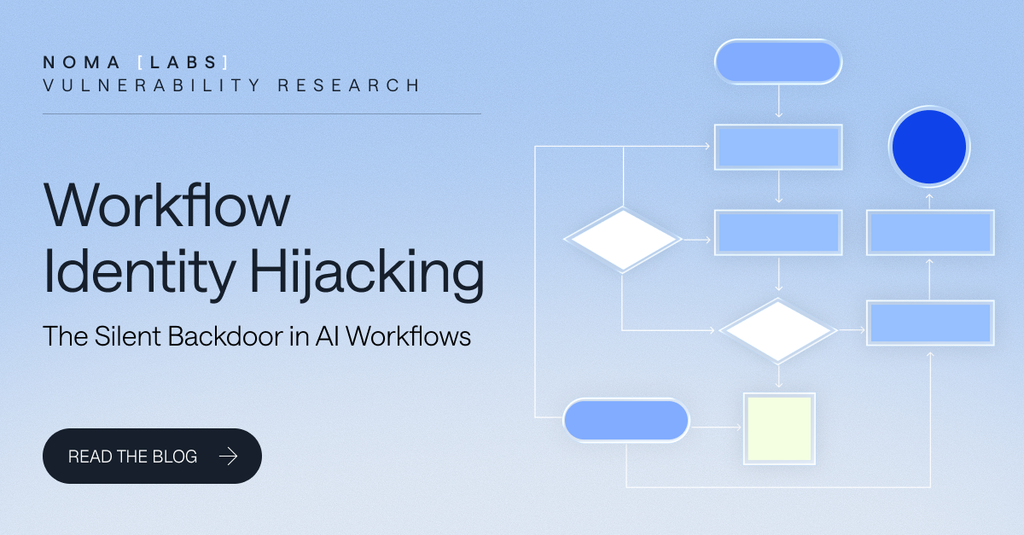
Rather than just crashing a network, malicious inputs via support tickets or APIs trick an agent into abusing its legitimate high-level privileges to dump databases or delete logs.
This is the ultimate exploitation of trust. By weaponizing an agent’s high-level privileges, attackers skip the exploit phase entirely and simply order the AI to harm itself. It forces security to pivot from blocking external access to constantly verifying intent, proving that logic is the new perimeter.
Autonomous Adversarial Loops
Threat actors use frontier models to autonomously discover zero-days, mutate malware in real time to evade signature detection, and orchestrate multi-vector campaigns without human lag.
This marks the end of human-scale response times. When malware can autonomously mutate and hunt for zero-days in real time, traditional security patches become obsolete before they are even written. We are officially entering a machine-versus-machine arms race, where defensive AI is no longer a luxury—it’s the minimum barrier to entry.
Identity Fluidity & Non-Human Sprawl
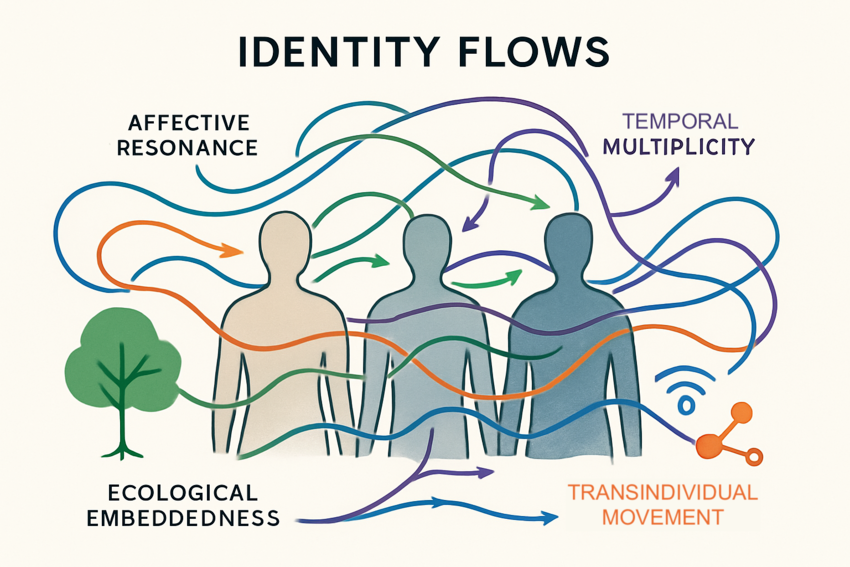
Unmonitored shadow AI tools and sprawling service accounts make credential and token abuse a primary breach vector, easily bypassing security stacks built only for human behavior.
We have outgrown identity architectures built for humans. The explosion of autonomous service accounts and shadow AI creates an invisible, unmonitored attack surface. Traditional security fails because these agents act with legitimate credentials, turning credential abuse into a ghost in the machine. Managing identity now means securing non-human behavior.
New Defenses and Strategies
Runtime Reasoning Governance

Security teams are moving past simple perimeter scans to govern what an agent reasons and decides at runtime, enforcing strict least-privilege constraints on tool access.
We are shifting from inspecting code to governing thought. Classic security checks inputs and outputs, but agentic AI requires monitoring the internal reasoning loop itself. By enforcing runtime guardrails and strict tool limitations, organizations ensure that even if an agent’s logic is subtly manipulated, its actions remain safely contained.
AI-Powered Autonomous SOCs
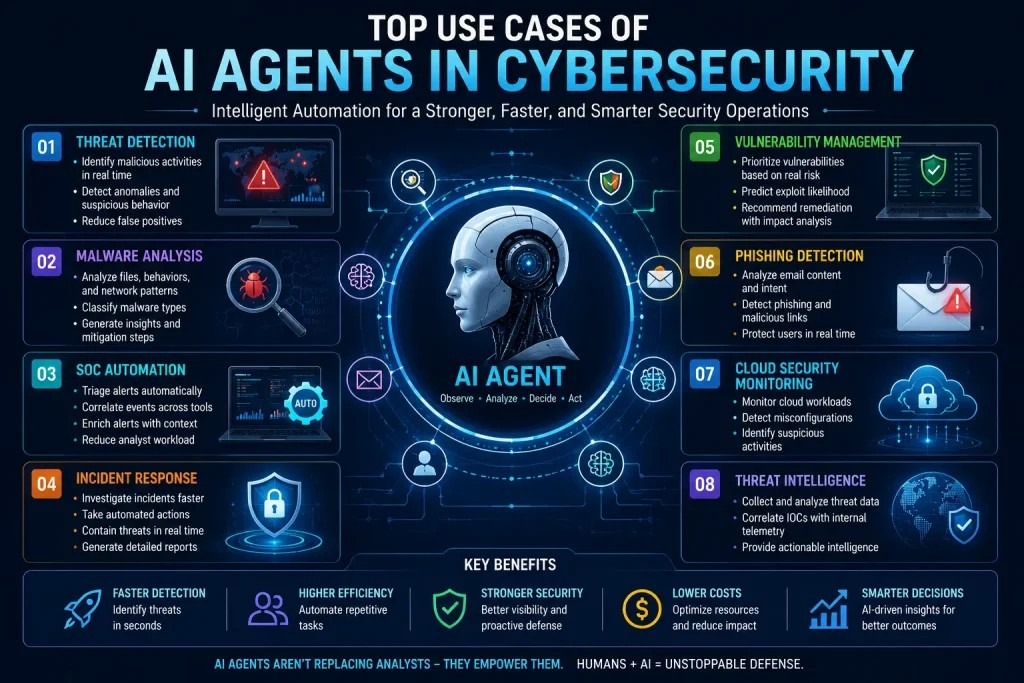
Enterprises are deploying machine-speed defensive agents to detect anomalies, analyze threat telemetry, and suggest or execute remediation playbooks within seconds.
This is the evolution of the autonomous SOC—the only viable answer to machine-speed threats. By shifting from reactive human alerting to instantaneous, agent-driven containment, organizations shrink their blast radius to zero. Human analysts are elevated from manual triage firemen into strategic orchestrators, managing the automated guardrails that keep these defensive agents safe.
Defense-in-Depth Context Stacks
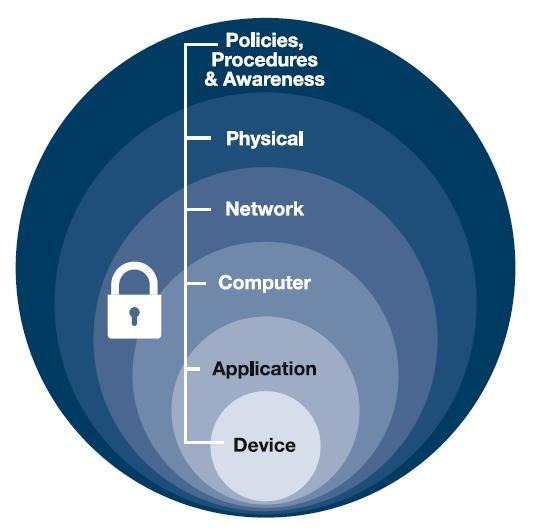
Platforms (such as emerging unified security architectures) ground every agent interaction in near real-time security context rather than forcing agents to rebuild trust signals from raw logs.
This replaces slow, fragmented log analysis with a unified, real-time security consciousness. By feeding continuous trust signals directly into the agent’s prompt and memory stack, the AI can inherently sense malicious context. It stops threats instantly because security is no longer an afterthought—it is woven directly into the agent’s logic.
Operational Guidelines & Guardrails

Organizations are implementing strict instructions alongside technical boundaries, following frameworks like the NCSC Guidelines on Agentic AI Risk to manage context windows and limit unbounded autonomy.
This represents the necessary transition from raw technical controls to algorithmic policy enforcement. By combining strict operational boundaries with frameworks like the NCSC guidelines, organizations can effectively containerize autonomous behavior. It ensures that while agents retain the flexibility to solve complex problems, they can never drift past human-defined ethical and operational thresholds.
Conclusion
The architectural shift toward agentic AI in 2026 has fundamentally rewritten the rules of cybersecurity. We have crossed a critical threshold where security is no longer defined by static defense-in-depth perimeters, but by the dynamic governance of non-human intent. When the primary vulnerability of an enterprise shifts from exploitable code vulnerabilities to manipulated semantic reasoning, traditional security paradigms fail entirely. Threat vectors like persistent memory poisoning and workflow hijacking prove that the future battleground is deeply psychological, targeting the algorithmic decision-making loops of our most trusted autonomous tools.
Faced with autonomous adversarial loops that operate entirely without human lag, organizations can no longer afford to rely on human-scale detection and remediation timelines. The machine-versus-machine arms race is already here. Surviving this landscape requires a parallel evolution in defense—one that elevates enterprise security from post-incident forensics to proactive, real-time runtime logic governance. Deploying AI-powered autonomous SOCs and deep context stacks is no longer a forward-looking strategy; it is the fundamental baseline required to maintain operational integrity.
Ultimately, the successful deployment of AI agents hinges on our ability to maintain strict containment without suffocating the immense business value of autonomy. By grounding technology in architectural boundaries, algorithmic policy enforcement, and robust identity frameworks built specifically for non-human entities, organizations can confidently embrace this revolution. The mandate for security leaders in 2026 is clear: we must build a system of continuous, real-time trust verification where security context is woven directly into the cognitive DNA of every agent. Only then can we transform these high-risk insider threats back into our most powerful operational assets.