

Selling a house is usually easier when the property is clean, updated, and ready for someone to move in. But many homeowners find themselves with a very different situation. The house may have been neglected for years, inherited unexpectedly, left vacant, or simply reached a point where several repairs are needed at the same time.
When that happens, homeowners often face a difficult question: should they spend money fixing the property before selling it, or is it better to sell it in its current condition?
There is no single answer. The right decision depends on the property’s condition, the local market, the owner’s financial situation, and how much time they are willing to invest in preparing the house.
Start With a Realistic Assessment
Before making any decisions, take an honest look at the property.
It can be tempting to focus on everything that looks wrong, especially when a house has not been maintained properly. However, not every defect has the same financial importance.
A property may have outdated paint, old flooring, worn cabinets, or an overgrown yard. These issues can affect presentation, but they may not require major investment.
Other problems deserve more attention. Roof damage, plumbing leaks, electrical problems, foundation concerns, water damage, or an aging heating and cooling system can affect the property’s value and the buyer’s willingness to move forward.
Creating a basic list of repairs can help separate cosmetic improvements from more serious problems. A professional inspection or contractor’s assessment may also be worthwhile when the condition of the property is unclear.
Calculate the Cost Before Starting Repairs
One of the most common mistakes homeowners make is beginning renovation work without knowing what the complete project will cost.
A repair that initially appears simple can quickly become more expensive once work begins. Replacing a bathroom, for example, may reveal damaged plumbing or water-related issues behind the walls.
The same can happen with flooring, roofing, electrical work, and other major projects.
Before spending a substantial amount of money, compare the estimated repair cost with the likely increase in the home’s selling price.
Consider a property that needs $40,000 in improvements. If those improvements are expected to increase the home’s market value by only $25,000, completing the entire renovation may not make financial sense.
This does not mean repairs are always a bad idea. It means they should be approached as an investment rather than an automatic requirement.
Consider the Cost of Holding the Property
Repair expenses are only one part of the calculation.
The longer a homeowner keeps the property, the more ongoing expenses can accumulate. These may include mortgage payments, property taxes, insurance, utilities, maintenance, landscaping, and security.
For a vacant house, the costs can become particularly frustrating because the owner may not be receiving any practical benefit from the property.
A six-month renovation project therefore costs more than the contractor’s invoice. The homeowner also needs to consider what it will cost to own the property during those six months.
This is why the fastest-looking option is not always the cheapest, and the highest potential sale price is not always the most profitable outcome.
Selling the Property in Its Current Condition
Some homeowners decide that completing extensive repairs simply is not worth the time or expense.
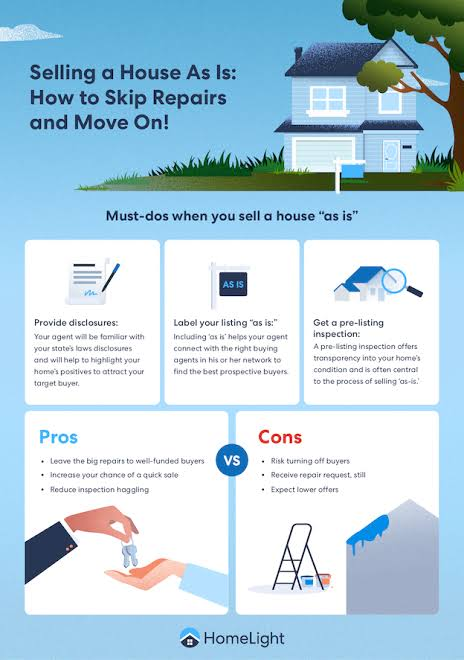
An as-is sale can be a practical alternative when the property requires significant work. Instead of investing heavily in renovations, the seller presents the property based on its existing condition and allows buyers to determine whether they are willing to take on the improvements.
This approach can be particularly relevant for inherited homes, older properties, vacant houses, or homes with substantial deferred maintenance.
Homeowners researching Cash Home Buyers may also come across buyers who specifically consider properties that need repairs.
However, sellers should still do their due diligence. They should understand the proposed terms, verify who they are dealing with, and compare the overall transaction rather than accepting the first offer simply because the process appears convenient.
What Makes an Offer Worth Considering?
The amount offered for a property is obviously important, but it should not be the only factor.
Suppose one buyer offers a higher amount but expects the seller to complete several repairs before closing. Another buyer offers somewhat less but is prepared to purchase the property in its current condition.
The second option could potentially result in a similar net outcome after repair costs are considered.
Other factors worth reviewing include:
- Closing timeline
- Inspection requirements
- Financing or proof of funds
- Contingencies
- Repair requests
- Closing-related expenses
- Whether the buyer can realistically complete the transaction
Homeowners can also compare offers from reliable cash buyers with the expected outcome of listing the property traditionally.
The objective is not to assume one selling method is always superior. It is to determine which option fits the property’s condition and the seller’s circumstances.
Don’t Overlook Simple Improvements
Selling as-is does not necessarily mean doing nothing.
There is a difference between avoiding a major renovation and completely neglecting the property.
Simple improvements can make a house easier to evaluate without requiring a large investment. Cleaning the property, removing excessive clutter, maintaining the yard, improving basic lighting, and addressing inexpensive maintenance problems can improve the overall presentation.
These steps may also make it easier for potential buyers to see the property’s positive features.
For example, an older house may still have a good floor plan, a desirable lot, spacious rooms, or a convenient location. Removing unnecessary clutter and presenting those features clearly can help buyers evaluate the property based on more than its cosmetic shortcomings.
Be Transparent About Major Problems
Honesty is particularly important when selling a house that needs significant work.
If the seller knows about major issues, they should understand their disclosure responsibilities and provide the information required under applicable laws.
Trying to hide a serious problem can create complications during negotiations or after the transaction.
Transparency also helps attract buyers who are genuinely comfortable with the property’s condition. Someone looking specifically for a renovation project may be much more receptive to an older roof or outdated interior than a buyer expecting a move-in-ready home.
The goal is to find the right buyer rather than make the property appear to be something it is not.
Look at the Bigger Financial Picture
A homeowner deciding how to sell should avoid focusing on just one number.
Instead, compare the likely net result of each strategy.
For a traditional sale, calculate the expected sale price and subtract commissions, preparation costs, repairs, closing expenses, and the cost of holding the property during the marketing period.
For an as-is sale, consider the offered price alongside the money saved by avoiding major renovations and potentially reducing the amount of time the property remains under the seller’s responsibility.
Once these figures are compared, the decision may become much clearer.
The Best Sale Strategy Depends on the Property
A house that needs work is not necessarily a bad investment, and selling it as-is is not necessarily the right answer.
Some properties have enough potential to justify renovation. Others have repair costs that make a traditional preparation process difficult to justify. In some situations, the owner’s personal timeline is more important than maximizing the theoretical sale price.
The key is to evaluate the property objectively.
Understand its condition, estimate the actual costs, research its realistic market value, and compare different selling approaches before committing to one.
A thoughtful decision can prevent homeowners from spending thousands of dollars on improvements that do not provide a corresponding benefit while also helping them avoid accepting an offer without understanding its full financial impact.
