

Your MRI report says “degenerative disc disease,” and it sounds scary. Is it getting worse? Will you need surgery? Can you keep working?
The good news is that the name sounds worse than it usually is. Here’s what it means and what treatment options Phoenix patients have.
What Is Degenerative Disc Disease?
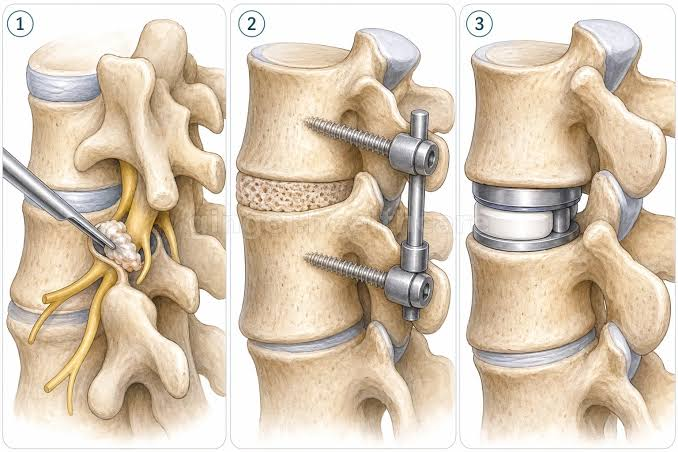
Your spine has soft, cushion-like discs between the bones. Over time, these discs can lose water, thin out, and develop small tears in their outer layer. That’s degenerative disc disease (DDD).
Despite the name, it isn’t really a “disease” that spreads. It’s a common change that happens with age, repetitive strain, or injury. Many people have disc changes on an MRI and feel no pain at all. Others have significant pain, especially when a torn disc irritates nearby nerves.
Common contributors include:
- Age
- Long hours of sitting
- Heavy lifting or repetitive bending
- Past injuries
- Smoking and excess body weight
Common Symptoms and Warning Signs
- Low back or neck pain that flares up and then settles
- Pain that’s worse when sitting, bending, or lifting
- Relief when walking or changing positions
- Pain spreading into the buttocks, legs, shoulders, or arms
- Numbness or tingling in the limbs
Get urgent care if you notice sudden leg weakness, numbness in the groin area, or loss of bladder or bowel control. These can signal a serious nerve problem.
Treatment Options for Degenerative Disc Disease in Phoenix
Most people start with the simplest options and only move up if needed.
| Level | Treatment | What It Does |
|---|---|---|
| 1. Conservative | Physical therapy, core strengthening, posture and ergonomic changes | Takes pressure off the discs and builds support |
| 2. Medication | Anti-inflammatories and short-term pain relief | Eases flare-ups |
| 3. Injections | Image-guided epidural or facet injections | Calms inflamed nerves and joints |
| 4. Disc-focused procedures | Minimally invasive options like the Discseel® Procedure, which uses a fibrin sealant to treat torn discs | Aims to address the damaged disc itself |
| 5. Surgery | Fusion or disc replacement | Reserved for severe or unresponsive cases |
Newer disc procedures are still being studied, so ask your doctor whether you’re a good candidate and what results to expect.
Living and Working With DDD
Small daily changes can make a big difference, especially if you work at a desk:
- Stand up every 30 to 45 minutes. Discs don’t like long periods of sitting.
- Set up your desk properly. Put your screen at eye level and keep your lower back supported.
- Keep moving. Walking and swimming are usually easy on the spine.
- Lift smart. Bend your knees and keep loads close to your body.
- Stay hydrated. Especially in the Arizona heat.
If pain keeps coming back, a spine-focused evaluation is the next step. Clinics like Dynasty Health in the Phoenix area specialize in degenerative disc disease Phoenix patients want to treat without jumping straight to surgery.
Final Takeaways
- DDD is common and often manageable.
- An MRI finding alone doesn’t mean you need surgery.
- Start with conservative care, and step up only as needed.
- Newer disc procedures may be an option, so ask whether you qualify.
If you’re dealing with degenerative disc disease in Phoenix and want a clear plan, book a consultation with Dynasty Health to explore your options.
This article is for general information only and isn’t medical advice. Talk to a qualified doctor about your specific condition.
