

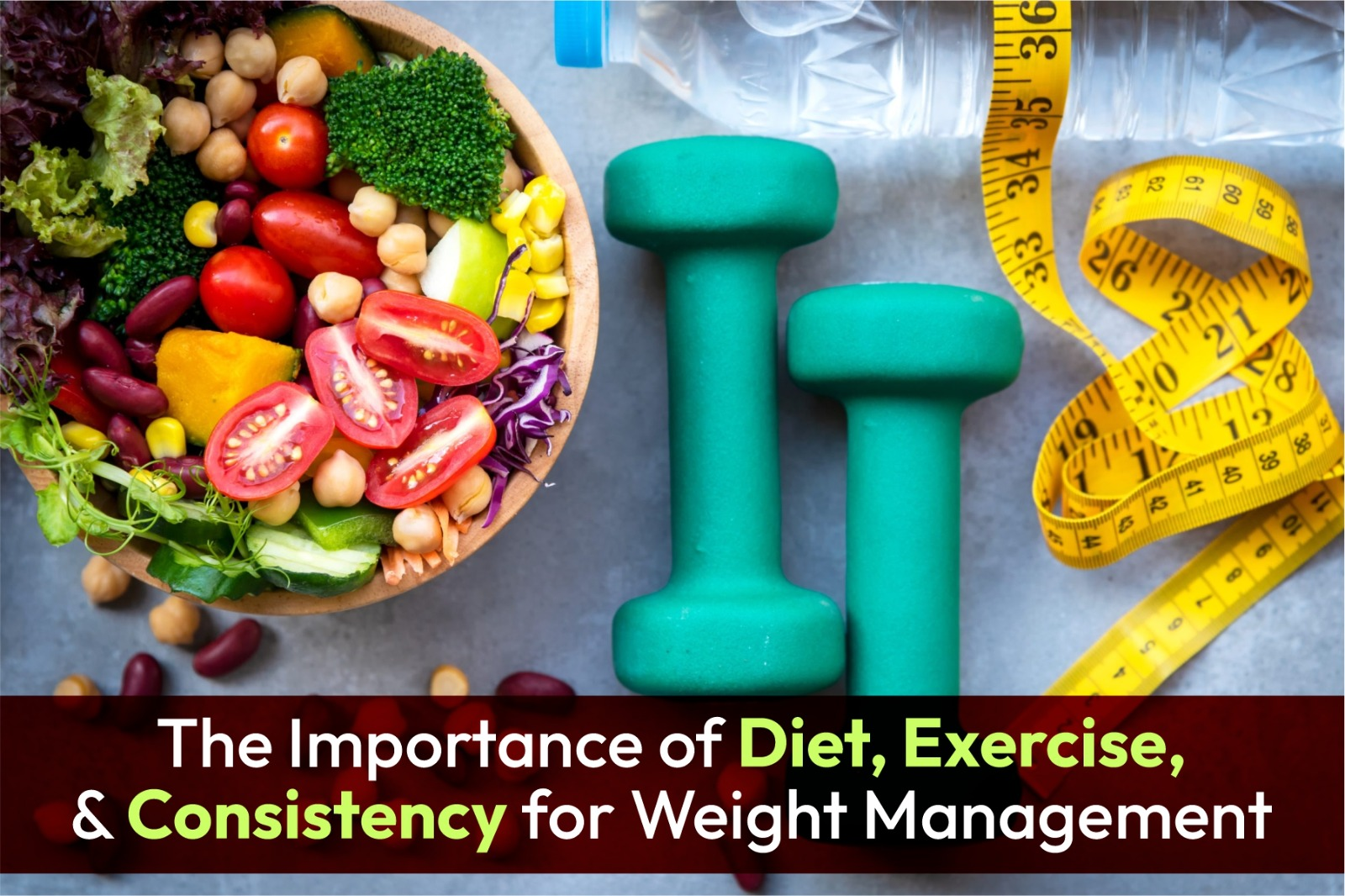
Weight management happens to be a topic that indeed touches almost everyone’s life at some point. Whether you are seeking to shed a few extra pounds, maintain your present weight, or simply want to feel healthier in your own skin, journey can be both rewarding as well as challenging. Truth is, healthy weight management is not about quick fixes or those extreme measures. It is about building sustainable habits which support your body and mind in the long term.
The fact is that there are many people who start their respective weight loss journey with enthusiasm but soon lose momentum. This often happens due to the fact that they focus on just one aspect of health while ignoring the others. The reality is that lasting results come from a blend of diet and exercise for weight management. Together, they go on to form the base of a weight loss and healthy lifestyle which you can maintain for years to come.
The Role of Diet in Weight Management
As for losing weight, what you eat makes all the difference. A balanced diet for weight loss is not at all deprivation but nourishment. It involves selecting those foods which go on to fuel your body while at the same time keeping you satisfied, energized. This includes mix of whole grains, healthy fats as well as plenty of fruits and vegetables.
Balanced nutrition for weight loss makes sure that your body receives all the major vitamins and minerals it needs to function optimally. Without proper nutrition, you may feel tired, irritable, and also more likely to give up on your goals. The idea is to stress on quality over quantity. Eating nutrient-dense foods helps you feel much fuller for longer, reducing temptation to overeat.
Understanding Calorie Deficit and Its Importance
One of the basic principles when it comes to weight loss is creating calorie deficit diet. This means consuming lesser calories as compared to what your body burns. However, it is important to approach this kind of a path wisely. Drastic reduction in calories can backfire, leading to muscle loss and slower metabolism. The idea is to create moderate deficit enabling steady, sustainable progress.
Healthy weight management is not about starving and making those smarter choices. Replacing processed foods with whole foods can in a way naturally reduce calorie intake without making you feel deprived. Small changes like swapping sugary drinks for water can make a difference.
The Importance of Protein and Fiber
Protein-rich foods for weight loss are necessary for preserving muscle mass and keeping you full. Including sources like beans, and tofu in your meals can make a significant difference. Protein also has higher thermic effect, which means your body burns more calories digesting it as compared to fats or carbohydrates.
High-fiber foods are another important component of weight loss diet. Fiber adds bulk to meals, helping you feel full without adding those extra calories. It also supports digestive health as it helps in regulating the blood sugar levels. Foods like vegetables, fruits, whole grains, and legumes are excellent sources of fiber.
The Role of Exercise in Weight Management
While diet is critical, exercise for weight management is equally significant. Physical activity helps you burn calories, build muscle, and at the same time improve your overall health. The best exercises for weight management are those that you enjoy and can stick with over time. Consistency is more important than intensity.
Cardio for weight loss is a popular choice because it helps to burn calories and improves cardiovascular health. Activities like walking, running, cycling as well as swimming are great options. However, strength training for weight loss is equally valuable. Building muscle increases your resting metabolic rate, meaning you burn more calories even when you are not exercising.
Combining Cardio and Strength Training
A well-rounded fitness routine is both cardio and strength training. Cardio helps you burn calories during workout, while strength training builds muscle which keeps your metabolism active throughout the day. Together, they go ahead and create a powerful combination for healthy weight management.
Diet and exercise for weight management work best when they happen to complement each other. Your diet provides fuel your body needs to perform, and exercise helps you maintain that healthy weight and reduce stress. Finding balance that works for you is key to long-term success.
The Power of Consistency
The most important factor in any sort of a weight management journey is consistency. It is not about being perfect every day. It is about showing up for yourself, even when the motivation is low. Small, consistent efforts compound with time and lead to certain lasting changes.
Weight loss and healthy lifestyle are built on the habits that become second nature. This includes planning your meals, staying active, and at the same time getting enough sleep. When you prioritize health consistently, the results follow naturally.
Overcoming Common Challenges
Every weight management journey is a set of challenges. Cravings, busy schedules can derail the efforts you put-in. The idea is to stay flexible and adapt. If you hit a plateau, try altering calorie intake or workout routine.
Cravings are often a sign of nutrient deficiencies or even emotional triggers. Addressing such kind of underlying issues can help you stay on the track. Remember – progress is not always linear. There will be ups and downs, but each step forward is a step in the right direction.
The Role of Support and Self-Care
Having a support system can make massive difference. Whether it is a friend, family member, or online community, sharing your journey with others can keep you motivated. Additionally, practicing self-care also makes sense. Stress and lack of sleep can interfere with weight management efforts, so make time for relaxation and take lots of rest.
Balanced nutrition for weight loss is not about what you eat but about how you care for your overall well-being. Taking care of mental health is just as important as taking care of physical health.
The Truth About Quick Fixes
The market happens to be flooded with products that promise quick and easy weight loss. While some may go on to offer temporary results, they are mostly not sustainable. Premium fat loss oil products support your efforts.
True healthy weight management comes from making certain impactful and lasting lifestyle changes which means focusing on whole foods, staying active, and also prioritizing your health above all else. There is no magic solution, but with dedication and patience, you can achieve your goals.
Conclusion
Weight management is a form of a journey. It is not a destination and requires combination of diet and exercise for weight management, consistency along with positive mindset. By focusing on balanced nutrition for weight loss and taking into account the best exercises for weight management, you can create a lifestyle which goes on to support your health and well-being.
Healthy weight management is about more than just those number on the scale. It is about feeling strong, energized, confident within your body. Whether you are just initiating your journey or looking to maintain growth, remember – every step matters. Stay consistent and be kind to yourself. Also, celebrate small victories that come your way as your top-notch health is indeed worth the effort.
AI CHECKER REPORT
PLAGIARISM CHECKER REPORT
===========================================================================
