

Walk through any progressive fabrication shop today and you will notice something the veteran welder from a decade ago would find strange. The MIG guns still hang on the wall, but the operator picks up a slim, lightweight torch tethered to a fiber source and lays down a mirror-clean seam without a spark shower or a pool of splatter. The technology has moved from research labs and automotive lines into everyday shops, and the shift is not slowing down. Kitchens, elevators, HVAC ducts, decorative railings, custom trailers, and even art installations increasingly rely on this approach.
Understanding what is driving the trend matters for anyone planning capital purchases or trying to compete on lead time and finish quality. This overview looks at the industry forces behind the rapid adoption, the productivity math that keeps convincing owners to invest, and where the technology is headed over the next few years. If your shop is still evaluating whether to make the move, the trajectory of the market is worth studying before the decision.
The Shift From Traditional Arc to Fiber-Based Fusion
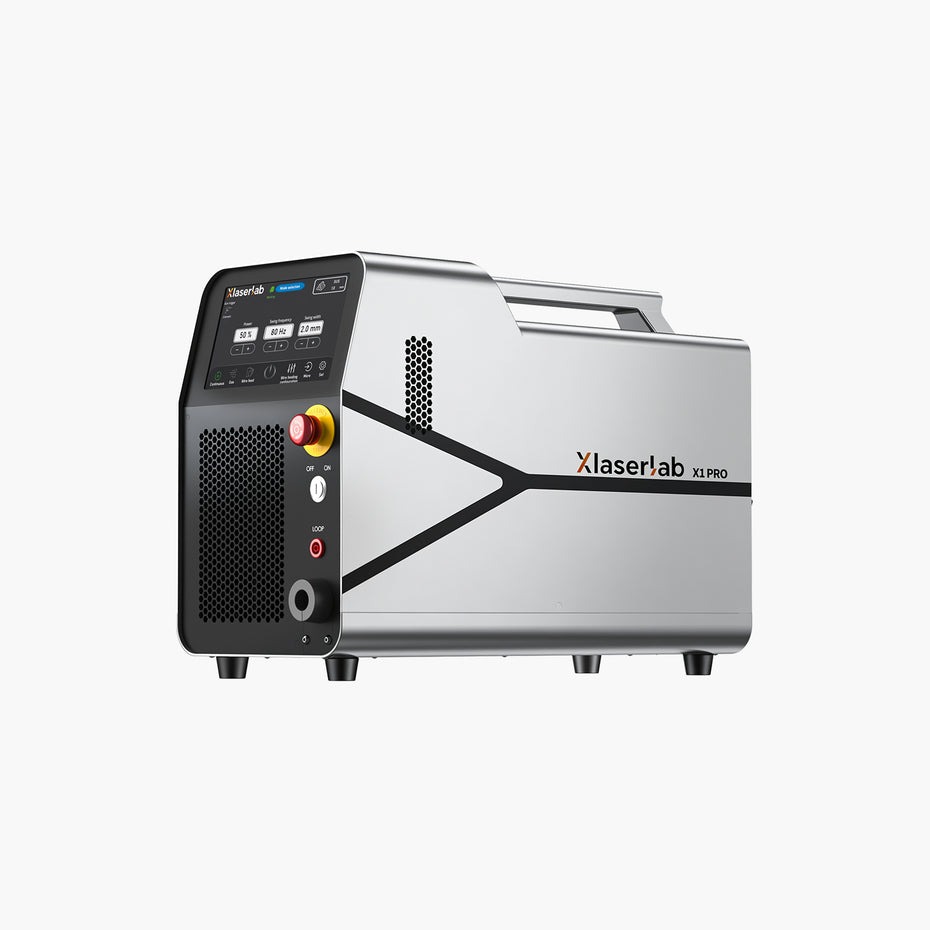
For decades, MIG and TIG defined what welding looked like in a working shop. Both processes remain relevant and always will for certain applications. What has changed is the accessibility of fiber-source technology. Ten years ago, a fiber welding system meant a fixed installation, a robotic arm, and a six-figure price tag. Today, a compact air-cooled handheld unit sits in shops of every size, produces beads that pass structural inspection, and costs less than many full TIG setups did a generation ago.
The economics behind the switch are straightforward. A skilled operator using handheld laser welding equipment can typically finish a project three to four times faster than the same operator working with TIG, and the finished part often needs no grinding or polishing before shipment. That single productivity multiplier explains why so many custom fabricators, food equipment builders, and specialty automotive shops are converting entire production lines.
Labor Market Pressure
Skilled TIG welders have become increasingly hard to hire. Training a new welder to produce clean stainless beads consistently takes years, and the pool of experienced operators shrinks each year. The new technology compresses that curve. Shops report that a promising apprentice can be producing production-quality seams within weeks rather than years. That does not eliminate the value of experience, but it does relieve the bottleneck of relying entirely on senior staff.
Rising Expectations for Finish Quality
End customers are more demanding than they were a generation ago. Restaurants want stainless kitchens with invisible seams. Architectural clients want handrails that look brushed rather than welded. Medical device buyers want joints that meet cleanroom criteria. Traditional processes can achieve these results, but only with significant grinding, polishing, and rework hours. Fiber-based welding often reaches the same finish straight off the torch.
Industry Sectors Leading the Adoption
The pattern of adoption is not uniform. Some sectors have jumped in fully, others are still evaluating, and a few remain skeptical for legitimate reasons.
Food Service and Sanitary Equipment
Manufacturers of commercial kitchens, dairy tanks, and pharmaceutical processing equipment were among the earliest adopters. The reasons are practical: cleaner seams reduce bacterial growth points, faster production improves lead times, and consistent bead geometry passes third-party audits with less rework. Shops in this space that resisted the transition often lost bids to competitors who could quote shorter lead times.
Automotive Restoration and Custom Fabrication
Restoring vintage cars, building custom trailers, and fabricating one-off chassis all involve thin sheet metal in awkward positions. Fiber-based welding excels on thin gauges without burn-through, which is precisely the challenge in this sector. Body panel repairs and floor pan replacements that used to require patient braze work now go faster with less heat distortion.
Architectural Metal and Interior Design
High-end architectural work depends on visible seams looking clean. Railings, staircases, decorative panels, and signage installations often become invisible-seam applications when done with modern equipment. Designers now specify these finishes in bid documents, which forces fabricators to either invest or lose the work.
HVAC and Sheet Metal
Ductwork and enclosure fabrication benefit from the process because thin galvanized and stainless sheets bond quickly without warping. Production shops that transitioned early report substantial gains in daily output and a corresponding drop in the polishing labor budget.
What the Next Few Years Will Bring
The technology continues to evolve, and several trends are worth tracking as buying decisions get made in the coming quarters.
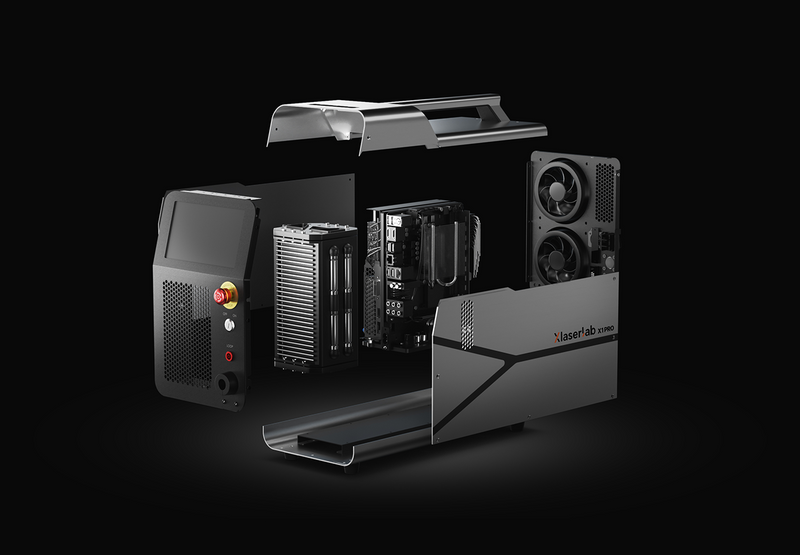
Power sources are shrinking. Units that required 380V three-phase power a few years ago now run on single-phase in air-cooled packages, opening up the technology to shops that previously could not accommodate the electrical requirements. Fiber source lifetimes are climbing, with modern units rated for tens of thousands of operating hours before service. Software integration is improving as well; parameter recall by material and joint type is becoming standard, which reduces the operator dependency and helps train new hires faster.
Combination Systems
Machines that combine welding, cleaning, and cutting on the same platform are appearing in the market. A single fiber source, switched between different heads, handles preparation, joining, and post-weld cleanup. Xlaserlab and other established makers have moved in this direction, and the value proposition of one platform for three processes is strong for smaller shops without floor space for multiple dedicated systems.
Regulatory and Insurance Considerations
As adoption grows, safety standards and insurance recommendations continue to mature. Operators need certified eyewear, and shops need designated work zones with proper signage. Insurance underwriters are increasingly familiar with the technology, and premiums have stabilized as the accident record demonstrates that a properly set up shop is not more hazardous than a traditional welding bay.
Where Traditional Processes Still Win
An honest overview would be incomplete without noting where the older methods retain their advantages. Very thick structural steel, heavy pipe welding under code, and outdoor work in windy conditions still favor stick and MIG processes. Certain code welds require specific procedures that only traditional processes are qualified for. The fiber-based approach is not a universal replacement; it is a specialist that dominates a growing but bounded portion of the total welding market.
The Direction the Industry Is Moving
The trajectory is clear across every fabrication segment that values speed, finish quality, and thin-gauge capability. Shops that adopted early are winning bids on lead time and delivering finishes that were previously reserved for premium suppliers. Those still evaluating should look carefully at their material mix, customer expectations, and labor situation. If thin stainless, aluminum, and mixed sheet work dominate the order book, the case for investment is strong and the payback period is often measured in months rather than years. The technology is no longer new; it is becoming the default for a growing share of professional metal joining work.
